Insight · Cultural brief
Cultural briefing for Egypt programmes
This briefing equips tour operators and travel agents with operational guidance to design culturally informed Egypt programmes. It focuses on site access, seasonality, community engagement and local supplier selection.
Class A · Ministry of Tourism
#718
#90255546
Cairo · Luxor · Aswan · Red Sea · Alexandria
1988
For trade partners planning Egypt itineraries, cultural content must be precise, defensible and deliverable. This briefing prioritises operational considerations—which sites to include, when to schedule them, how to source accredited guides and how to structure experiences that respect local communities and regulatory frameworks.
What cultural experiences should I include in a sellable Egypt programme?
Balance archeological highlights with living-culture encounters. Core elements for most programmes are: the Giza Plateau and the Sphinx; Luxor’s Karnak and Luxor temples and the Valley of the Kings; Aswan’s Philae and the Unfinished Obelisk; and urban cultural nodes in Cairo—Tahrir (Egyptian Museum collections), Islamic and Coptic Cairo, and the National Museum of Egyptian Civilization in Fustat. For coastal or regional extensions, consider Alexandria’s Bibliotheca Alexandrina and Greco-Roman sites, Siwa Oasis for Amazigh culture, and Nubian villages around Aswan.
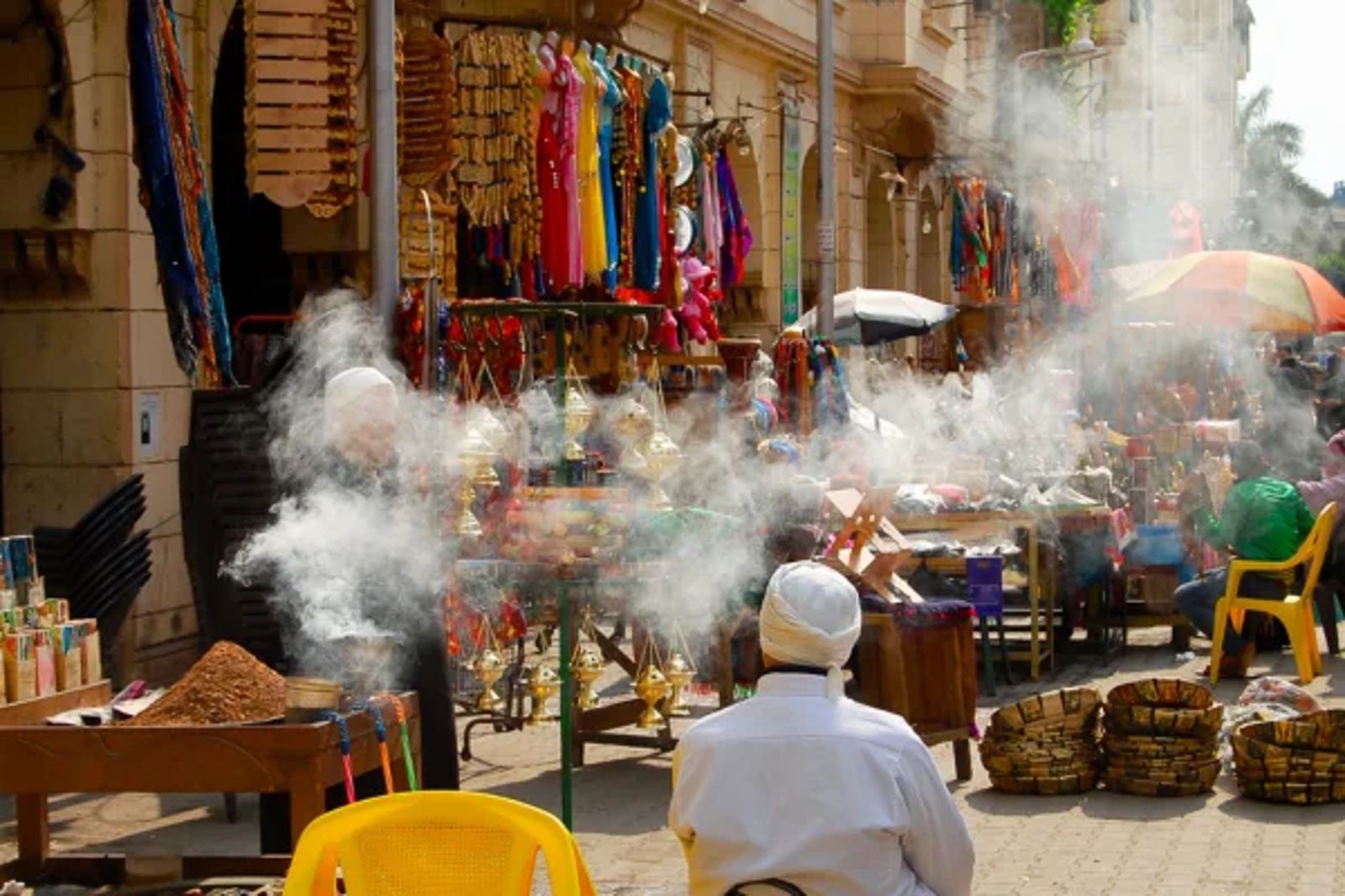
Deliverable, bookable experiences that trade buyers can sell to clients include private Egyptologist-led site visits with timed-entry planning, curated market walks with a translator/guide, artisan workshops (carpet weaving, brass work, papyrus making) and staged cultural performances where responsibly managed. For multi-day programmes, integrate a Nile cruise operations segment to link monument days with onboard interpretation and village visits. For standard land packages, see sample frameworks in our classic tour product guides.
How should seasonality and logistics determine scheduling of cultural visits?
Seasonal planning affects comfort, access and costs. Peak season runs from October through April: favourable temperatures, higher flight and accommodation rates, and fuller sites. Summer months (June–August) bring extreme inland heat; reserve early-morning or late-afternoon slots for open-air temples and arrange air-conditioned transfers. The Red Sea remains swim-friendly year-round, and can be paired as post- or pre-extension for clients seeking cooler on-water time.
Operational notes: many major temples open at first light—schedule key archaeological visits between 06:00–09:30 to avoid crowds and heat. Domestic logistics (Cairo–Luxor–Aswan) normally use short-haul flights or daytime/overnight sleeper trains; both require careful timing for check-in and luggage handling. For single-day excursions and bespoke activities, coordinate with our ground teams via the excursions desk to confirm vehicle availability, local permits and drive times, particularly in Upper Egypt where transfer distances are long and road conditions vary.
How do I source guides and suppliers that meet quality and compliance requirements?
Use licensed Egyptologists for archaeological sites and accredited urban guides for museums and neighbourhood circuits. Verify guide licences and professional affiliations before contracting, and request CVs or past-tour references for high-profile clients. For specialist subjects—Coptic architecture, Islamic art, conservation—use recognised museum educators or university-affiliated lecturers.
Sourcing: prefer suppliers with audited health & safety procedures, valid business licences and robust cancellation policies. Ask local partners for proof of insurance and vehicle licensing (commercial permits and seatbelts are compulsory on hired buses). For community-based offerings—Nubian home visits, Siwa cultural exchanges, or Bedouin-led desert treks—confirm benefit-sharing arrangements, agreed pricing models and client capacity limits to avoid over-tourism impacts.
What contract and on-the-ground checks should I include?
- Confirm site opening hours and planned closures (government holidays, conservation works, film shoots).
- Check permissions for photography or commercial filming at archaeological sites and museums.
- Verify mosque access rules and separate male/female arrangements where applicable; provide modest dress guidance to clients in pre-departure notes.
- Assess accessibility: wheelchair access is limited at many ancient sites—provide accurate accessibility information in product copy.
- Plan for prayer times and Friday schedules—some services and smaller vendors may be reduced or closed.
How can I design culturally responsible experiences that benefit local communities?
Prioritise small-scale suppliers and community-run initiatives with transparent distribution of revenues. Examples: contract a registered cooperative in Luxor for craft demonstrations; work with registered Bedouin camps that employ local guides and adhere to waste management plans in the Western Desert; use licensed Nubian boatmen and village hosts in Aswan who participate in pricing decisions. Include minimum standards in supplier agreements for waste, cultural sensitivity briefings and limits on photography for private households and religious ceremonies.
Pre-departure materials for your clients should include a concise set of etiquette notes—respect for prayer and fasting during Ramadan, appropriate behaviour in religious sites, and advice on bargaining in marketplaces to avoid encouraging exploitative practices. These practical details reduce friction on the ground and improve guest satisfaction.
Finally, build contingency time and allowances into programmes: traffic in Greater Cairo, late domestic flights, or unexpected site queues can disrupt tight schedules. Use staged buffers around monument days and confirm same-day backup options such as museum visits or curated urban walks.
For operational templates and sample itineraries that integrate these cultural elements, contact our product team or request partner-ready itineraries and supplier lists.
Request net rates or contact us for a tailored briefing and operational quote for your next Egypt programme.