
Egyptian Museum, Cairo: trade briefing for tour operators
Practical trade guidance on the Egyptian Museum in downtown Cairo, focused on collections, operational constraints, and product opportunities for your clients. Use this briefing to plan timed entries, secure logistics and premium experiences.
- Licence
- ETAA licence 718 · Category A
- IATA
- #90255546
- Operating
- Cairo · Luxor · Aswan · Red Sea · Alexandria
- Est.
- 1988
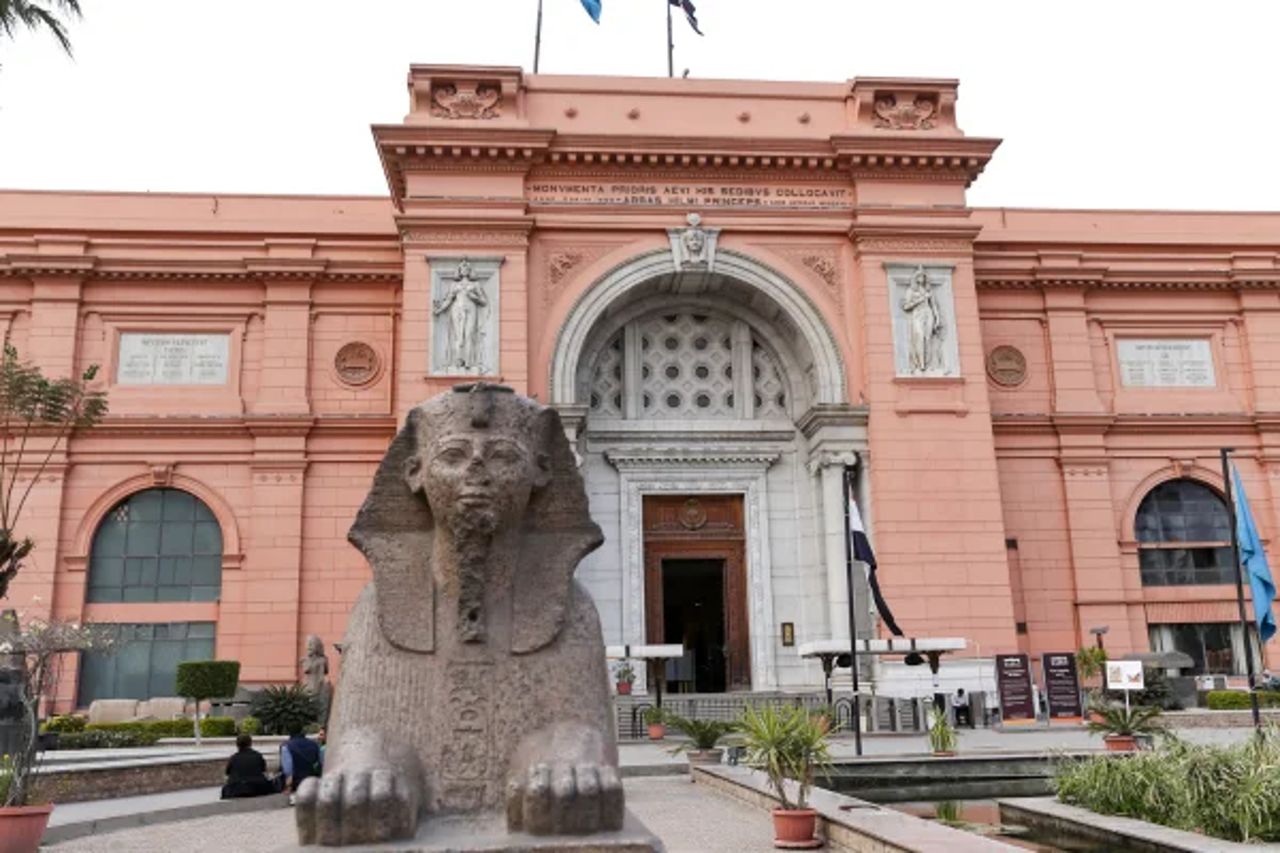
The Egyptian Museum on Tahrir Square remains an operationally important stop for many Cairo programmes despite large-scale redistributions of key collections to the Grand Egyptian Museum (GEM) and the National Museum of Egyptian Civilization (NMEC). For trade partners planning half-day city circuits, pre- or post-cruise extensions, or specialist archaeology groups, the operational details below will reduce risk and improve client experience.
What are the current collection realities and what should I confirm before selling?
Several headline objects—some Tutankhamun pieces and large exhibit groupings—have been transferred to the Grand Egyptian Museum at Giza and the NMEC in Fustat. The Tahrir museum still holds substantial artefacts, documentary archives and temporary exhibitions. Before confirming a departure, verify which galleries are on display and whether specific items your clients expect (for example named objects or the Royal Mummies) are accessible at Tahrir or have been relocated. Your local DMC can obtain up‑to‑date curator notes and display lists on request.
How should I schedule visits and manage visitor logistics?
Timings, group size and transport are the primary operational levers:
- Timing: Morning slots immediately at opening minimise queues and allow comfortable flows for clients continuing to other city sights. Late afternoon slots can work for evening transfers, but staff availability and temporary closures increase after hours.
- Group size & circulation: The museum layout and security screening create pinch points. Keep guided groups to manageable sizes (max 12–15) and allow 60–90 minutes for a curated visit; longer for specialist groups.
- Transport & drop-off: Vehicle access and coach parking around Tahrir are restricted; plan a short transfer walk from a secure drop-off point. We typically coordinate vehicles through our transfer operations to avoid delays and parking fines.
- Security & screening: Expect bag checks, metal detectors and occasional closures for official events. Recommend clients travel light.
- Photography & filming: Handheld photography is usually permitted but flash, tripods and professional filming frequently require advance permission and additional fees.
What permit, guide and access considerations affect pricing?
Licensed Egyptologists and official guides are required for interpretive tours; they enhance value and are often expected by individual and specialist clients. Private after‑hours access, exclusive gallery viewings or film permits are possible but need substantial lead time and formal applications to the Ministry. These add costs (security, curator oversight, insurance) and should be priced as optional supplements. Your DMC can source approved guides and submit access requests on your behalf to ensure compliance and speed.
What product variations and upsell opportunities should I offer?
Design itineraries around client profiles rather than attempting to show the entire museum. Practical product options:
- Curated highlights (60–90 minutes): A focused route covering named objects, craftsmanship themes, or a Tutankhamun overview where relevant.
- Deep‑dive archaeology sessions (2+ hours): For specialist groups, include pre‑visit briefing packs and post‑visit Q&A with a local Egyptologist.
- Private viewings and VIP routing: Priority entry, private rooms and escorted security can be arranged for high‑net‑worth travellers and incentive groups with advance notice.
- Combined city packages: The museum pairs efficiently with nearby Islamic and Coptic Cairo or as the Cairo portion of a longer itinerary that continues to Giza and Nile operations; coordinate with our classic Cairo tours and Nile cruise operations.
How do I address accessibility, comfort and client expectations?
Facilities at the Tahrir museum are functional rather than luxury. Advise clients about limited seating in galleries, variable air‑conditioning in older wings and basic café/toilet availability. For clients requiring step‑free access or medical assistance, confirm route availability in advance; some areas have steps and narrow circulation. For premium travellers, consider arranging private transfers, a shorter curated route and a quiet viewing window rather than a full self‑guided exploration.
How can I mitigate risks and keep operations smooth on the day?
- Pre-confirm group bookings and timed tickets with your DMC at least 72 hours ahead.
- Issue clear client briefs covering dress code, security screening and photography policy.
- Plan contingency time for traffic and security checks—Cairo delays are common.
- Have printed and digital ID/documents for group leader and guide available at entry.
For MICE or incentive planners seeking private access, dedicated receptions or curator‑led sessions, our MICE operations can develop compliant proposals and manage permissions.
Integrating the Egyptian Museum into your Cairo product requires up‑to‑date information, disciplined logistics and optional premium services for higher‑yield travellers. Our local teams maintain operational checklists and supplier contacts to keep departures on schedule.
Next step: request current availability, display lists and sample pricing so we can build the visit into your next Cairo programme. Contact us to request rates and operational support via Request net rates.