Insight · heritage
Respectful Photography: Cultural Guidelines for Trade Partners
This briefing sets out practical protocols for photography across Egypt’s sites and communities — legal requirements, on-the-ground guest briefings and supplier responsibilities your programmes must manage.
Class A · Ministry of Tourism
#718
#90255546
Cairo · Luxor · Aswan · Red Sea · Alexandria
1988
Scope: operational guidance for tour operators, wholesalers and agents managing client behaviour, commercial photography and supplier contracts across archaeological sites, museums, religious buildings, markets and community visits in Egypt.
What legal permissions and site rules should we factor into programmes?
Commercial filming and professional photography at archaeological sites and national museums require formal authorisation from the Ministry of Tourism and Antiquities (MTA). Applications commonly need 4–6 weeks’ lead time; fees and conditions vary by site and scope (stills vs film, tripods, lighting, crew size). Local site managers can impose immediate restrictions — for example, commercial shoots at the Giza Plateau, Karnak, Abu Simbel and major museums are tightly controlled.
Drones: the Egyptian Civil Aviation Authority (ECAA) and MTA both issue drone permits. In practice, drone operations over archaeological zones, near military sites, airports or populated riverbanks are frequently refused. Always confirm approvals in writing and attach them to crew manifests.
Museum rules: institutions such as the Grand Egyptian Museum (GEM) and the Egyptian Museum in Cairo prohibit tripods and professional equipment without a permit; flash photography is commonly banned in tombs and delicate exhibits.
How should our ground teams brief and manage client behaviour?
Pre-trip and on-arrival briefings reduce incidents. Provide a short, standardised script for guides and hotel staff covering consent, restricted zones and respectful conduct. Key points:
- Always ask before photographing people; do not photograph women without explicit permission.
- No flash in tombs or galleries; tripods are restricted unless authorised.
- Respect religious rituals and avoid photographing inside active worship without permission.
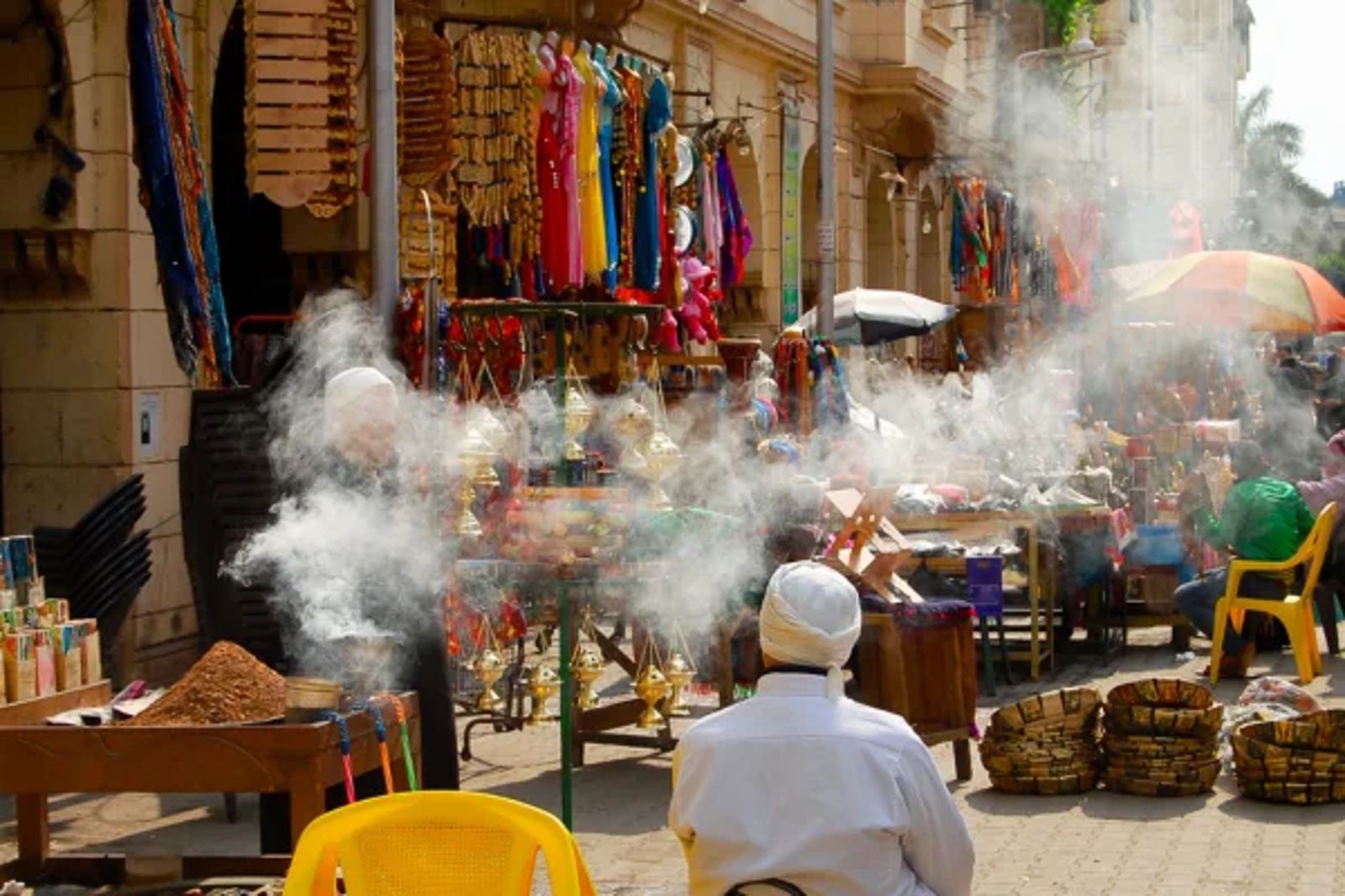
- In markets and villages, explain that small payments are customary for posed portraits — but advise guests not to force a photo or create a disturbance.
Provide pocket cards in Arabic/English with a simple request phrase: “Please ask before taking my photo” (Arabic example: "لو سمحت، هل أستطيع أن ألتقط صورتك؟"). Train guides to intervene tactfully when clients cross cultural or legal boundaries.
What operational checks should be included in supplier contracts?
Include clauses that clarify responsibility and liability for photography-related incidents: penalties for unauthorised commercial shoots, requirements for permit evidence, and procedures for escorts at sensitive shoots. For hire of local photographers or filming crews, confirm that the supplier will secure all MTA and ECAA permits, provide proof of insurance and carry identification for site access.
When booking site extensions or private access (pre-opening or after-hours photography slots), record lead times, additional fees and any technical limitations (generator use, power access, lighting restrictions).
How do we handle community and religious-sensitivity considerations?
Egypt’s communities vary: urban Cairo, Nubian neighbourhoods in Aswan, rural Upper Egypt villages and Sinai Bedouin communities each have different expectations. Brief clients specifically:
- Rural and community visits: ask first, engage and offer to share images afterward. Consider arranging a local photographer through community programmes to create income while protecting privacy.
- Religious sites: in mosques and churches, follow posted rules and local clergy requests; photography may be restricted during services.
- Markets: vendors may expect a small fee for posed portraits; train guides to negotiate politely and to advise on appropriate tipping.
Can we package photography-focused experiences?
Yes. Structured photography add-ons — private-access sessions at the Giza Plateau at sunrise (with permit), guided golden-hour shoots in Luxor and commissioned local-artist portraits — are sellable as premium products. These require coordination with site authorities and often additional insurance. Integrate such options into your Classic tours in Cairo and Luxor or offer them as bespoke elements within tailor-made itineraries. For short excursions within cities, ensure your day logistics team plans arrival times and fallback locations; coordinate through your operations desk and local guides listed on the excursion manifest.
What practical on-the-ground measures reduce risk and improve client experience?
Checklist for operations managers:
- Confirm written MTA/ECAA permits for any commercial shoot and attach them to the traveller or crew file.
- Provide standard pocket briefing cards in Arabic/English to clients and suppliers.
- Train guides in de-escalation and negotiation for photo-related disputes.
- Recommend equipment insurance for clients and require supplier public liability for film crews.
- Offer local photographer partnerships to replace intrusive client photographing in sensitive contexts; include this option in shorex and excursion product sheets.
- Plan private or off-peak access for photography groups; document extra costs and lead times in contracts.
These measures protect heritage, support local communities and reduce negative incidents that can affect broader programme viability. For operators packaging Nile sailings, brief deck and shore protocols in advance so guests understand watercraft privacy and village etiquette when mooring.
For specific site permit guidance, photographer contacts and sample client briefs tailored to your product mix, contact your account manager.
If you would like rates or an operational quote for photography add-ons, private-access slots or a supplier briefing pack, please Request net rates and our team will respond with timelines and permitting costs.