Designing Educational and Experiential Programmes in Egypt
This briefing explains how to build structured educational programmes in Egypt for your clients, integrating Egyptologist-led site briefings, community exchange and practical logistics. It outlines seasonality, permissions, transport and sample itineraries tailored to tour operators and planners.
- Licence
- ETAA licence 718 · Category A
- IATA
- #90255546
- Operating
- Cairo · Luxor · Aswan · Red Sea · Alexandria
- Est.
- 1988
Discovery Tours advises tour operators and MICE planners on practical programme design that delivers genuine learning while remaining operationally efficient. Use this briefing to structure objectives, estimate lead times, and select reliable local services for your clients’ study-focused visits to Cairo, Luxor, Aswan and beyond.
How should I structure an educational Egypt programme for different client types?
Begin with clear learning objectives: archaeology, modern Egyptian society, Nile ecology, or artisanal crafts. Typical formats that work for trade partners:
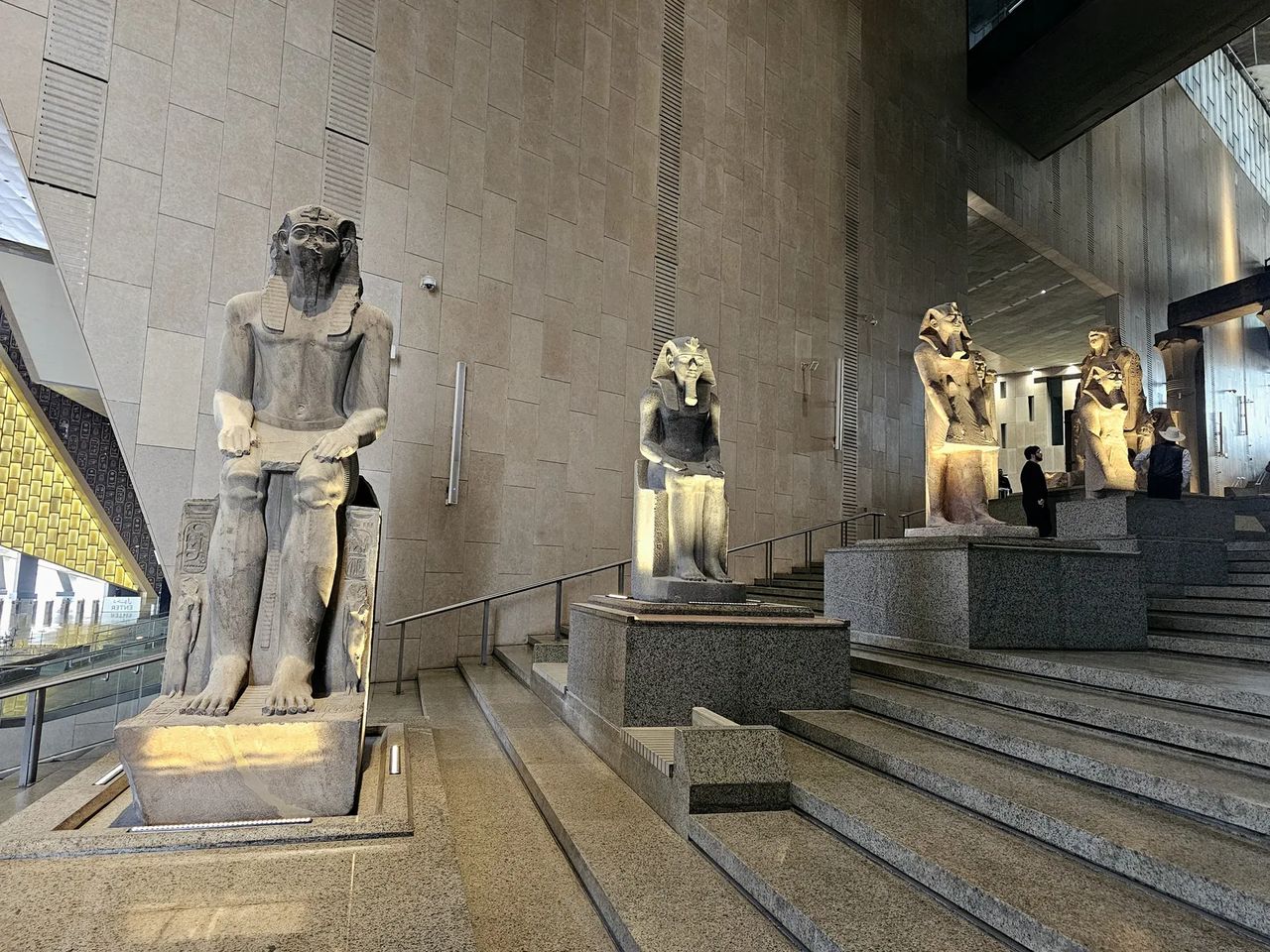
- Short academic break (4–6 days): Cairo-focused visit with Giza Plateau, the Egyptian Museum or Grand Egyptian Museum (GEM), and a workshop or lecture.
- Classic combined (7–10 days): Cairo + a 3–4 night Nile cruise for temples at Luxor/Karnak and the Valley of the Kings. Consider our Nile cruise operations to add Egyptologist briefings onboard.
- In-depth regional study (10–14+ days): Cairo, Luxor, Aswan and Abu Simbel, with community visits (Nubian villages) or desert ecology modules (Siwa or the White Desert).
Match activity level to the client. University groups and specialist societies expect focused lectures, site dossiers and access to Egyptologists; adult-learning leisure groups prefer a mix of guided site time, local workshops (papyrus, pottery), and moderated Q&A sessions.
What operational considerations and permissions should I plan for?
Operational reliability is central to the trade offer. Key considerations:
- Seasonality: October–April is the primary window for comfort across Cairo, Luxor and Aswan. Summer (May–September) is hotter—schedule early starts, shorter site stays and indoor lectures.
- Site access and special permissions: Behind-the-scenes access or specialist photography at museums and certain archaeological stores requires advance application to the Ministry of Tourism & Antiquities; lead times can be 4–8 weeks and may carry extra fees.
- Guides and content delivery: Use licensed Egyptologists for academic briefings. Provide them with the group profile and desired learning outcomes at booking so presentations and handouts are prepared to level.
- Group size and flow: Limit time at high-demand sites (Giza, Valley of the Kings) to avoid overlap with general visitation; staggered entry or private early-access bookings are preferred where available.
How do I manage logistics across Egypt for study groups?
Logistics frequently determine the viability of an educational programme. Consider:
- Domestic travel: Cairo–Luxor flights are approximately 1h15–1h30; Cairo–Aswan around 1h45. For multi-centre programmes factor in a 3–4 hour buffer for transfers and airport procedures.
- Ground transport and transfers: For reliability and timely site access arrange private coaches and airport meet-and-greets with local teams; our transfer services manage staggered arrivals and departures to minimise waiting.
- Accommodation pairing: Pair site locations with hotels that have flexible meeting space for pre-site briefings. Discovery Tours can coordinate hotels near key sites to reduce coach time and improve client experience — see our classic tours operations for typical combinations.
- Nile operations: If including a cruise, confirm embarkation/disembarkation points (Luxor or Aswan) and schedule shore time for guided sessions. Short-term dockings and early-morning temple visits are common for academic groups.
What learning content and add-ons increase programme value?
Educational value is delivered through curated content and experiential add-ons. High-impact options for trade partners include:
- Onsite Egyptologist briefings at Karnak, the Valley of the Kings and Abu Simbel with pre-circulated reading lists.
- Hands-on sessions: papyrus-making, hieroglyph workshops, and traditional cooking classes that are scheduled outside peak site hours.
- Community exchange: short visits to Nubian villages in Aswan or Bedouin-led evening sessions in Sinai that require advance cultural liaison.
- Museum access upgrades: arranged curator talks or storage-viewing of specific artefacts where authorities permit.
Each add-on requires different lead times and fees; include these in initial proposals so your clients understand the value and constraints.
How can I reduce risk and ensure quality delivery?
Risk mitigation and supplier quality are non-negotiable for trade-grade programmes. Recommended controls:
- Work with a licensed local DMC for permits, vetted Egyptologist guides and reliable vehicle fleets.
- Insist on written SLAs for coach timing, guide qualifications and hotel rooming to avoid on-the-ground substitutions.
- Build contingency time into itineraries for traffic, flight delays and site closures; maintain a local contact able to reroute activities at short notice.
Discovery Tours has operated trade programmes in Egypt since 1988 and supports operators with detailed pre-departure dossiers, site notes and optional in-country supervision. For a tailored quote or to discuss a sample itinerary aligned to your clients’ learning objectives, request rates or propose dates via our rates team.
Request net rates or contact us to develop a proposal, confirm lead times for permissions, and secure specialist Egyptologist support for your next educational programme.