Religious Heritage in Egypt: Pharaonic to Islamic
This briefing summarises programming opportunities across Egypt’s Pharaonic, Coptic and Islamic heritage and the operational considerations for trade partners. It covers key sites, sequencing, seasonality and on-the-ground requirements for respectful, viable client itineraries.
- Licence
- ETAA licence 718 · Category A
- IATA
- #90255546
- Operating
- Cairo · Luxor · Aswan · Red Sea · Alexandria
- Est.
- 1988
For programme buyers planning multi-era cultural itineraries, Egypt offers tightly clustered, high-value religious sites from Pharaonic temples to living Coptic and Islamic communities. Efficient routing and clear guidance on access, dress code and seasonal constraints will protect the guest experience and reduce operational risk.
Which Pharaonic sites should be prioritised and why?
Prioritise sites that combine architectural impact with interpretative value. In Upper Egypt, Karnak and Luxor Temples and the Valley of the Kings (including KV62, Tutankhamun's tomb) deliver clear narrative threads about royal cults and funerary practice. In Lower Egypt, the Giza plateau (Pyramids, Sphinx) and Memphis (including the open-air museum with the statue of Ramses II) provide accessible contrasts between cultic centres and mortuary landscapes. For deeper specialist interest, add Abydos (Seti I reliefs) and Dendera for Hathor iconography.
How should Pharaonic visits be timed and managed?
Schedule major temple visits early morning (opening) or late afternoon to avoid midday heat between May and September. Many sites permit licensed guide-led groups; ensure guides are qualified in Egyptology when the brief requires archaeological depth. Photography rules vary: flash is commonly restricted in tombs and some sanctuaries. For Nile-based sequencing, pair inland temple days with a dedicated Nile cruise operations segment to reduce road transfers and concentrate excavation-era visits.
What practical considerations apply to Coptic sites and monasteries?
Coptic Christian sites form a continuous thread from late antiquity to present-day communities. Core stops in Cairo are Coptic Cairo’s Hanging Church (Al-Muallaqa), the Church of St Sergius and the Ben Ezra Synagogue; outside Cairo, include the Wadi Natrun monasteries and St. Catherine’s Monastery in Sinai for programmes that extend to the peninsula.
Are there access or timing constraints for Coptic sites?
Yes. Many churches and monasteries are active worship sites with set liturgies. Coordinate with custodians for group timings and respect restricted spaces during services. Wadi Natrun and St. Catherine require extra transit time and, for Sinai, additional security and permit steps; factor these into ground handling and transfer planning.
How does Islamic Cairo fit into a heritage programme?
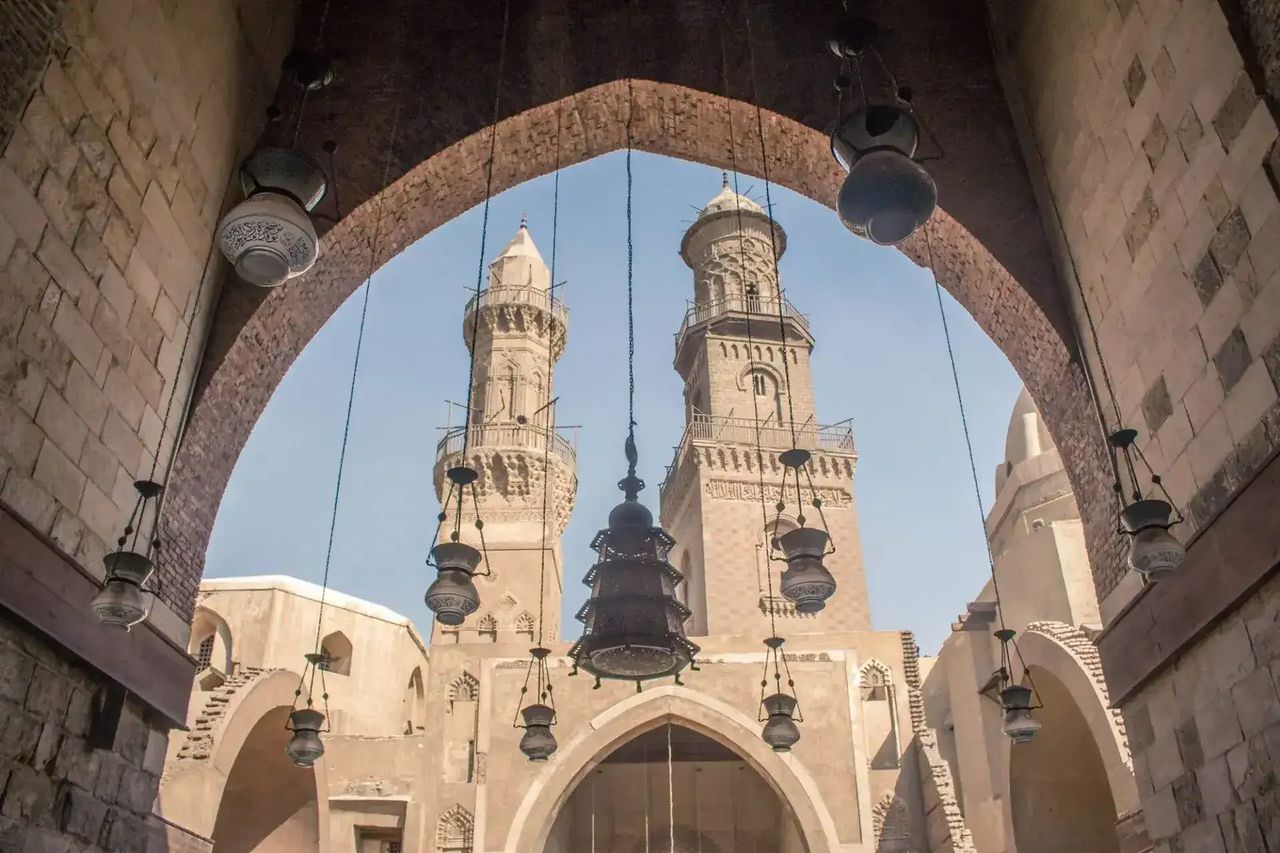
Islamic Cairo is an evolved urban ensemble: Al-Azhar Mosque and University, the Mosque-Madrasa of Sultan Hassan, Ibn Tulun and the mosques around Khan el-Khalili each represent different centuries and styles. Historic Cairo (a UNESCO World Heritage area) lends itself to walking sequences that illustrate the shift from Fatimid foundations to Mamluk monumentalism and Ottoman modifications.
What are the operational rules for visiting mosques?
Visiting rules are site-specific. Many mosques welcome non-Muslim visitors outside prayer times; during Friday prayer and Ramadan access is restricted or suspended. Dress code requires covered shoulders and knees for all visitors; women often need a headscarf. Arrange modesty wraps and brief clients in advance to avoid denied access. For guided urban walking days, consider staggered starts and smaller sub-groups to reduce friction and crowding.
How can programmes demonstrate religious continuity across eras?
Construct narratives that juxtapose temple cosmology, Christian monastic practices and Islamic urban scholarship. Practical examples: begin a Cairo day at the Coptic quarter to discuss late antique Christianity, then move to the Citadel and nearby mosques for Islamic medieval presence; in Upper Egypt, pair Luxor Temple with a later Coptic site or monastery visit to show local continuity. For multi-day routes that connect Nile antiquities with living communities, integrate specialist lectures or targeted guided excursions by subject-matter experts.
What seasonal, safety and accessibility issues must agents consider?
- Seasonality: Peak season is October–April. Summer months increase transfer times and reduce outdoor site time.
- Religious calendars: Ramadan affects opening hours and service access; Holy Week and Coptic Christmas (Jan 7) may change access to Coptic sites.
- Security and permits: Sinai and some monastic zones require additional approvals; early liaison with the DMC secures clearance windows.
- Accessibility: Many monuments have uneven stonework and limited wheelchair access; plan alternative sequences for clients with mobility needs.
How can a DMC add value and reduce risk?
A DMC supplies licensed guides, vetted drivers, timed reservations and local introductions that secure meaningful access without overloading fragile sites. For standard cultural routes consider our classic Cairo-to-Luxor programmes as a baseline and then layer specialist briefings, scholarly add-ons or community visits. Coordinate transfers and city logistics with a TMC that provides door-to-door operational control to avoid guest downtime.
For a partner-ready proposal or tailored sequence that aligns with client interests, season and comfort levels, request a quotation and routing options. Contact us to receive sample itineraries, availability and group rates: Request net rates.