Insight · Cultural brief
Cultural Sensitivity in Egypt: Trade Guidance for Trade Partners
A concise briefing for tour operators and agents on applying cultural sensitivity across Egypt programmes. Practical measures protect site access, strengthen local partnerships and improve client outcomes.
Class A · Ministry of Tourism
#718
#90255546
Cairo · Luxor · Aswan · Red Sea · Alexandria
1988
Purpose: This briefing summarises operational advice you can provide to clients and implement in supplier contracts to make Egypt programmes respectful, reliable and low-risk for both guests and hosts. It focuses on regional differences (Cairo, Upper Egypt, Nubia, oases), seasonal adjustments, permissions and vetted supplier selection.
How should we brief clients on cultural norms before arrival?
Provide a short pre-departure memo for every booking that covers essentials: modest dress for religious and rural sites (shoulders and knees covered; a lightweight scarf for women at mosques), basic greetings (As-salāmu ʿalaykum), and guidance on photography (ask before photographing people). Flag local practicalities: Friday is the main congregational prayer day and many government offices and smaller businesses close for several hours; during Ramadan restaurants and attractions may have altered hours and fewer lunch options for clients.
Deliver the memo in the lead traveller’s language and include contact information for the on-the-ground operations team. For multi-centre programmes (Cairo–Luxor–Aswan or Nile cruises) give tailored notes per stop rather than a single generic document.
Which practices vary regionally across Egypt?
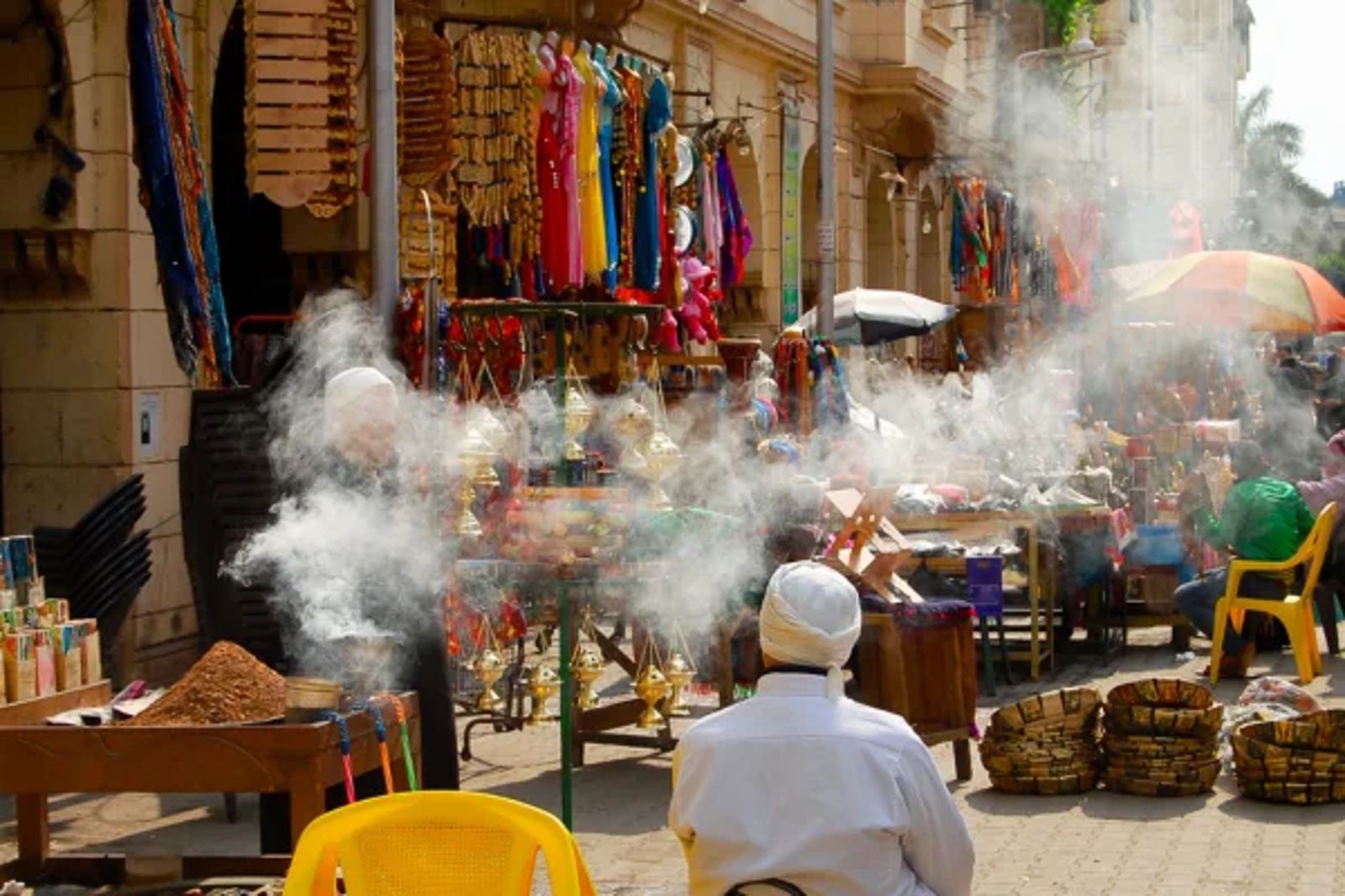
Cairo is more cosmopolitan — visitors can expect more relaxed dress and a wider range of restaurants. In contrast, Upper Egypt (Luxor, Karnak, Valley of the Kings, Aswan and Nubia) is socially conservative; advise modest dress and careful photography when visiting villages or rural markets. Siwa Oasis and the Western Desert have distinct Amazigh (Siwan) customs — arrange community experiences only through vetted local partners.
At coastal resorts (Red Sea and Sinai) social norms are more relaxed in hotel zones, but respect local signage on beaches and villages. For Nile itineraries, integrate pre- and post-cruise notes: cruise guests stepping ashore in Luxor or Aswan should be briefed about respectful behaviour when visiting temples, markets and Nubian homes.
How do site etiquette and photography rules affect logistics?
Archaeological sites and museums have specific rules: tripods, drones and professional camera equipment commonly require advance permits and fees from antiquities authorities. For any filming or press groups, secure Ministry permits well in advance and include permit costs in the quotation. In popular sites (Giza Plateau, Karnak, Abu Simbel) schedule early-morning or late-afternoon visits to avoid heat and heavy crowds — this improves guest comfort and reduces pressure on local communities.
Note: Abu Simbel requires long transfers from Aswan or domestic flights. Plan early starts or overnight options and confirm site opening times during national holidays. For Nile programmes, coordinate shore excursions with the vessel’s itinerary and port clearances; work with an experienced operator for smooth embarkation and disembarkation sequencing and luggage handling — see our Nile cruise operations guidance.
How should programmes be adjusted for season and daily rhythms?
High season runs roughly October–April. Summer (May–September) brings extreme heat in Luxor and Aswan; shift key archaeological visits to dawn and dusk. During Ramadan, market visits are often most productive after sunset; where meals are included in your programme, confirm availability of restaurants that serve all-day or private meals for non-fasting clients.
For outdoor activities in desert or oasis locations, factor in additional water, shaded transfer vehicles and contingency for vehicle breakdowns. For short transfers and city logistics, use experienced suppliers familiar with local traffic patterns and peak hours; see transfer services options that account for city congestion.
How can we select suppliers and design community experiences responsibly?
Prioritise suppliers who provide transparent contracts, fixed rates for local staff and a clear policy on community engagement. Seek partners that offer small-group, locally led experiences rather than large, disruptive “photo stops”. For community-led visits — Nubian villages in Aswan, craft workshops in Luxor or Siwa homestays — require proof of local consent, fair remuneration and a mechanism for community feedback.
Incorporate sustainability criteria in RFPs: local-hire ratios, waste management, and evidence of reinvestment into community projects. For programmes with a sustainability focus, review our community and sustainability partnerships options and ensure transparent reporting lines and impact measurement.
What practical items should be included in contracts and supplier briefings?
- Mandatory pre-trip client memo and on-site briefing script for guides.
- Permit and fee schedule for photography/filming and professional equipment.
- Local code of conduct covering dress, photography consent, tipping expectations and alcohol consumption in public places.
- Contingency timings for Ramadan, public holidays and extreme heat.
- Payment terms that guarantee fair daily wages for local guides and community hosts.
When you are tendering Egypt programmes, include these clauses in your supplier evaluations and operational checklists. For day-to-day execution — day excursions, walking routes and market visits — work with providers that give clear guest briefings and monitor group sizes; our day excursions and guided walks model sets those expectations in contracts.
To discuss integrating cultural-sensitivity standards into your next Egypt programme, request a tailored quote or operational brief with supplier options and permit estimates: Request net rates or contact your account manager.