
Egypt Cultural Heritage: Trade Briefing
Practical operational guidance for agents planning cultural programmes in Egypt, addressing site access, seasonal windows, permits and on-the-ground logistics. Use this briefing to align itineraries with local requirements and specialist supplier capacity.
- Licence
- ETAA licence 718 · Category A
- IATA
- #90255546
- Operating
- Cairo · Luxor · Aswan · Red Sea · Alexandria
- Est.
- 1988
What operational priorities should I set when building Egypt cultural itineraries?
Start by prioritising access, timing and qualified content delivery. Key elements for reliable programmes are licensed Egyptologist guides, express permit management for exclusive access, confirmed transport windows (domestic flights, road transfers and river schedules), and contingency plans for heat, strikes or sudden site restrictions imposed by the Ministry of Tourism and Antiquities.
Concrete checklist:
- Confirm guide accreditation and language capability with your ground supplier.
- Secure any private‑access permits or after‑hours arrangements at least 8–12 weeks in advance.
- Book domestic flights (Cairo–Luxor–Aswan) or river berths early in high season to protect connections.
- Factor in MICE or group-specific needs: coach parking at sites (Giza plateau, Saqqara), and staged arrivals for timed entrances.
How do seasonal windows affect site access and guest comfort?
Egypt’s operative season runs broadly from October to April when daytime temperatures are favourable for archaeology‑heavy itineraries. Summer (May–September) brings extreme heat in Upper Egypt; plan early‑morning visits and fewer exterior walking sessions.
- Peak season (Oct–Apr): best for walking tours, rooftop visits in Cairo and full‑day archaeological schedules.
- Shoulder months (Sep, May): useful for combining desert programmes with coastal extensions to the Red Sea.
- Low season (Jun–Aug): consider Nile overnight cruising with air‑conditioned transfer windows and add indoor cultural content (museums, private collections).
When should I schedule high‑demand events and site‑specific dates?
Plan Abu Simbel around the Sun Festival dates (February and October) if you want the spectacle — but expect increased local traffic and higher permit complexity. Coordinate with local police and aviation authorities for charter slots when using helicopters or private flights into Abu Simbel from Aswan.
How do I arrange exclusive access and specialist content for clients?
Exclusive access differentiates programmes but requires operational lead time and local relationships. Private after‑hours entries, curator briefings at the Grand Egyptian Museum (GEM) or Cairo Museum, and small‑group archaeology briefings on site need formal requests through the MTA and the venue administration.
- Private‑access permits: allow 8–12 weeks; fees depend on site and time of day.
- Curatorial/archaeologist meet‑and‑greets: book via suppliers who work with university contacts and the MTA.
- Hands‑on conservation demonstrations: limited and must be run by accredited conservation teams; suitable for specialist groups or incentive programmes.
What programme combinations work best for cultural depth?
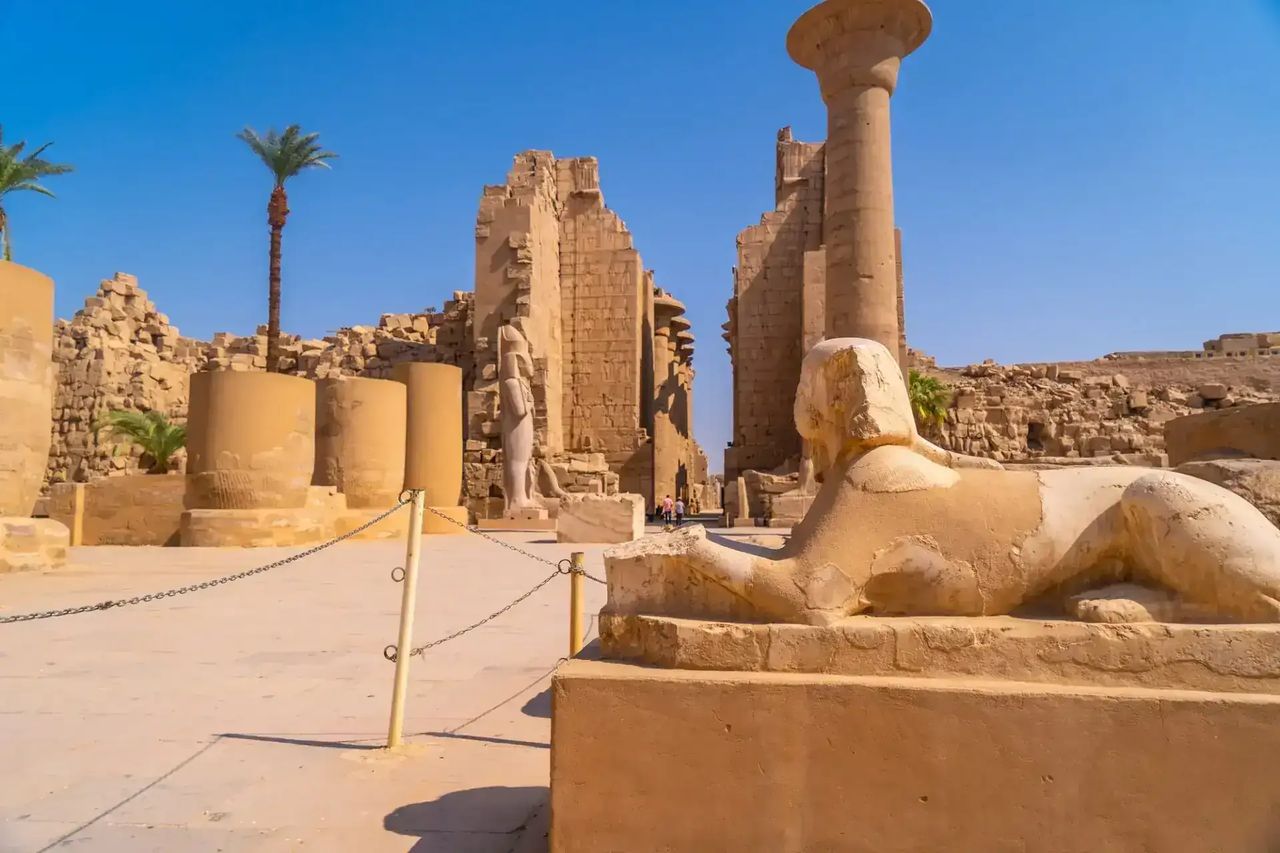
Supply chains that combine Nile cruise operations with curated land time in Cairo and Alexandria allow seamless transitions between museum, monument and community experiences. For land‑only clients, pair central Cairo (GEM, Islamic Cairo, Coptic quarter) with structured days in Luxor (Karnak, Luxor Temple, Valley of the Kings) and Aswan (Philae, Nubian cultural visits).
What are the key logistical considerations for transfers, ports and local transport?
Transfers and punctuality underpin successful cultural days. Domestic flight delays are common in peak months, so always plan buffer time between flights and timed site visits. For river programmes, ensure berthing at Esna or Luxor is confirmed in writing: docking changes are sometimes imposed by port authorities at short notice.
Recommended operational practices:
- Use reputable transfer providers with air‑conditioned coaches and driver licence checks; for airport and inter‑city moves, book through dedicated transfer services.
- Confirm coach parking and pedestrian routing at large sites (Giza plateau, Saqqara, Karnak) to avoid on‑site congestion.
- For large groups, stage arrivals in 20–30‑minute cohorts to match site capacity and guide availability.
How should I brief clients on cultural sensitivity and site rules?
Provide a concise pre‑departure briefing covering dress code for religious sites, photography restrictions (some tombs and museums restrict tripods and flash), and behaviour expectations around fragile monuments. Emphasise that touching reliefs or artefacts is prohibited and that all visits must respect conservation signage.
What add‑ons increase product value without adding operational risk?
- Small‑group specialist lectures on board Nile cruises or in hotel conference rooms.
- Nubian village cultural evenings in Aswan (carefully managed to avoid community disruption).
- Private museum after‑hours or tailored exhibition tours at GEM and major collections.
For integrated itineraries, consider pairing curated land days with our classic land segments or adding tailor‑made private options to create higher‑yield products.
Operational takeaway: early supplier engagement, confirmed permits, licensed Egyptologist guides and conservative timing buffers are the elements that reduce day‑of friction and elevate guest experience.
If you need bespoke routing, supplier vetting or on‑the‑ground operational support, our team can align logistics and content to your commercial objectives. Request net rates or contact us to develop a tailored proposal for your next Egypt cultural programme.