
Cultural etiquette: essential briefing for Egypt programmes
A practical briefing on cultural etiquette in Egypt for travel trade partners planning client programmes. It sets out operational notes, site rules and client-facing wording to include in itineraries.
- Licence
- ETAA licence 718 · Category A
- IATA
- #90255546
- Operating
- Cairo · Luxor · Aswan · Red Sea · Alexandria
- Est.
- 1988
This briefing gives concise, actionable guidance for your clients and on-ground teams. It focuses on behaviours that reduce friction, protect heritage and simplify operations at sites from Cairo and Giza to Luxor, Aswan and the Red Sea resorts.
What supplier-contract standards support respectful tourism?
Clause-level standards reduce ambiguity. Build these into supplier agreements for guides, hotels and local partners: a code of conduct covering guest interactions and protection of vulnerable populations, including a prohibition on transactional giving to individuals without community consent; a procurement preference for community-run enterprises, cooperatives and women-led businesses, with documentation of local employment where relevant; and site-protection clauses prohibiting touching fragile surfaces, graffiti or removing small archaeological fragments, built into guide training and guest briefings.
Discourage feeding or handing money directly to children; recommend purchases from licensed cooperatives or registered craftspeople instead. Route market visits through vetted providers rather than unstructured stops.
How should guides run cultural briefings on the ground?
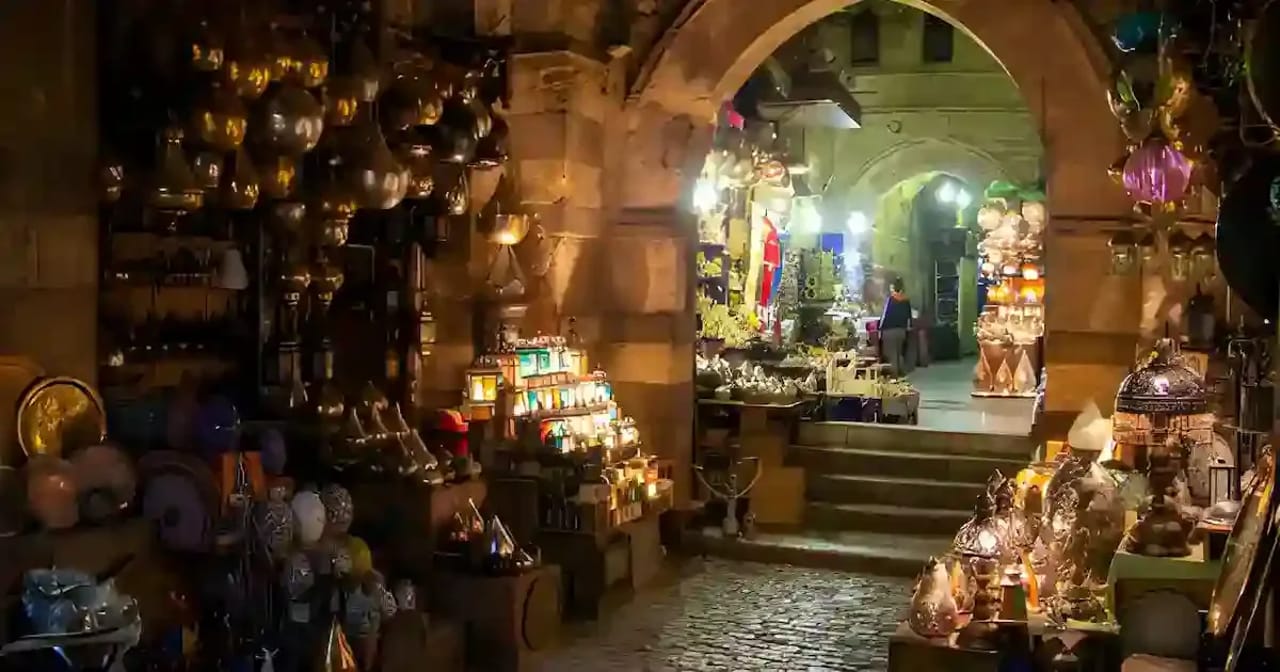
Local guides are the main interface between clients and communities. Brief them to open markets, temples or village visits with a two-minute cultural context statement, ask permission before photographing inside homes, schools or religious settings, and use a polite opening-price strategy when explaining bargaining culture at sites like Khan el-Khalili in Cairo or handicraft stalls in Luxor. For river programmes, agree landing procedures, allocated shore time and local-host expectations with the Nile crew as part of the onboard briefing.
Distribute the client-facing briefing twice: once at booking confirmation, and again 7–10 days before departure, so the guidance is fresh on arrival.
Are there museum-specific conservation rules to confirm during contracting?
The National Museum of Egyptian Civilisation (NMEC) in Fustat and the Grand Egyptian Museum outside Giza each have their own rules and conservation-access periods — confirm current entry conditions during contracting rather than assuming standard museum rules apply. Drone use anywhere in Egypt requires permits from the Egyptian Civil Aviation Authority plus prior clearance at the specific archaeological site; never assume a drone permit is transferable between sites.
How should my clients prepare for social interactions and greetings in Egypt?
Advise clients to use simple, respectful greetings and to follow local lead on formality. Useful phrases: As-salamu alaykum (peace be upon you) with the reply Wa alaykum as-salam, and Ahlan (hello). Encourage clients to let hosts initiate handshakes and to wait for eye contact before photographing people.
- Provide hotel fact-sheets with recommended phrases and pronunciation for guides and tour managers.
- In business and formal settings, use titles and surnames unless the local host invites first-name use.
- Advise discretion with physical contact — public displays of affection are widely frowned upon outside resorts.
What should I include about dress codes and behaviour at religious sites?
Be specific in client materials. For mosques and Coptic churches: shoulders and knees covered for all genders; women should carry a scarf to cover heads inside mosques; men should avoid shorts. Some major mosques require shoe removal before entering the prayer hall and have designated entrances for visitors.
Operational notes for guides and drivers:
- Plan mosque visits outside Friday prayer times and the midday prayer window; confirm access with local authorities ahead of arrival.
- Recommend breathable, modest clothing for summer (Cairo and Luxor can exceed 35°C) and layers for desert nights in winter.
- On Nile cruises, attire in public lounges can be casual, but excursions to temples require the same conservative standards.
How should photography and privacy be handled on tours?
Photography has site-specific rules and legal constraints. Prohibit photography of military, police installations, airports, bridges and certain government buildings. Many archaeological sites and museums restrict flash or require permits for professional photography. Always check the site policy in advance and secure permissions where needed.
- Instruct clients to ask permission before photographing people, especially women and children.
- Advise against drone use without prior approvals from Egyptian authorities; coordinate permits through your DMC partner.
- Include a short ‘photography etiquette’ card in tour documents and brief the guide to manage expectations at crowded sites like Giza and Abu Simbel.
Can my team obtain photography permits and arrange tailored site access?
Yes — coordinate permits and timed entries as part of your excursion planning to reduce confusion on arrival. For example, special access or photography permissions at major museums and some tombs are best requested at least 2–4 weeks in advance. We commonly arrange such permits as part of site-specific excursions and private programmes.
What operational considerations should I add to itineraries to avoid cultural friction?
Embed briefings for drivers, guides and hotel staff into the operational files. Items to include:
- Prayer-time buffers: include 15–30 minute flexibility around the five daily prayer times for site movements and transfers.
- Ramadan adjustments: during Ramadan, plan for later lunches and busier evenings; many restaurants remain open in hotels but street food vendors and some shops will follow altered hours.
- Cash and tipping: note local tipping norms (guides and drivers expect daily tips; service charges often appear on hotel bills). Provide suggested ranges for guides, drivers and local staff.
- Health and comfort: carry bottled water, sun protection and a soft copy of cultural dos and don’ts for clients on hot days at Luxor, Valley of the Kings and Saqqara.
How should we advise clients about archaeological and museum etiquette?
Stress preservation: no touching of reliefs, carvings or painted surfaces; stay on marked paths; do not climb monuments or sit on statues. Flash photography can accelerate pigment deterioration in tombs (Valley of the Kings, certain tombs at Saqqara and Dendera). Reserve time for guided interpretation to reduce unsupervised wandering in sensitive spaces.
For itinerary design, combine timed entries with a qualified Egyptologist guide and consider quieter morning slots (October–April peak season mornings are cooler and less crowded).
What practical language should I give clients and front-line staff?
Provide short, client-facing scripts they can carry on the plane or in their travel app:
- Entering a mosque: “Please cover shoulders and knees; women, please carry a scarf and be prepared to remove shoes.”
- Market behaviour: “Bargaining is normal in souks; fixed-price stores are not appropriate to haggle.”
- Photography: “Please ask before photographing people and avoid restricted sites.”
For programme builders, integrate these scripts into your pre-departure notes and the guide packet. Consider adding a brief cultural video or PDF to confirmation emails.
Where relevant, coordinate cultural-sensitive options with other product types — for example, combine Nile cruise operations with early-morning temple visits or include a pre-visit briefing for guests on a classic tours route.
How do I schedule around seasonal and religious considerations?
Seasonality in Egypt affects more than weather. Summer heat (June–August) changes guest pacing and site timings; plan early morning or late afternoon visits for open archaeological zones such as Saqqara and Giza. Major religious and public observances to calendar‑proof against are:
- Ramadan: variable Gregorian dates — expect altered opening hours, reduced daytime restaurant service, and changes in public transport operations.
- Sakinah and local festivals: village or Nubian community events may restrict access or present opportunities for curated, consensual visits when run with local partners.
Work with local guides to confirm museum and site opening times the week before travel. For Nile operations, align embarkation and shore excursion times with dawn‑to‑dusk changes and local markets; our experience in coordinating Nile cruise operations shows that minor itinerary tweaks reduce friction and improve guest experience.
Related briefings: building trust with local communities and photography etiquette for client briefings.
If you want this briefing adapted into client-facing language sheets, guide scripts or staff training modules, we can tailor materials and secure necessary permits or private access as part of your package. Request rates or operational support via Request net rates.