
Cairo Day Tours — Trade Briefing
A practical operations briefing for trade partners on structuring one-day programmes in Cairo. This note covers site sequencing, timing, logistics and revenue-enhancing add-ons your clients will value.
- Licence
- ETAA licence 718 · Category A
- IATA
- #90255546
- Operating
- Cairo · Luxor · Aswan · Red Sea · Alexandria
- Est.
- 1988
For tour operators and travel agents, a Cairo day is best judged by how reliably it delivers highlights (Giza, the Grand Egyptian Museum, Islamic and Coptic quarters) within predictable timings and with controllable client experience. This briefing gives practical options and operational constraints to help you price and schedule robust day programmes.
Which Cairo sites deliver the most operational reliability for a single day?
Prioritise a compact cluster to limit movement across greater Cairo. Typical, high-yield combinations for 8–10 hour day programmes are:
- Giza Plateau (Pyramids, Solar Boat Museum) + Grand Egyptian Museum (GEM) — strong for history-focused groups and photography;
- Giza Plateau + Khan el-Khalili / Al-Muizz pedestrian sections — good for mixed-interest groups, combining monuments and market experience;
- Saqqara (Step Pyramid and nearby tombs) + Memphis open-air museum — suitable as an alternative to Giza for clients wanting earlier access and fewer crowds.
GEM now houses much of the central collection; allocate timed-entry slots (often morning and mid-afternoon) and expect a 60–90 minute visit for highlights. The Great Pyramid interior has limited daily tickets — reserve these well in advance when it is an inclusions.
How should I construct the day schedule to manage Cairo traffic and heat?
Start times and sequencing depend on season and your clients’ priorities. Practical guidance:
- October–April: normal start 08:00–09:00 is feasible; include outdoor visits throughout the day.
- May–September: start at 06:30–07:00 for outdoor sites (Giza, Saqqara) to avoid midday heat; use a midday indoor stop (GEM or a vetted hotel restaurant) for lunch and cooling.
- Allow buffer time for central Cairo traffic—30–45 minutes from Tahrir/Gezira to Giza off-peak, 60–90 minutes at peak times. From New Cairo expect longer transfers depending on route.
Pad transfer time by 20–30% for coach movements during peak hours and around Friday prayers. For inbound/outbound flight days coordinate arrival/departure transfer windows with the airport (CAI) to avoid overlaps with city congestion.
What vehicle, staffing and permit considerations should I brief my clients on?
Line up resources consistent with group size and expectations.
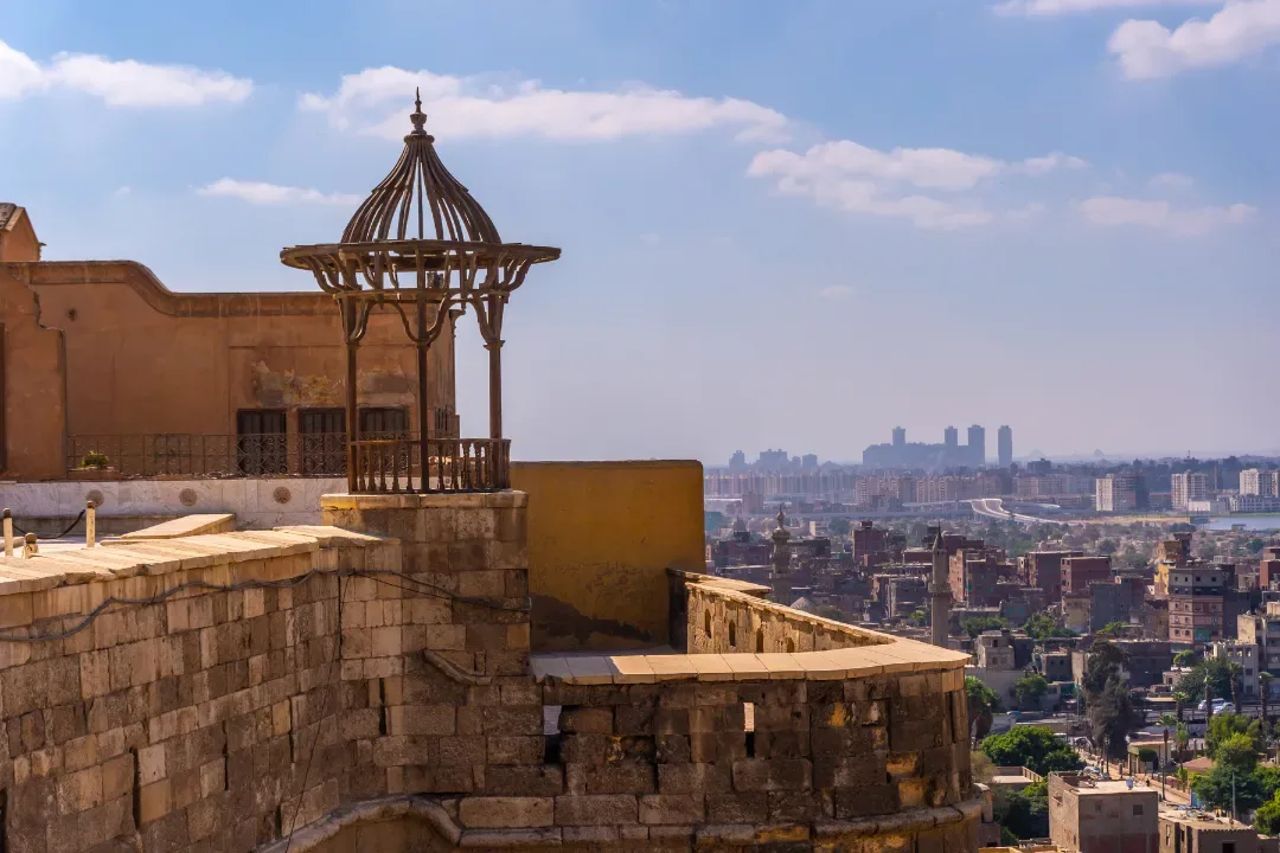
- Vehicles: air-conditioned sedans for FITs; minibuses (16–25 pax) and full-size coaches for larger groups. For rooftop viewpoints or narrow streets near Islamic Cairo use smaller vehicles and plan walking segments.
- Guides: licensed Egyptologists are required at major antiquities sites and preferred at GEM and Saqqara. Provide guides who can handle both narrative and crowd control for efficient site turns.
- Security and entrance procedures: expect security checks at all major sites. For special requests (after-hours access, press/education visits) allow 6–8 weeks for approvals and confirm through your DMC partner.
How do I protect margins while adding high-value optional experiences?
Upsell elements that require limited operational overhead but add perceived value:
- Private early access or timed-entry at GEM; early slots reduce queues and exposure to heat.
- Short, curated culinary stops (Nile-side restaurants in Zamalek or vetted hotels) for full-service groups; pre-set lunch menus reduce on-site delays.
- Photography or Egyptology masterclasses on-site with a specialist guide; these can be sold as premium upgrades for small-group clients.
Structure net rates for add-ons so commissions are straightforward and invoice reconciliation is simple.
What accessibility and client-risk issues should I include in advance information?
Surface and mobility constraints are real in Cairo. The Giza plateau is uneven and sandy; pyramids have high steps and narrow internal passages unsuitable for many mobility-impaired clients. Saqqara has uneven paths around tombs. Offer alternatives: viewpoint stops, museum-based interpretation (GEM), and accessible vehicle drop-off points.
Health and comfort notes: provide hydration breaks, shaded transfer options, and advise on appropriate footwear. During Ramadan plan for reduced food-service availability and different opening hours in some quarters.
How can I operationalise these itineraries quickly?
Work from a modular itinerary template that pairs a primary monument cluster with a guaranteed indoor option. For source markets requiring simplicity, offer fixed “classic” itineraries with clear inclusions (Guide, vehicle, museum entry) and optional addons. For complex or high-value groups, propose private morning windows and bespoke features via your DMC partner.
For fixed itineraries see our classic Cairo sightseeing itineraries and combine them operationally with our dedicated transfer services for airport and intra-city logistics. For bespoke needs, leverage our private tailor-made options to secure early access or specialised guides.
Final operational checklist for agents: confirm timed-entry slots (GEM, museum rooms), pre-book guide and vehicle 48–72 hours before service, include contingency time for traffic, specify precise pick-up/drop addresses, and document mobility limitations for each traveller.
If you would like sample day itineraries, group-rate sheets or operational lead-times for special access, please Request net rates or contact our operations team for quick confirmation and availability windows.