
Planning Heritage-Site Programmes in Egypt
How to structure, price and operate heritage-site programmes in Egypt for travel-trade clients. Practical guidance on logistics, permits, seasonality, accredited Egyptologists and sample dayplans.
- Licence
- ETAA licence 718 · Category A
- IATA
- #90255546
- Operating
- Cairo · Luxor · Aswan · Red Sea · Alexandria
- Est.
- 1988
What operational considerations should I plan for major heritage-site visits in Egypt?
Delivering reliable heritage-site programmes requires attention to permits, timed access, client comfort and local protocols. Core considerations: advance ticketing (Grand Egyptian Museum, Giza plateau, Valley of the Kings and select tombs), limited-capacity timed entries, photography permissions for special areas, and seasonal staffing at sites such as Saqqara and Dahshur. Security and luggage screening are standard at major entrances; budget additional time for checkpoints when scheduling transfers between sites.
How does seasonality affect scheduling and client comfort?
High season runs October–April when daylight is cooler and international airline capacity is higher. Summer (May–September) is extremely hot inland—limit exposed-site time, schedule visits early (before 10:00) or late afternoon, and plan additional hydration/medical support for vulnerable clients. Be mindful of Ramadan and the three Eid periods: opening hours, restaurant availability and domestic flight schedules can change, so confirm on a rolling basis when finalising itineraries.
Which permits and tickets need advance booking?
Advance booking is essential for the Grand Egyptian Museum (GEM) events and for specific tombs in the Valley of the Kings where individual tomb tickets are limited. The Giza plateau has regulated entry times and vendor zones; internal access for filming or specialist talks often requires supplementary permits from antiquities authorities. For Abu Simbel, seat allocations and road/flight options should be secured early for groups. Our operational teams advise pre-purchasing core tickets and holding a small contingency of walk-in slots where possible.
How should transfers and inter-site logistics be organised?
Connect sites with buffer time. In Cairo, expect traffic between Tahrir/ Giza and satellite sites—allow 60–90 minutes depending on start point. For Luxor–Aswan combinations, domestic flights (LXR/ASW) are efficient for short programmes; for immersive offerings consider a Nile option. For river segments we coordinate with Nile cruise operations to combine shore excursions with stable embark/disembark logistics.
What vehicle and transfer standards should I specify for clients?
For groups, specify air-conditioned coaches with fixed seatbelts and local operator liability coverage; for small groups or MICE, use sedans/minivans with advance driver briefings. Coordinate secure luggage handling and airport meet-and-greet through our ground transfers team to minimise delays at checkpoints. For remote sites (Dahshur, Bahariya Oasis) request vehicles with higher clearance and confirm fuel availability in advance.
What guide and product standards will trade buyers expect on heritage programmes?
Trade clients expect accredited Egyptologists or guides with demonstrable site-level experience, familiarity with conservation messaging, and clear interpretation tailored to the group's profile (academic, specialist, mainstream). Maintain small-group ratios for tomb entries (recommended 1 guide per 10–12 clients) and provide written briefing notes for guides covering itinerary timings, emergency protocols and museum highlights. Where clients require specialist lectures (Egyptology, conservation, architecture), book subject-matter experts ahead of time.
What are practical dayplans and time windows for key sites?
Examples that work operationally and commercially:
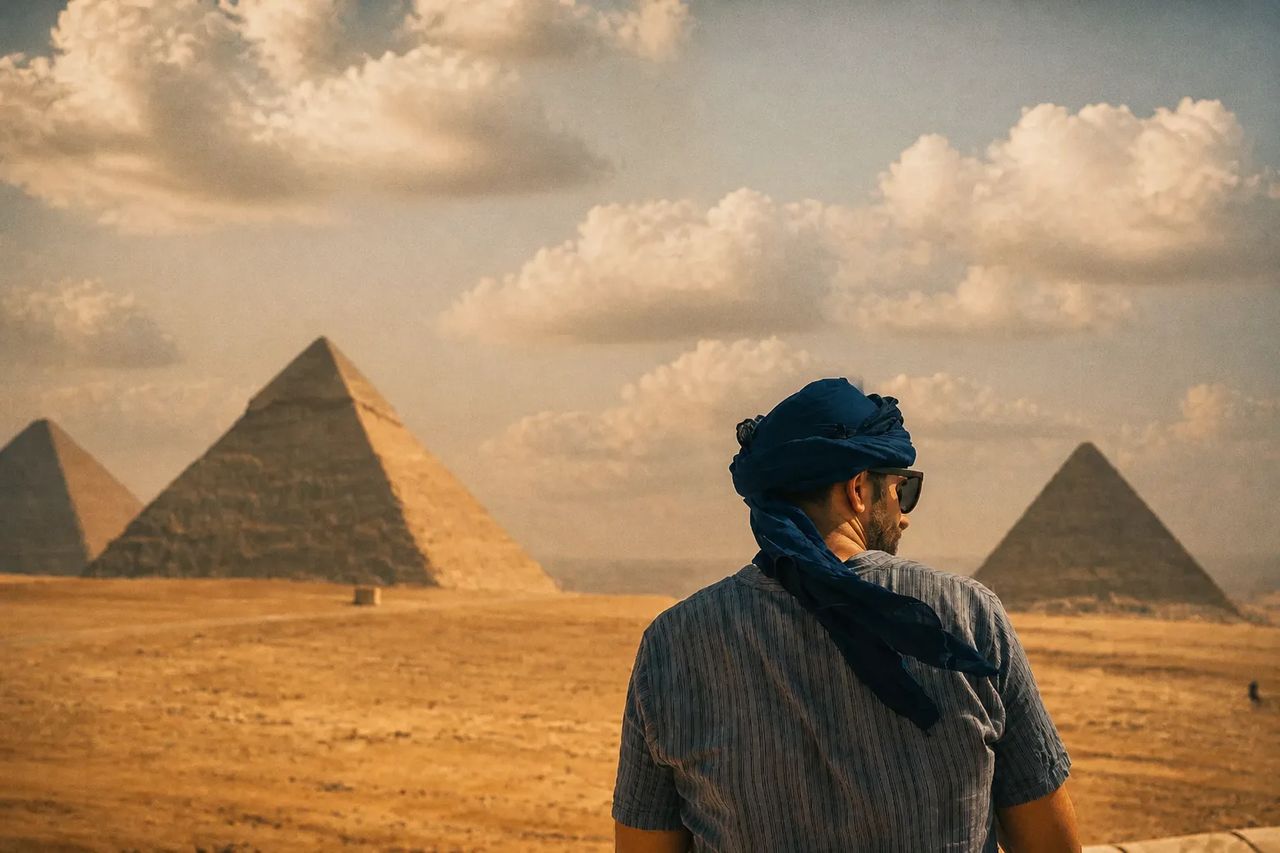
- Cairo — Giza & Saqqara (daytrip): Depart hotel 07:00; Giza plateau 08:00–10:30 (plateau circuit, Sphinx, photographer’s window); transfer to Saqqara 11:30–13:30 (Step Pyramid complex, Serapeum if open); lunch and brief stop at Memphis 15:00–16:00; back to Cairo 17:30. Reserve early entries to avoid afternoon heat and traffic.
- Luxor — West Bank concentrated day: Early transfer to West Bank 06:00; Valley of the Kings 06:30–09:30 (pre-book tomb tickets, consider limited-access tombs); Colossi of Memnon 09:45–10:00; Ramesseum/Medinet Habu 10:30–12:00; return to East Bank and lunch 12:30. Afternoon options: Karnak Temple tour 15:00–17:00. Early starts are essential for tomb visits.
- Aswan & Abu Simbel: For Abu Simbel, plan either a very early flight/coach transfer from Aswan (depart 03:00–04:00) or overnight transfer depending on group profile; secure permits and confirm return slots same day.
Align rooming and early breakfasts with hotel touchpoints; we manage hotel allocations to ensure crews, early starts and luggage flows are covered.
For programme-level tailoring (private, small-group or combined thematic routes) we provide packaged modules, risk assessments and optional add-ons such as specialist Egyptologists, site briefings for guides, and interpretation materials. Use early confirmation windows for peak-season tickets and domestic flights to avoid last-minute price escalation.
To discuss a bespoke heritage programme, sample dayplans in your preferred market language, or to receive rates for a confirmed departure, request a tailored estimate through our rates team.
Request net rates or contact us to scope dates, capacity and operational requirements for your clients.