
Partnering with Discovery Tours Egypt: DMC services for trade
This briefing outlines how Discovery Tours Egypt supports trade partners with tailored, operationally robust programmes across Cairo, the Nile corridor, Aswan, Luxor and the Red Sea. Use it to plan lead times, supplier guarantees and sellable inclusions for your clients.
- Licence
- ETAA licence 718 · Category A
- IATA
- #90255546
- Operating
- Cairo · Luxor · Aswan · Red Sea · Alexandria
- Est.
- 1988
Discovery Tours Egypt has operated as a licensed DMC since 1988. For trade partners planning FITs, small groups or MICE, the primary value of a local DMC is operational certainty: correct permits, supplier guarantees, reliable on-ground support and product variants that match market segments. The sections below answer the practical questions agents and operators ask when placing business in Egypt.
How do you ensure operational reliability for my programmes?
Operational reliability rests on three pillars: contracting, local inventory and on-ground teams. We maintain negotiated allotments and contingency space with hotels in Cairo, Giza, Luxor, Aswan and Hurghada; direct river-ship contracts for Nile cruises; and verified transfer fleets at Cairo International (CAI) and Luxor/Aswan airports. For city programmes we use experienced licensed guides and vetted transport partners with GPS and English-speaking drivers.
Where product complexity rises—Nile cruises, private dahabiya or Lake Nasser voyages—we layer confirmations: booking voucher, ship cabin allocation, and embarkation time two days before sailing. Use our Nile cruise operations capability for detailed cabin plans and embarkation logistics.
What lead times and minimums should I plan for?
Standard guidelines (adjust by season and group size):
- Hotels (peak winter Oct–Apr): contract 30–45 days; block rooms 60+ days for groups during December–February.
- Nile cruise cabins: 60–90 days for peak cabins and upper decks. Private dahabiya charters require 90+ days.
- Domestic flights (Cairo–Luxor/Aswan): 30–45 days for reliable schedules; during Eid and Ramadan expect limited seats and higher fares.
- Special access (early-access to Karnak, after-hours GEM viewings, private Valley of the Kings entries): 45–60 days; approvals vary by antiquities authorities.
How do you protect my clients’ experience on the ground?
We provide 24/7 emergency support and a dedicated operations manager for each programme. Field teams include senior Egyptian guides (archaeology-trained where required), drivers with local traffic experience, and local supplier managers. For higher-touch product, we use advance-site teams to test walk times at Giza, the Grand Egyptian Museum area and Luxor temple sequences to avoid client bottlenecks.
What are the seasonality and climate considerations I should sell around?
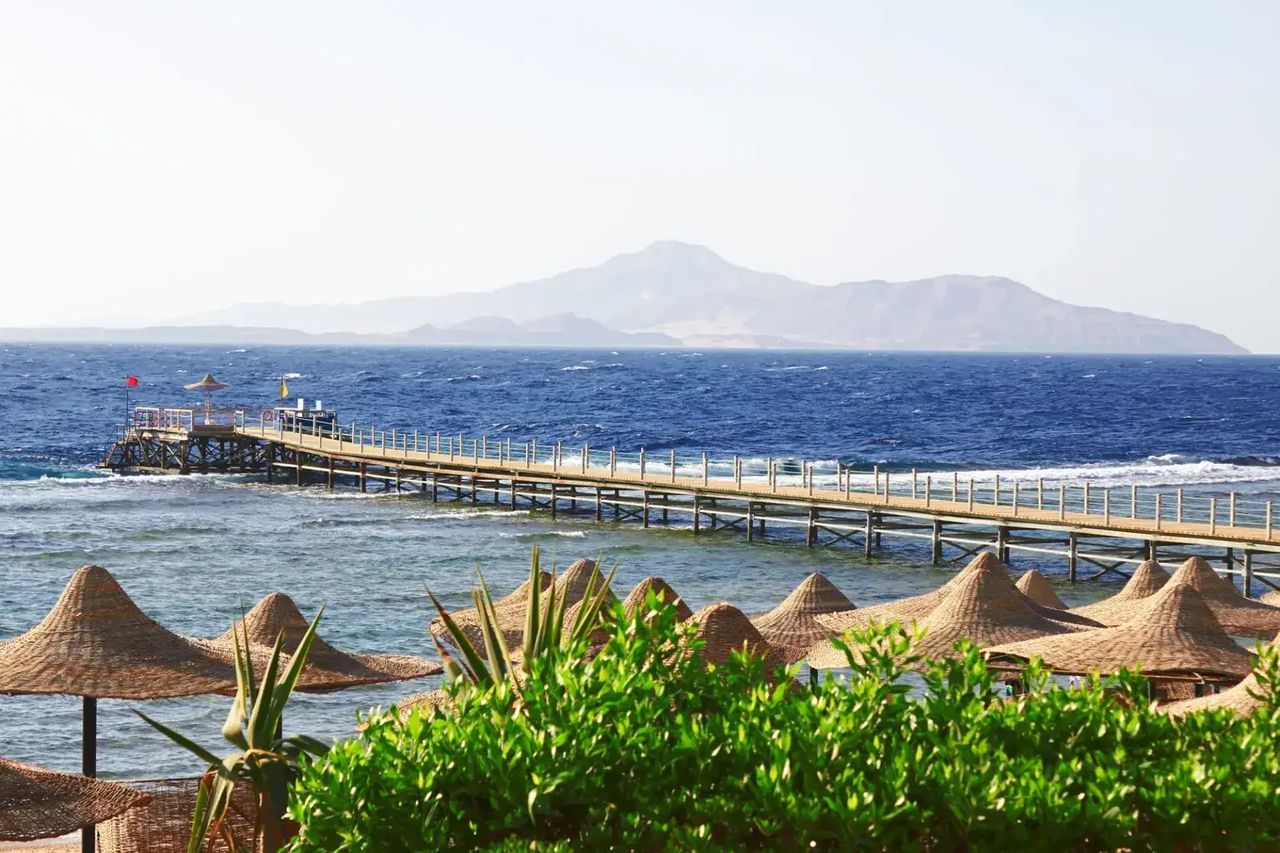
Egypt’s main selling season is October–April: cooler days in Cairo (20–25°C) and comfortable conditions on the Nile. Summer months (June–Aug) have extreme daytime temperatures in Upper Egypt (35–45°C). For active or family programmes and archaeological field visits, schedule Upper Egypt visits between October and April. For Red Sea diving and beach products, the shoulder seasons (April–June, Sep–Nov) combine warm water and fewer crowds; see our Red Sea services for resort and dive logistics.
How do you add commercial differentiation for my clients?
Product differentiation can be configured at contracting: timed-entry private tours (first entry at Giza or early visit to Abu Simbel), VIP access and curated culinary experiences. We can arrange tailored inclusions such as private viewings, museum conservation talks, or local craft workshops. Our contracting team also sources fixed-value add-ons for excursions to keep margin structures clear.
For tailored programmes we coordinate with our hotel contracting and private tailor-made itineraries teams to price private vehicles, dedicated guides and bespoke meals.
What contractual and financial terms do you apply for trade partners?
We operate trade tariffs with tiered rates for FIT and groups, and we provide pro forma invoices on request. Standard terms: 30% deposit on confirmation for hotels/cabins, balance 30–45 days before arrival for groups; FITs often operate on payment-against-voucher within 14 days pre-arrival. Cancellation windows vary by supplier and season—be explicit in client-facing policies. For MICE, we issue a separate contract with performance guarantees and attrition clauses; see our capabilities for event logistics.
How do you manage risk, compliance and sustainability expectations?
Risk management includes supplier insurance verification, vehicle maintenance records and guide certification. For sensitive operations (film permits, drone shoots, archaeological access) we handle permits through official channels and coordinate security where required.
Our sustainability practices are focused on local supplier development, waste-reduction measures in camps and careful visitor flows at archaeological sites to minimise impact. Discuss sustainability requirements early so we can align suppliers and brief guides accordingly.
How do I convert this into a sellable product for my clients?
Provide clear product sheets indicating inclusions, pace (example: 4-night Nile: Luxor–Esna–Edfu–Kom Ombo–Aswan), health and visa requirements, and suggested retail prices with recommended margins. Use sample day-by-day timelines (arrival, site visits, transfer times) and point-of-contact details for on-ground support. We supply marketing assets, B2B rate sheets and can produce itinerary copy tailored to your reservation system.
To move from briefing to booking, request a sample proposal with rates, cabin inventory and provisional supplier confirmations. For rates or to discuss an upcoming RFP, request a detailed quote and contracting terms via Request net rates.