
Iconic Egypt landmarks: practical briefing for tour operators
This trade briefing summarises the operational, scheduling and permitting considerations for programming Egypt’s principal monuments (Giza, Cairo museums, Luxor, Aswan) for groups and FITs. It is written for tour operators, agents and MICE planners preparing itineraries and supplier contracts.
- Licence
- ETAA licence 718 · Category A
- IATA
- #90255546
- Operating
- Cairo · Luxor · Aswan · Red Sea · Alexandria
- Est.
- 1988
Scope: This briefing covers which sites to prioritise, seasonality, time-on-site guidance, ticketing and permit notes, guide qualifications, group-size recommendations and inter-city logistics. It assumes you will contract local ground handling for transfers, guides and entrance arrangements.
Which monuments are essential to include in a classic Egypt programme?
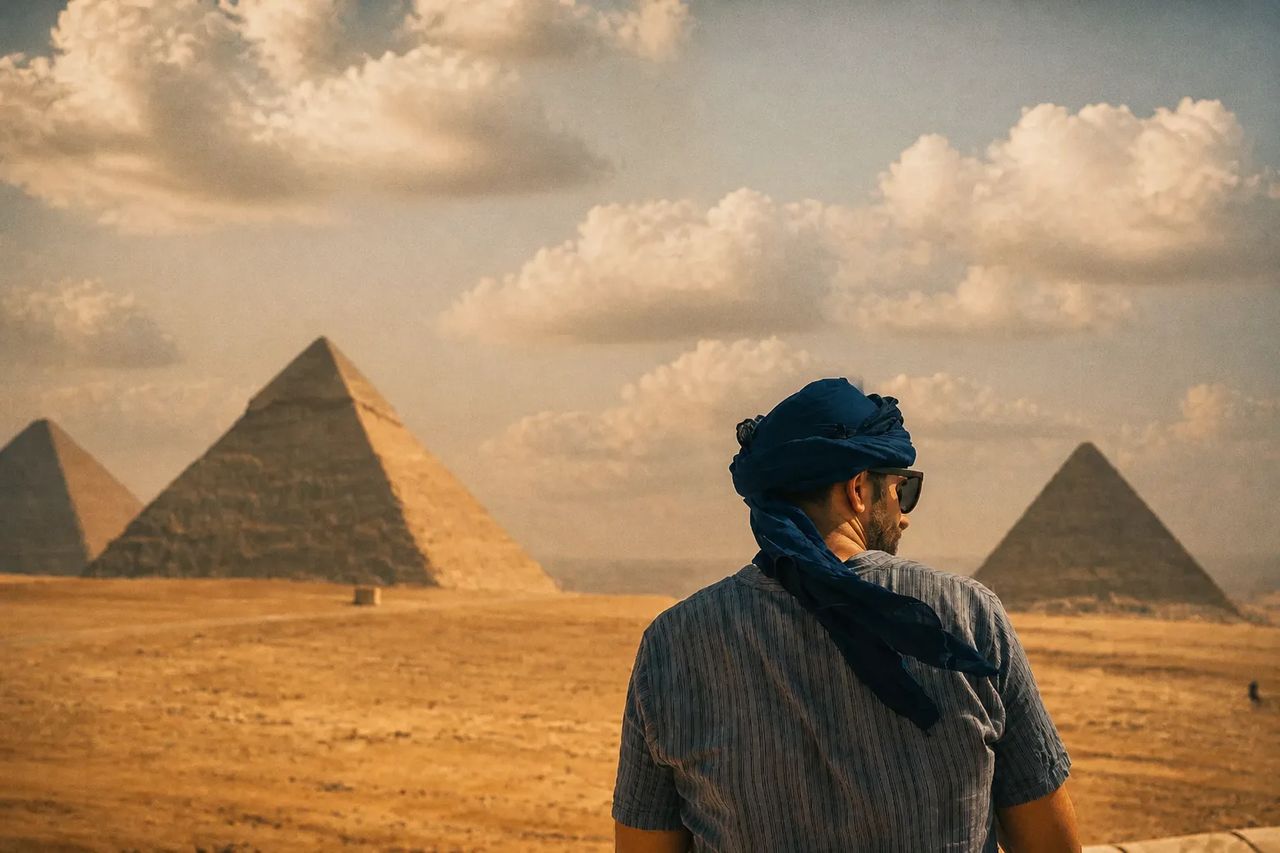
For a 7–10 day programme aimed at culturally-focused travellers, prioritise: the Giza plateau and the Great Pyramid/Sphinx; the Grand Egyptian Museum and/or the Egyptian Museum in Tahrir; Luxor’s Karnak and Luxor Temples and the Valley of the Kings; and Abu Simbel near Aswan. A standard combination is Cairo (2–3 nights) + Nile cruise (3–4 nights) + Aswan/Abu Simbel (1–2 nights). Where clients seek premium delivery, integrate tailored visit times at the Grand Egyptian Museum and private access options on the Nile. For river-based elements, coordinate with your cruise supplier; see our operational overview for river product management in Nile cruise operations.
What are the seasonal and daily timing factors that affect visits?
Egypt’s high season runs October–April. Temperatures are milder and sites are busy; expect peak crowds around Christmas/New Year and late February–March (school holidays). Summer (May–September) brings high daytime temperatures across Upper Egypt — schedule strenuous site visits for early morning or late afternoon and provide shaded transport and frequent water breaks. At Giza and Luxor, the coolest and least congested windows are 07:00–09:30 and 16:00–18:00. Early starts mitigate coach parking congestion at Giza and allow smoother turnaround for multiple groups.
What are realistic on-site durations and sequencing for major monuments?
Suggested minimum times on site (including transfers from central hotels):
- Giza plateau: 2–3 hours (including Pyramid exterior, Sphinx, brief inside visit if permitted).
- Grand Egyptian Museum / Egyptian Museum: 2–3 hours (allocate more for specialist or VIP tours).
- Karnak Temple: 1.5–2 hours (allow additional time for sound-and-light or specialist briefing).
- Valley of the Kings: 2–3 hours (including one or two tomb entrances; plan tomb rotation fees).
- Abu Simbel: 3–4 hours on day-trip by road or 1.5 hours on-site when using an early morning flight.
Sequence visits to reduce intra-city transfers: in Cairo, pair the museum with Coptic/Cairo Citadel visits; in Luxor, combine East Bank temples in a morning and West Bank tombs in the afternoon or vice versa depending on heat and ferry schedules.
What permits, tickets and access restrictions should I plan for?
Key points:
- Interior access (Great Pyramid, selected tombs) often requires limited-entry tickets and extra fees. Confirm availability at least 45–60 days in advance for large groups.
- Photography and filming: commercial photography or drone use requires permits from the Ministry of Tourism and Antiquities; plan 2–4 weeks for approvals.
- Special access (after-hours, private viewing) is possible at major sites but requires formal application and higher fees; lead time varies by site.
What operational considerations affect ground handling and guides?
Use licensed Egyptologist guides for archaeological sites — Egyptian regulations require site-licensed guides for official interpretation. For high-value groups, book guides with language proficiency relevant to your market and experience with museum handling and client safety in tombs. Keep group sizes small for fragile contexts: recommended maximum 12–15 clients per guide for tomb visits, 20–25 for open-air temple complexes. For combined-city logistics, coordinate domestic flights (Cairo–Luxor–Aswan), overnight sleeper trains for secondary markets, or private transfers; our transfer services can provide coach and VIP vehicle options.
How should agents structure optional excursions and add-ons?
Offer optional pre- or post-programme add-ons such as extended Cairo museum time, a 3–4 night Nile cruise, or Red Sea beach extensions. For Nile segments, align landing/arrival times with cruise embarkation windows and shore excursion plans to avoid missed connections; coordinate with your cruise partner early — we provide integrated shore excursion logistics and supplier management via our excursions team and hotel contracting through hotel services.
What risk and contingency planning should be included?
Build buffer time for Cairo traffic, domestic flight delays, and monument entry queues. Include alternative indoor activities (museums, workshops) for extreme heat or short-notice site closures. Ensure clients have clear guidance on site-appropriate clothing, mobility constraints (many sites are uneven underfoot), and surface access (buses cannot always park beside monuments; short walks required).
Summary for tendering: specify licensed guides, timed monument entries, photography permissions, group-size caps per site, and clear transport windows between city legs. Price lines should reflect extra fees for interior/tomb entries, private-viewing applications and drone/filming permits. For integrated river and shore operations, combine shore-excursion and cruise supplier contracting into one package to reduce on-ground handovers.
To request a sample itinerary, operational rider or group quotation, contact our sales team and request tailored costing for your dates and passenger profile. Request a rates proposal and operational lead times here: Request rates and operational details.