
Adventure and Activity Product Briefing for Egypt Programmes
This briefing sets out practical options, operational constraints and sellable product ideas for active and adventure experiences in Egypt, intended for tour operators, agents and programme planners.
- Licence
- ETAA licence 718 · Category A
- IATA
- #90255546
- Operating
- Cairo · Luxor · Aswan · Red Sea · Alexandria
- Est.
- 1988
This note summarises the product types, on-the-ground realities and supplier checks you should factor into adventure and activity programming in Egypt. It highlights the principal source regions (Sinai, Red Sea coast, Western Desert, Nile Valley), typical guest profiles, seasonality, safety requirements and pricing levers you can use to convert enquiries into confirmed bookings.
What adventure product types should I offer for different client segments?
Core product categories that sell for international markets are: desert safaris (half-day to multi-day in the Western Desert and Sinai), off-road and quad experiences, Red Sea snorkel and diving packages, active Nile extensions and light-adventure cultural excursions.
- Red Sea diving and snorkelling: Hurghada, El Gouna, Dahab and Sharm el-Sheikh offer reef-based day boat and liveaboard options. Tailor for certified divers (technical and recreational) and first-time snorkellers with shallow reef experiences.
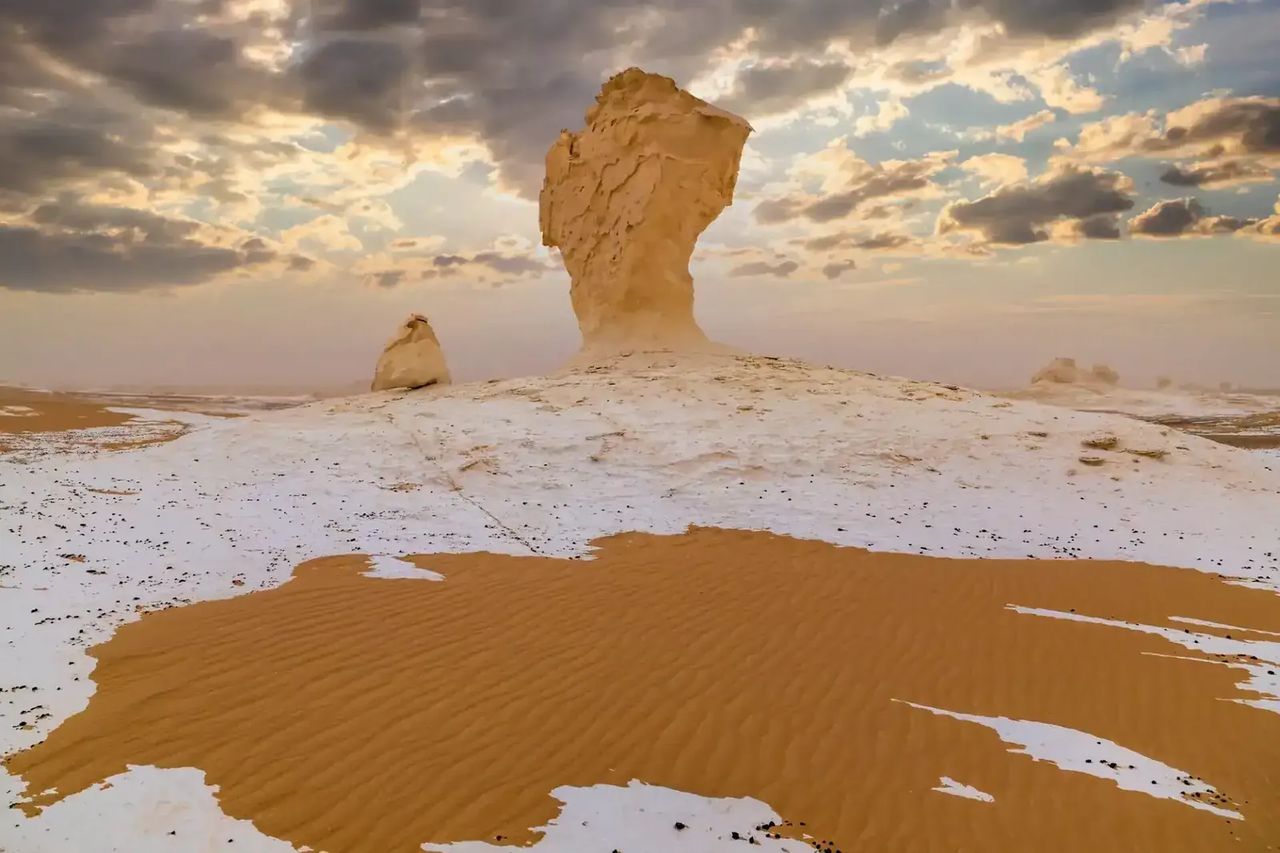
- Desert safaris and multi-day itineraries: White Desert, Bahariya, Farafra, Dakhla and Siwa can be packaged as overland adventures with camp logistics or as short excursion products from Cairo or Luxor.
- Quad and 4x4 day trips: Half-day quads near Hurghada and Sharm and full-day 4x4 traverses in Sinai are attractive add-ons for sun-and-sea markets.
- Nile-linked active options: guided bicycle rides alongside Luxor/Aswan, felucca short sails and short hikes at desert temples pair well with standard Nile products.
Consider segmenting offers: high-margin private or small-group adventures for premium guests; fixed-departure options for yield-sensitive FITs and families with reduced-distance rides and junior equipment. For integrated Nile activity options, coordinate with your Nile cruise operations to create shore-based active transfers and guided visits.
What are the principal seasonal and routing constraints I must plan for?
Seasonality influences operational feasibility and guest comfort. Recommend seasons by product:
- Desert safaris: Best October–April for daytime comfort and clear nights; summer temperatures in the desert (May–September) increase risk and require altered schedules (early starts, shorter durations).
- Red Sea diving/snorkelling: Viable year-round. Peak water visibility and calmer seas typically run April–November; winter sees cooler surface temperatures and stronger northerly winds in some areas, affecting boat schedules.
- Nile Valley activities: Year-round but temperatures in Upper Egypt exceed 40°C in summer—schedule outdoor activities at dawn/dusk.
Routing notes: regional airports (HRG, SSH, LXR, ASW, CAI) reduce internal road times but increase transfer costs. Example road times: Hurghada–Luxor ≈ 4–5 hours; Sharm–Dahab ≈ 1–1.5 hours. Factor repositioning costs when designing multi-centre programmes.
What safety, licensing and medical provisions must I require from suppliers?
Supplier credentialing is non-negotiable for trade liability and guest safety. Insist on:
- Egyptian Tourism Authority or governorate licence for excursion operators and camps;
- PADI or equivalent certification for dive centres, evidence of recent equipment maintenance, oxygen kits on boats and a documented emergency plan including nearest hyperbaric chamber (Hurghada and Sharm have hyperbaric facilities);
- Vehicle maintenance records, third-party insurance and accredited driver/guide licences for 4x4 and quad operations; written safety briefings and helmet policy for all riders;
- Medical evacuation plans for remote camps, basic first-aid trained staff on site and access to private clinics in Hurghada, Sharm or Luxor for urgent cases;
- Environmental compliance: protected-area permits for marine parks and desert reserves, waste management practices for overnight camps, and animal-welfare standards for camel or horse rides.
How should I structure pricing and productisation to improve sell-through?
Use simple modular pricing and clear inclusions. Typical levers:
- Base rate for transfer + activity; incremental supplements for private transfers, early/late pick-up, equipment rental and instructor-to-guest ratios.
- Fixed-departure vs private-product pricing: public departures reduce per-person cost; private departures command premium but require minimum-guests or a guaranteed buyout.
- Upsells that increase APU (average per-unit revenue): guided dive courses, underwater camera hire, luxury desert camp upgrades, meals with a local Bedouin host and sunrise hot-air balloon in Luxor.
- Family-friendly packages with child-seat/child-quad options and age-appropriate activity durations to widen appeal.
When packaging Red Sea activity days for non-divers, combine snorkel trips with shallow reef guided swims and surface-interval leisure to reach less-experienced travellers; for dive markets, offer repeat-dive discounts or multi-day liveaboards. Coordinate activity schedules with shore-based stays in Hurghada or Sharm and with broader itineraries using our excursions and transfer capabilities to avoid transfer knock-on costs — see practical options on our excursions and Red Sea operations pages.
Which checks and contract clauses protect my agency financially and operationally?
Include clear clauses in supplier contracts on cancellation terms, force majeure, minimum-guests, equipment standards and liability insurance. Require suppliers to provide recent public liability certificates, staff CVs for key instructors/drivers and a written emergency contact procedure. Define refund and replacement obligations for weather-disrupted boat trips and mechanical downtime for vehicles.
For a programme proposal or supplier options aligned to your client profile, request a tailored estimate and supplier audit from us. To discuss specific routing, pricing or to request rates, contact us via Request net rates.