
Egypt Archaeological Sites: Trade Buyer Briefing
Operational briefing for designing archaeological programmes across Egypt’s principal sites. This note focuses on permitting, seasonal planning and on-the-ground logistics travel partners must manage.
- Licence
- ETAA licence 718 · Category A
- IATA
- #90255546
- Operating
- Cairo · Luxor · Aswan · Red Sea · Alexandria
- Est.
- 1988
This briefing summarises what travel buyers need to know to build reliable archaeological itineraries in Egypt: site access and restrictions, optimal timing, required permissions, transfer times and recommended supplier arrangements. It is written for operators, agencies and MICE planners assembling multi-site programmes that include Cairo, Giza, Saqqara, Luxor, Aswan and selected Upper Egypt sites.
Which site-access and permit issues should I plan around?
Most excavation zones and many interior tombs require permits issued or coordinated through the Ministry of Tourism and Antiquities. Common points we manage on behalf of partners:
- Timed entry and group limits: The Valley of the Kings and several Saqqara tombs have strict visitor limits and staggered entry windows—book at least 6–8 weeks ahead for peak-season groups.
- Special-access requests: Early-morning access, after-hours visits or guided access to restricted areas require formal Ministry sign-off and can incur additional fees and escort requirements.
- Filming and professional photography: Commercial filming needs separate permits; allow additional processing time and higher security deposits.
- Conservation closures: Tombs and chambers are periodically closed for conservation; block provisional alternatives (e.g. non-public mastaba visits, Memphis, Dahshur) in your itinerary.
When is the best season for archaeological programmes?
Standard operational windows are October through April for daytime site work and visits. Key considerations:
- October–April: Cooler days, full schedule flexibility and long drawn-out daylight for paired site visits.
- May–September: High temperatures; schedule outdoor sites for early morning (sunrise at Giza) and late afternoon. Consider shading and water logistics for coach transfers.
- Ramadan: Reduced opening hours for some services, restaurant options and cultural sensitivity for daytime activities—confirm timings before selling.
How do transfer times and internal logistics shape an itinerary?
Transfer planning drives realistic day programmes. Typical transfer times under normal traffic and road conditions:
- Cairo Airport to Giza/central Cairo: 45–75 minutes (allow extra buffer for traffic peaks).
- Giza Plateau to Saqqara/Dahshur: 30–60 minutes depending on route and stops.
- Luxor East to West Bank: 20–40 minutes including short ferry crossings or private boat transfer.
- Aswan to Abu Simbel: ~3 hours by road or a 45–60 minute domestic flight (operate with advance seat blocks).
For multi-site programmes that include river travel, combine a land element with professionally managed Nile cruise operations or inter-site flights. For point-to-point movements, contract vetted local teams for punctual airport and intersite transfers.
What operational services should I secure from a local DMC?
To reduce on-ground risk, confirm these DMC services at contracting stage:
- Ministry and site-permit handling with written confirmation of access windows;
- Experienced Egyptologist guides with licences for archaeological sites and the language skills your clients require;
- Pre-vetted vehicle fleet with air-conditioned coaches and shaded minibuses for desert transfers;
- Contingency plans for closures, weather interruption or last-minute site block-outs and ready alternates (Memphis, Dahshur, local museum visits).
How should I structure a typical 7–10 day archaeology-focused programme?
Sample structure for a confidence-building product:
- Day 1–2: Cairo — Giza Plateau, Grand Egyptian Museum (confirm GEM access), Old Cairo items as optional extension;
- Day 3: Saqqara and Memphis — staggered tomb visits with conservation-aware pacing;
- Day 4: Fly to Luxor — East Bank afternoon orientation at Karnak;
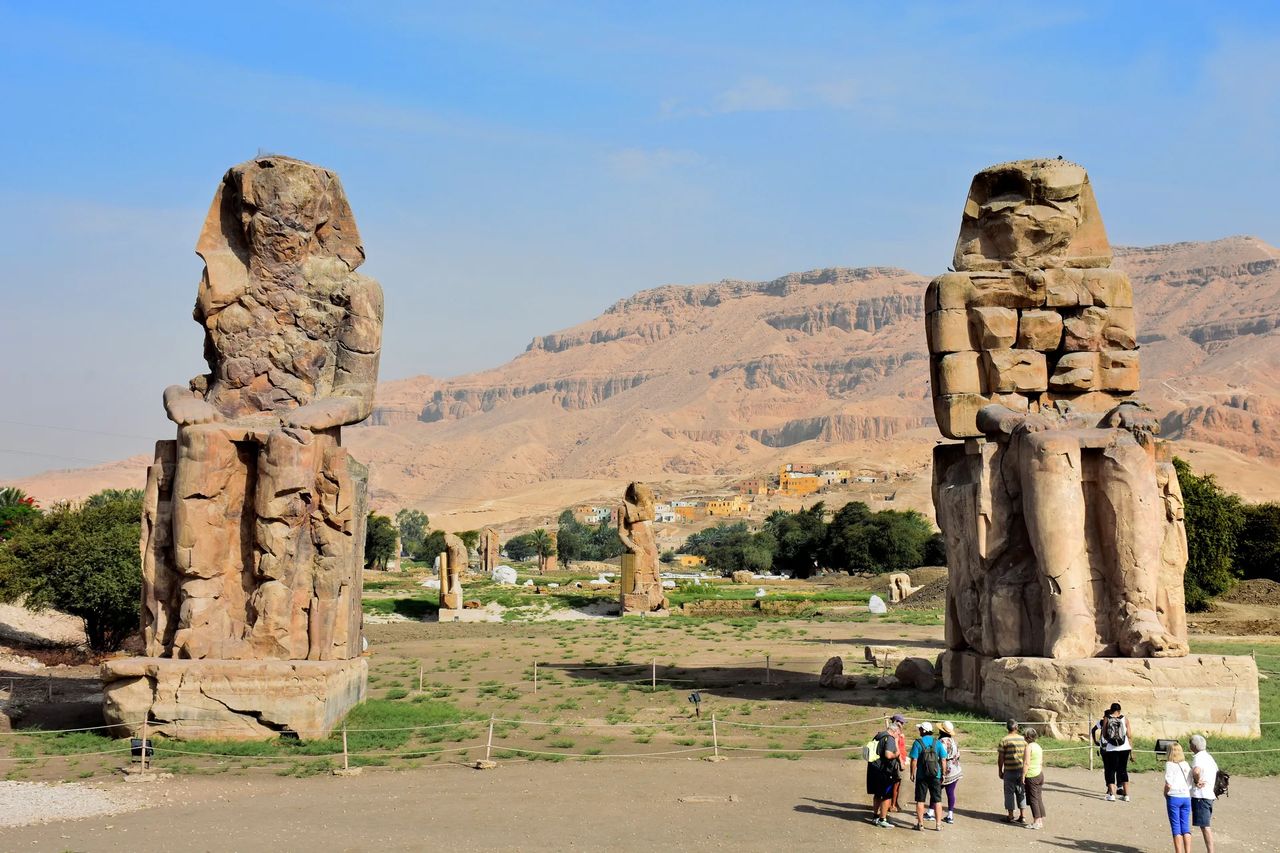
- Day 5–6: West Bank — Valley of the Kings (select tombs), Hatshepsut, Deir el-Bahari; optional Luxor Museum;
- Day 7–8: Optional Nile cruise segment or transfer to Aswan and Philae; include Abu Simbel add-on by flight or road.
Adjust days for group pace and specialist interests (epigraphy, conservation, or Egyptology lectures).
What are the key commercial and client-safety considerations?
Price transparently for permit fees, guide supplements, and potential site surcharges. Communicate realistic walking requirements and surface conditions to clients (uneven stone, staircases inside tombs). Insist on hydration protocols during summer months and provide shaded waiting areas where possible.
For operators building archaeological-led products, partnering with a DMC that combines permit experience, licensed Egyptologists and reliable ground logistics reduces cancellations and protects reputation. Discovery Tours Egypt coordinates permits, guides and transfers to stabilise itineraries across seasons.
If you would like a sample itinerary or costed options for small groups, specialist-interest tours or combined Nile and archaeological programmes, please Request net rates and we will prepare a tailored proposal with confirmed site access notes and lead times.