
Culinary Programmes in Egypt for Tour Operators
This briefing outlines how to design, cost and operate culinary programmes in Egypt for groups and FITs. It covers product types, seasonality, supplier selection and practical operational notes for tour operators.
- Licence
- ETAA licence 718 · Category A
- IATA
- #90255546
- Operating
- Cairo · Luxor · Aswan · Red Sea · Alexandria
- Est.
- 1988
What culinary product types perform well for international groups in Egypt?
Operators typically sell three repeatable products: short participatory cooking classes (half-day), market-to-kitchen experiences (market visit plus hands-on session), and seated tastings that sample regional dishes. Each has a different price point and operational footprint. Example product mixes that sell well to European and North American clients are:
- Half-day market visit at a neighbourhood souk followed by a 3-hour class (ideal for city stays in Cairo or Alexandria).
- Full-day regional cuisine programme in Luxor or Aswan combining local lunch, village cooking demonstration and a cultural site visit.
- Evening tasting dinner or private kitchen takeover for incentive groups or small MICE delegations.
There is also strong demand to combine culinary activities with Nile cruising. When integrating with river programmes ensure the kitchen setup and passenger flow are compatible with the ship schedule; see how this works operationally with our Nile cruise operations.
How should I price and structure programmes for groups?
Pricing drivers: instructor/chef fee, venue hire or kitchen hire, ingredient cost (seafood and imported items raise cost), transfers, translation, and insurance. Typical per-person net rates for group-buying bands (operators contracting with a DMC) fall into three tiers: budget (market visit + shared cooking station), mid-range (dedicated instructor, plated tasting), and premium (private chef, bespoke menu, venue hire). For accurate costing, list fixed vs variable costs and include a contingency for food waste or last-minute substitutions (10–15%).
Group sizes: cooking classrooms in Cairo and Luxor comfortably handle 8–12 participants per session; larger groups require split sessions or parallel stations. For incentive dinners or chef demonstrations, contract based on the venue’s plated service capacity rather than classroom limits.
What seasonal factors affect availability and pricing?
Peak inbound season (October–April) increases supplier rates and reduces availability for early-morning market windows. High summer (June–August) is hot in the Nile Valley and can limit outdoor activities; coastal programmes in Alexandria and the Red Sea are more viable then. Ramadan substantially alters meal and market hours—avoid scheduling main culinary activities during fasting hours or repackage them as evening experiences. Seafood prices fluctuate with local fishing seasons and weather on the Mediterranean and Red Sea coasts.
How do I manage operations, safety and supplier selection?
Supplier due diligence is essential. Typical local partners include licensed cooking schools, boutique restaurant kitchens, community-run culinary projects and private chefs. Verify food-safety certifications (local HACCP-equivalent where available), public liability insurance, and the supplier’s experience with international groups. For market visits, choose suppliers with strong crowd-management practices and clean, sheltered areas for demonstrations.
Operational check-list:
- Health & safety: written food-allergy protocols, hand-wash stations, first-aid kit and a clear emergency plan.
- Permits: confirm kitchen access and any municipality permits for market demonstrations, particularly in heritage areas and near archaeological sites.
- Timing: markets are busiest and freshest early (07:00–10:00). Coordinate coach/vehicle timing to avoid peak traffic in Cairo and Alexandria.
- Cold chain: where menus rely on seafood or dairy, ensure reliable refrigeration and transport; on Nile cruises, confirm provisioning schedules.
How can I integrate culinary activities with wider itineraries?
Culinary components sell as stand-alone bookable experiences or as add-ons to classic sightseeing. Combine a morning market visit and cooking class with an afternoon museum or monument tour, or offer an evening tasting before a private concert or Nile-side dinner. For multi-day products, integrate regional food narratives—Alexandria’s coastal cuisine, Nile Delta produce routes, or Nubian specialities around Aswan—alongside standard sightseeing itineraries handled through our classic touring services.
What customer-facing details should agents provide when selling?
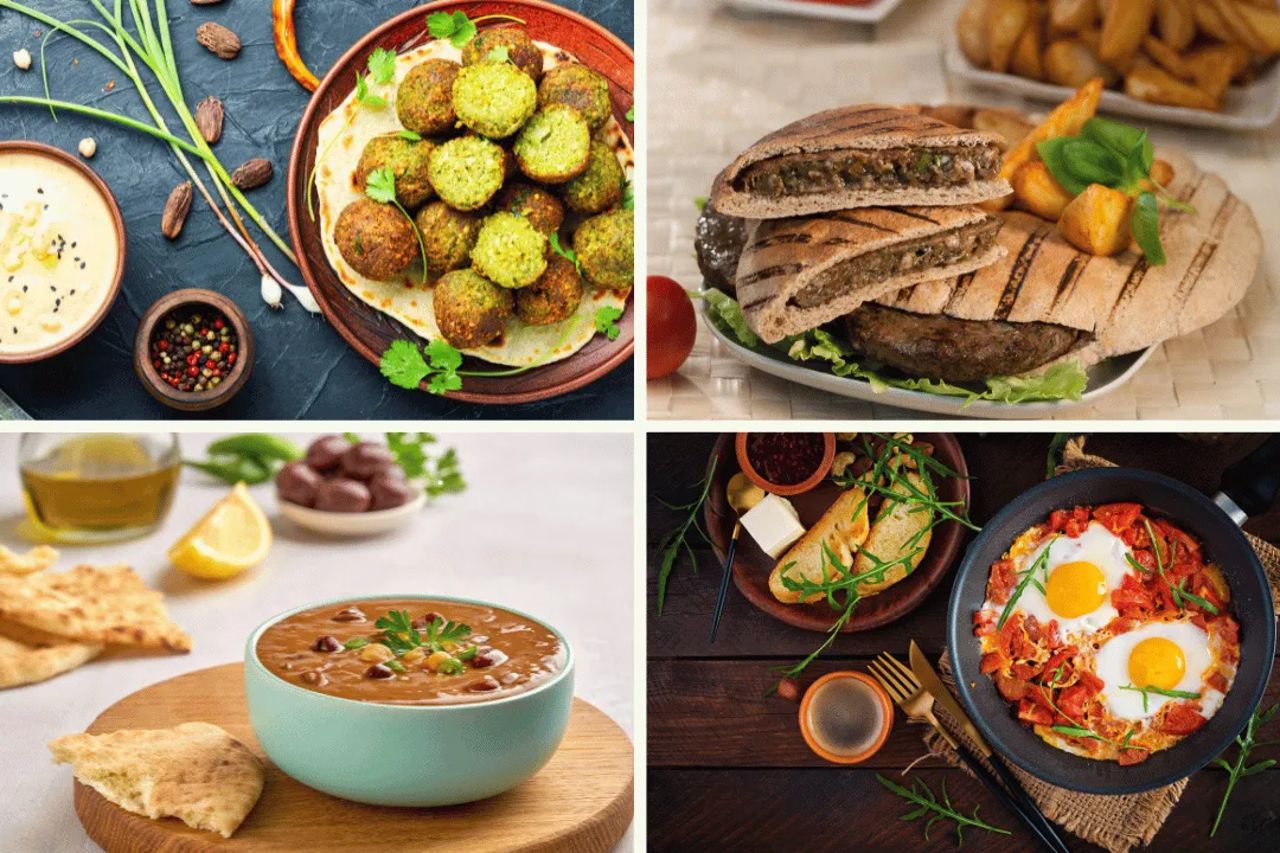
On the product sheet include: exact start and end times, meeting point, physical requirements (standing, kneeling, stairs), dietary announcements and sample menu items (koshari, ful medames, ta'ameya, molokhia, sayadeya in coastal programmes, Nubian tagen where relevant). Be explicit about language support and whether recipe notes are provided. For incentive groups, offer branded aprons or recipe booklets as options.
How can I add value and manage sustainability?
Value-adds that also support local communities: sourcing produce from Nile Delta cooperatives, partnering with certified small-scale fisheries on the Mediterranean, and offering visits to traditional bakeries that produce eish baladi. Encourage suppliers to minimise single-use plastics, source seasonal ingredients, and provide transparent information on ingredient provenance. For excursions that engage villages, structure small payments or donations through recognised community partners to avoid ad hoc cash distribution.
For practical market-based experiences and half-day options, coordinate with our team to check availability and capacity on specific dates. We can also provide sample menus, supplier profiles and operational risk assessments for tender submissions or RFPs—and we operate a range of ancillary services that make integration straightforward, from transfers to private guides and shore-side excursions. For shared examples of short add-ons, see our market excursions.
Next step: request a tailored quotation for your group profile and travel dates so we can confirm supplier availability and provide net rates and operational terms. Request net rates or contact us to discuss a sample itinerary and supplier options.