Egypt: Recent Archaeological Discoveries — Trade Brief
This briefing summarises operational implications of recent archaeological discoveries in Egypt for tour operators and agencies — access restrictions, interpretive opportunities and practical logistics for programme planning.
- Licence
- ETAA licence 718 · Category A
- IATA
- #90255546
- Operating
- Cairo · Luxor · Aswan · Red Sea · Alexandria
- Est.
- 1988
Recent excavation seasons across Saqqara, Luxor, Abydos and pockets of Greater Cairo have generated new finds that are attractive to specialist educational groups. For trade partners, the value of these discoveries lies less in publicity headlines and more in operational detail: permitted access windows, conservation-led visitor limits, and fresh interpretive content that can be integrated into itineraries.
How will recent discoveries affect site access and timings for my clients?
Newly excavated tombs and in-situ finds typically enter a controlled access phase. The Ministry of Tourism and Antiquities often restricts public entry to protect fragile contexts; access may be limited to small, timed groups or to supervised, curated viewings at adjacent museum spaces. For planning purposes assume:
- Advance notice: allow at least 6–8 weeks to confirm special access or after-hours visits with authorities.
- Group size and dwell time: many tomb contexts permit groups of 6–12 people for 10–30 minutes depending on ventilation and conservation protocols.
- Seasonal constraints: outdoor excavation areas are best visited October–April; high heat months reduce available morning-to-afternoon windows in Upper Egypt.
What permits and approvals will I need to secure?
Standard museum and site entry passes remain necessary, but special access, filming, photography (professional or drone), and commercial research require distinct permits from the Ministry of Tourism and Antiquities. Film and drone permits can take longer — budget 6–10 weeks. Your DMC should coordinate application paperwork, local liaison, and any required Egyptian archaeology specialist presence on the visit.
What on-site resources should I plan to provide my clients?
On-site delivery for educational groups benefits from a small set of reliable resources: licensed Egyptologist guides, handheld audio systems for social distancing and acoustically noisy sites, bottled water and shade for desert locations, and validated risk assessments. For programmes combining city and archaeological visits, consider staging briefings in conditioned spaces such as museum lecture rooms where available.
How should I structure educational content and interpretation?
Recent finds offer narrative hooks: changes in funerary practice, regional workshop evidence, or previously unknown workshops and artisans. Offer layered content for different client segments:
- Short professional briefings (30–45 minutes) for travel trade groups or lecturers focusing on archaeological methodology and conservation.
- Full-day scholarly programmes that combine site visits with curated museum sessions and a moderated Q&A with a field archaeologist.
- Public-friendly sessions with clear interpretive signage and hands-on comparative materials for non-specialist audiences.
We can embed Egyptologist-led sessions into a standard Egypt itinerary or design bespoke options; for river-based educational flows these work well alongside a tailored cruise programme.
How do logistics differ between major sites (Saqqara, Giza, Luxor)?
Each area has distinct operational notes:
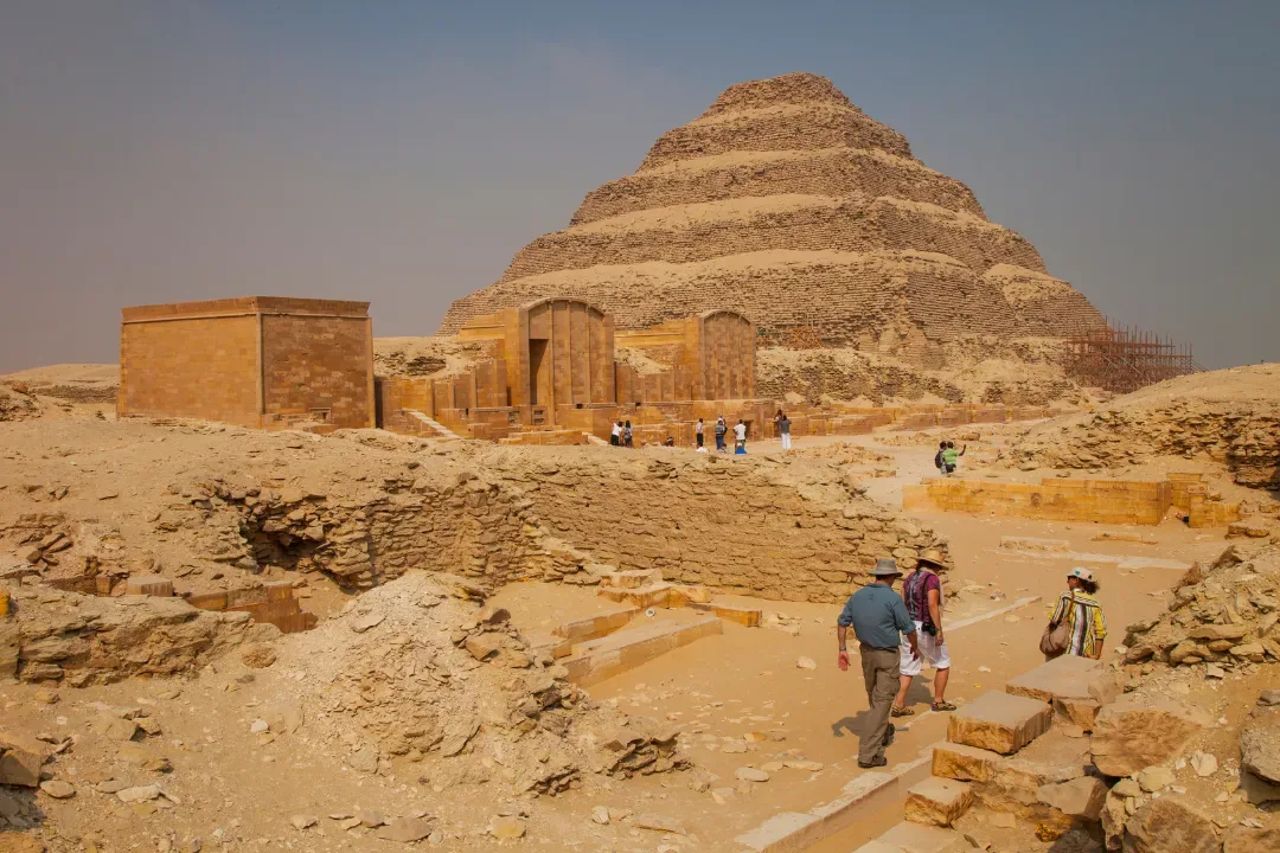
- Saqqara: ongoing excavations close areas unpredictably; allow buffer time and brief clients about dust and uneven terrain.
- Giza plateau: large-capacity site but pyramid interiors and nearby museum-access spaces can have separate queueing and permit needs.
- Luxor (West Bank): multiple tombs and temples require staggered scheduling to avoid overlap; some recently opened tombs have constrained lighting and permit limits.
Air connections (Cairo International, Luxor Airport, Aswan) and road transit times should be built into programmes with conservative margins to accommodate last-minute site restrictions.
Can these discoveries be combined with standard product lines?
Yes. New on-site content can augment classic Egypt tours or be integrated into specialist segments on a Nile cruise. For incentive, MICE or academic groups, consider bespoke itineraries via our private tailor-made service to ensure exclusive briefings and precise timing.
What operational risks should I communicate to clients?
Be explicit in pre-departure materials: temporary closures for conservation, limited facilities at excavation sites, and the likelihood of short-duration visits inside fragile contexts. Also advise on appropriate clothing, low-light photography limits, and the need for mobile-first program updates — site access can change with short notice.
Partner note: embedding current archaeological content strengthens the educational credibility of your programmes but requires tight operational management. Our team coordinates permits, licensed guides and specialist speakers, and will provide up-to-date site briefings and risk assessments tailored to your group profile.
To discuss a specialist archaeological itinerary, timetable options, or to request partner pricing and availability, please Request net rates and our operations team will respond with a proposal and required timelines.