
Transfers and Transport in Egypt: Operational Guide for Tour Operators
This briefing summarises operational options, constraints and supplier considerations for transfers and transport across Egypt. It is written for tour operators and travel partners planning multi-centre programmes and Nile-inclusive itineraries.
- Licence
- ETAA licence 718 · Category A
- IATA
- #90255546
- Operating
- Cairo · Luxor · Aswan · Red Sea · Alexandria
- Est.
- 1988
Efficient transfers are core to client satisfaction and to on-time programme delivery in Egypt. This briefing focuses on practical operational guidance — airport meet-and-greets, inter-city options, Nile embarkation logistics, vehicle standards, seasonal impacts and required lead times — so you can assemble reliable, sellable itineraries.
How should I manage airport meet-and-greets and transfers in Cairo?
Cairo International (CAI) is the principal hub. For incoming FITs and groups specify: a formal meet-and-greet with nameboard and English-speaking agent, luggage assistance, and an escort to the vehicle. Choose vehicles based on flight arrival dispersal — 2–3 smaller cars for staggered arrivals; minibuses or coaches for tight group arrivals. Allow for baggage collection time (45–60 minutes on busy days) and for traffic when setting pickup windows.
Operational notes:
- Terminal detail: confirm airline/terminal before finalising transfer timing; CAI operates multiple terminals with differing arrival lanes.
- Fast-track and VIP services are available on request for clients who require expedited immigration; book at least 72 hours in advance.
- Vehicle standards: air-conditioned, seat belts, clean presentation and driver with licence and professional ID. For children, specify boosters/child seats at booking.
What vehicle types and supplier standards should I specify?
Match vehicle to client profile and road conditions. Typical options:
- Sedan / SUV — 3 passengers + luggage, for VIP and airport pickups.
- Minivan — 6–9 passengers; common for small groups and shared transfers.
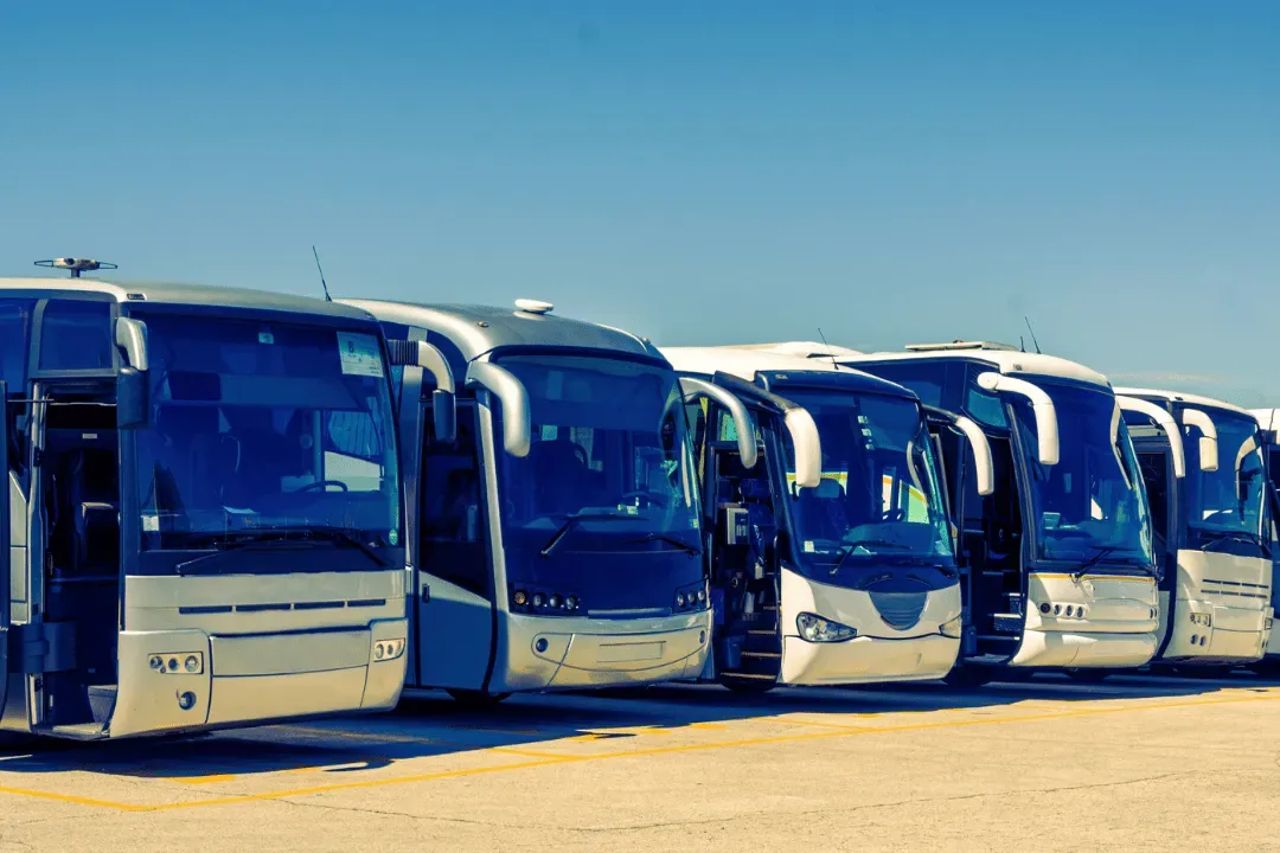
- Coach — 24–52 seats for larger groups; confirm coach size with parking/embarkation constraints at hotels and sites.
Work with suppliers that provide liability insurance, vehicle maintenance records and English-speaking drivers. For bespoke programmes, our ground transfers team can confirm driver rosters and vehicle manifests in advance.
Which intercity options best manage time versus experience?
Key corridors to consider are Cairo–Alexandria, Cairo–Luxor/Aswan and Cairo–Hurghada/Sharm El Sheikh.
- Cairo–Alexandria: 2.5–3.5 hours by road depending on traffic; suitable for day excursions with early departure. Trains run frequently and are a practical option for point-to-point logistics.
- Cairo–Luxor/Aswan: choose between domestic flights (45–90 minutes) for time-sensitive itineraries, or the overnight sleeper train for an experiential overnight transfer. For many programmes the optimal solution is a flight into Luxor or Aswan paired with a subsequent Nile cruise operations segment.
- Cairo–Red Sea resorts (Hurghada, Marsa Alam, Sharm El Sheikh): domestic flights reduce road time; road transfers range from 4–7 hours depending on origin and route.
When should I prescribe flights, trains or road transfers?
Use flights when schedules are tight or land arrangements are spread across distant nodes. Use trains for slower-paced, cost-effective transfers where overnight travel fits the programme. Use road transfers for regional connectivity and excursions where rail or flight options are limited. Always confirm flight schedules and train availability before selling — domestic schedules can change seasonally.
How do I plan Nile embarkation, daily cruise transfers and on-shore logistics?
Nile logistics require coordination across hotel check-out times, port embarkation windows and site permit timings (Valley of the Kings, Kom Ombo, Philae, Edfu). Plan buffer times for locks (Esna) and for peak-season disembarkations in Luxor and Aswan. For multi-night cruises, confirm luggage handling protocols at both embarkation and disembarkation point hotels.
Practical points:
- Embarkation: standard embarkation is mid-afternoon; allow for morning site visits and luggage transfer to cruise tenders.
- Feluccas and private boats: operate on the Nile banks in Luxor and Aswan for short excursions; ensure pilots are licensed and boats carry life jackets.
- Abu Simbel logistics: typically a 3.5–4 hour road transfer from Aswan; charter flights are possible but operate on limited schedules—confirm well in advance.
For integrated itineraries, coordinate with hotel partners to synchronise transfer windows; our hotel partners and Nile teams can assist with staggered check-outs and port logistics.
What seasonal and operational contingencies must I plan for?
Egyptian seasons affect operational details more than infrastructure. Summer (June–September) requires robust air conditioning and earlier start times for outdoor visits; winter (December–February) brings high demand and cooler mornings. Plan for:
- Ramadan — altered meal and service hours; some attractions and restaurants may operate reduced schedules.
- Rush-hour traffic in Cairo — avoid between 07:00–09:30 and 16:00–19:30 when scheduling airport or city transfers.
- Permit lead times — standard group site passes usually require 3–7 working days; filming or drone permissions need 7–14 days and local authority clearance.
How can a DMC reduce operational risk for my programme?
A local DMC coordinates driver allocation, backup vehicles, port and site permits, police or security escorts when needed, and real-time adjustments for flight delays or road incidents. Early confirmation windows, supplier SLAs and a clear day-by-day transfer manifest reduce last-minute exposure. For combined land-and-Nile programmes we provide integrated logistics so transfers are timed to cruise schedules and site opening hours — ask about our standard operating procedures and contingency planning.
For detailed, costed options including vehicle grades, sample manifests and typical lead times, request a tailored quote. Contact us to request rates and confirm availability: Request net rates.