
Health and Safety for Egypt Programmes
This briefing describes the operational health and safety systems Discovery Tours Egypt applies to trade programmes, covering governance, supplier standards, medical response and client communication. It is written for tour operators, agencies and MICE planners organising travel to Egypt.
- Licence
- ETAA licence 718 · Category A
- IATA
- #90255546
- Operating
- Cairo · Luxor · Aswan · Red Sea · Alexandria
- Est.
- 1988
As the organising partner on the ground, a DMC’s role is to translate regulatory requirements and medical guidance into practical procedures that protect your clients and preserve programme continuity. Below we set out the core systems Discovery Tours Egypt maintains so you can assess fit for purpose and integrate them into your operational planning and supplier contracts.
How is health and safety governed for client programmes?
We maintain a written Health & Safety Manual and an incident escalation protocol that apply to every contracted programme. Governance elements you should expect to see in our deliverables include:
- Assigned Health & Safety lead for each programme with 24/7 escalation contact.
- Alignment with guidance from the Egyptian Ministry of Health and the World Health Organization, updated as situations change (e.g., respiratory outbreaks, heatwave advisories).
- Programme-specific risk assessment and a one-page Operations Brief for guide teams and client managers.
- Insurance and liability documentation summaries for inclusion in your contracting pack.
What supplier standards and vetting are applied to hotels, transport and boats?
We apply a three-stage vetting process: pre-contract checks, on-boarding documentation, and annual re-audit. For accommodation we verify cleaning regimes, food-safety certification, emergency exits and local medical contacts. For scheduled programmes we use established partners; for bespoke requests we provide options and supplier dossiers.
Examples relevant to your programme planning:
- Hotels: we require documented housekeeping protocols, staff training records and a nominated hotel safety officer. Requests for specific safety measures (separate housekeeping schedules, designated elevator access, etc.) are included in contracting. See our partner list for preferred properties when booking through our hotel operations.
- Transfers and vehicles: all drivers and vehicles are checked for licence, insurance, and maintenance records. Vehicles carry first-aid kits and water; for long desert transfers we position support vehicles and satellite communication where required — details are included in our ground transfer procedures.
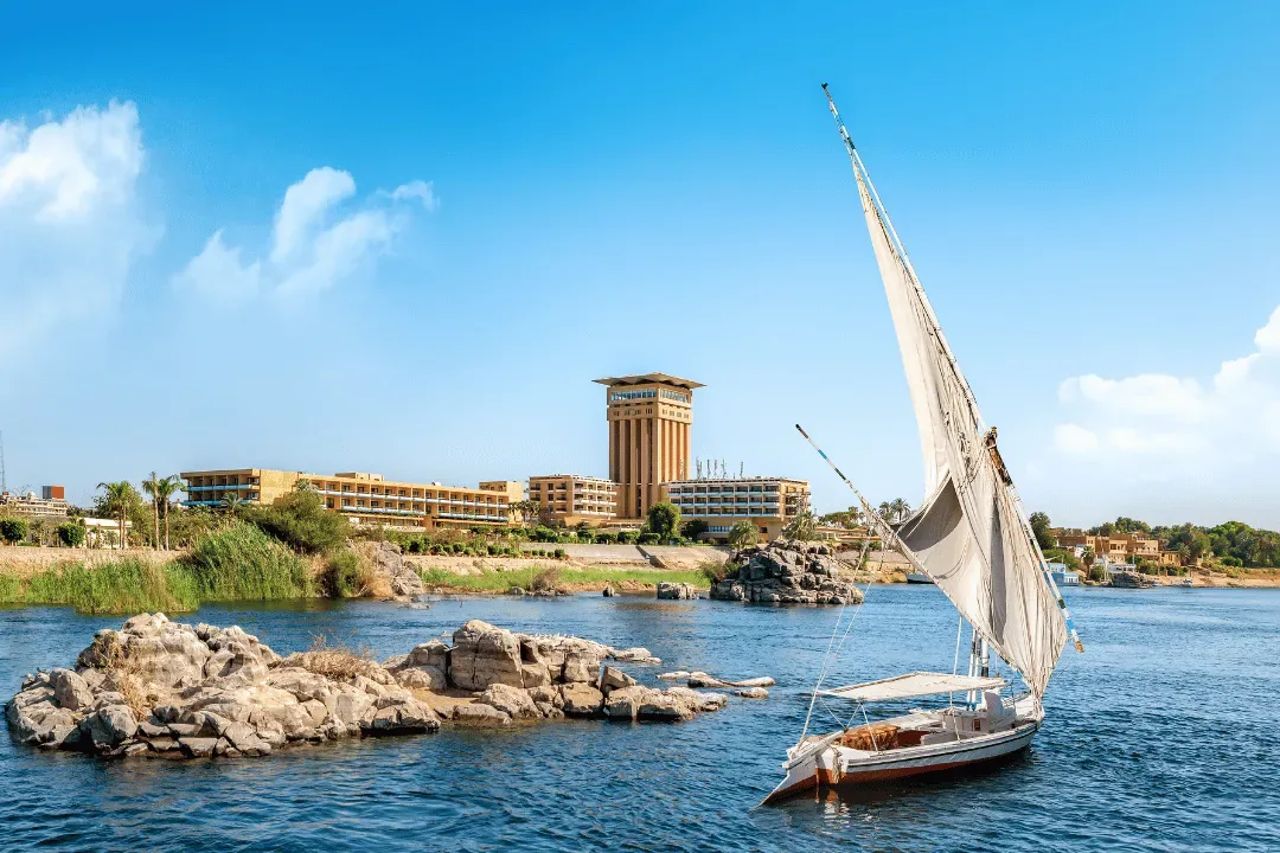
- Nile and river vessels: river vessel inspections include hygiene logs, life-saving appliances, and kitchen audit. We operate with established crews and documented safety drills; see our operational approach to Nile cruise operations for vessel-level standards.
How are medical incidents handled on-ground and for evacuations?
Medical response is tiered by severity:
- Minor incidents: managed locally by the guide with first aid and referral to a private clinic or pharmacy. Guides carry a standard first-aid kit and AEDs are placed where viable.
- Moderate incidents: clinic referral with transfer coordination and repatriation planning where necessary. We maintain relationships with private hospitals and international clinics in Cairo, Luxor and Aswan and can arrange direct-billing where contracts permit.
- Serious incidents: medevac or air ambulance mobilisation, coordination with insurers, and consular notification as required. We follow a documented medevac SOP and maintain a list of vetted air ambulance providers and nearest tertiary care hospitals.
For every incident we produce an incident report, timeline and corrective action note. These are shared with operator partners and insurers within agreed SLAs.
What training and monitoring do staff and guides receive?
All guides and operational staff receive role-specific training: first aid (including basic life support), communication protocols, and programme-specific health briefings (e.g., heat-management for summer Nile cruising, food-safety for local dining). Supervisors conduct daily briefings on active programmes and weekly compliance checks.
We also run monthly supplier workshops for hotels, vehicle operators and boat crews that cover hygiene, emergency evacuation, and client handling. Training records are available to partners on request.
What documentation and client communications will you receive?
We deliver a standard documentation pack for each programme that can be integrated into your client-facing materials. Typical inclusions:
- Operations Brief: on-trip emergency contacts, hospital list, nearest embassy/consulate contacts and medevac provider numbers.
- Supplier Certificates: copies of hotel safety policies, vehicle insurance cards and crew licences where applicable.
- Client Advisory Templates: pre-departure health advice, packing suggestions for heat and sun exposure, and sample on-tour briefing scripts for guides.
- Daily manifests and accommodation lists for tracking and contact tracing if required.
How can health and safety be adapted for MICE or specialist group requirements?
For conferences, incentives and high-volume groups we scale measures: dedicated on-site medical personnel, separate registration and arrival screening desks, and bespoke signage. We coordinate these services during planning and provide a detailed health and safety appendix in the event schedule so your on-site team and clients understand measures in place. These services are available as part of our tailored MICE packages and programme design.
Operational preparedness mitigates risk but also protects programme reputation and commercial continuity. We maintain an audit trail, corrective-action process and regular programme reviews so your team can demonstrate due diligence to travellers and insurers.
Next step: for specific programme quotations or to review our standard Health & Safety Manual, please Request net rates and we will provide documentation and a pre-contract risk review tailored to your itinerary.