
Seasonal Guide for Egypt Programmes
When planning Egypt programmes, seasonality drives client comfort, pricing and logistics. This briefing summarises climate and operational windows across Cairo, the Nile Valley, the Red Sea and the deserts to help you schedule and sell more effectively.
- Licence
- ETAA licence 718 · Category A
- IATA
- #90255546
- Operating
- Cairo · Luxor · Aswan · Red Sea · Alexandria
- Est.
- 1988
When is the best time to schedule Egypt programmes?
For most heritage and Nile-focused programmes plan between October and April. Temperatures are milder (daytime 20–30°C across Cairo and the Nile Valley), daylight hours are reliable for full-site visits, and demand from European and North American markets is highest. Peak months are December–February: expect higher rates and fuller hotels. Shoulder windows—late October–November and March–early April—often give a better balance of comfort, availability and value.
How does seasonality vary by region?
Cairo & Giza: Comfortable most of the year outside July–August when highs exceed 35°C. Dust events occur in March–April (Khamsin). Schedule outdoor monument visits in morning or late afternoon in summer.
Nile Valley (Luxor–Aswan): Winter and shoulder months are optimal for full-day archaeological touring. Summer (May–September) brings highs regularly above 40°C in Upper Egypt; plan early starts, cooled transport and shorter surface-times on site. Nile cruise occupancy shifts with the same pattern—book ahead for winter departures. For river product planning coordinate with repositioning windows and local festival dates; your DMC should advise on daily timing and embarkation logistics for reliable sightseeing. Other product types are covered in best time by tour type.
Red Sea (Hurghada, Sharm El Sheikh, Marsa Alam): Beach and diving remain viable year-round. Summer temperatures are high but water temperatures suit snorkelling/diving; winter brings clearer visibility and northerly winds that can affect Sharm. For active marine programmes align with local dive-operator seasons and equipment logistics.
Western Desert & Oases (Siwa, White Desert): Best visited October–April. Nights can be chilly in winter; Khamsin winds in spring can disrupt desert transfers and camping.
How should I set inventory, pricing and availability for peak, shoulder and low seasons?
Peak (Dec–Feb): contract early—rooms, Nile cabins and guided excursions book quickly. Negotiate release clauses and graduated rate bands for groups. Shoulder seasons: aim for promotional packages that combine heritage touring with short breaks at Red Sea resorts to move midweek inventory. Low season (Jun–Aug): leverage lower rates for long-stay packages, incentive travel and private tailor-made programmes, but clearly communicate heat mitigation measures to clients (early starts, shaded transport, cooled venues).
What operational risks should I plan for and how can a DMC mitigate them?
Khamsin (March–April): Short-lived sandstorms can reduce visibility, close open-air sites and affect air traffic. Include flexible timing in itineraries and contingency indoor alternatives (museums, air-conditioned workshops).
Ramadan: Dates shift yearly; during Ramadan daytime business rhythms change—some restaurants operate reduced hours and public services may be slower. For international clients, evening dining and cultural events increase after sunset. For MICE and incentive groups, adjust meal timing, working schedules and cultural briefings. Your DMC partner can advise on specific Ramadan calendars and local arrangements.
Domestic flight and ferry capacity: Domestic schedules (Cairo–Luxor–Aswan) expand in winter. During peak weeks flights and transfers sell out—secure blocks early and consider alternative routing via private charters or additional overnight stays to maintain schedule integrity.
Which months should I avoid or treat differently for specific product types?
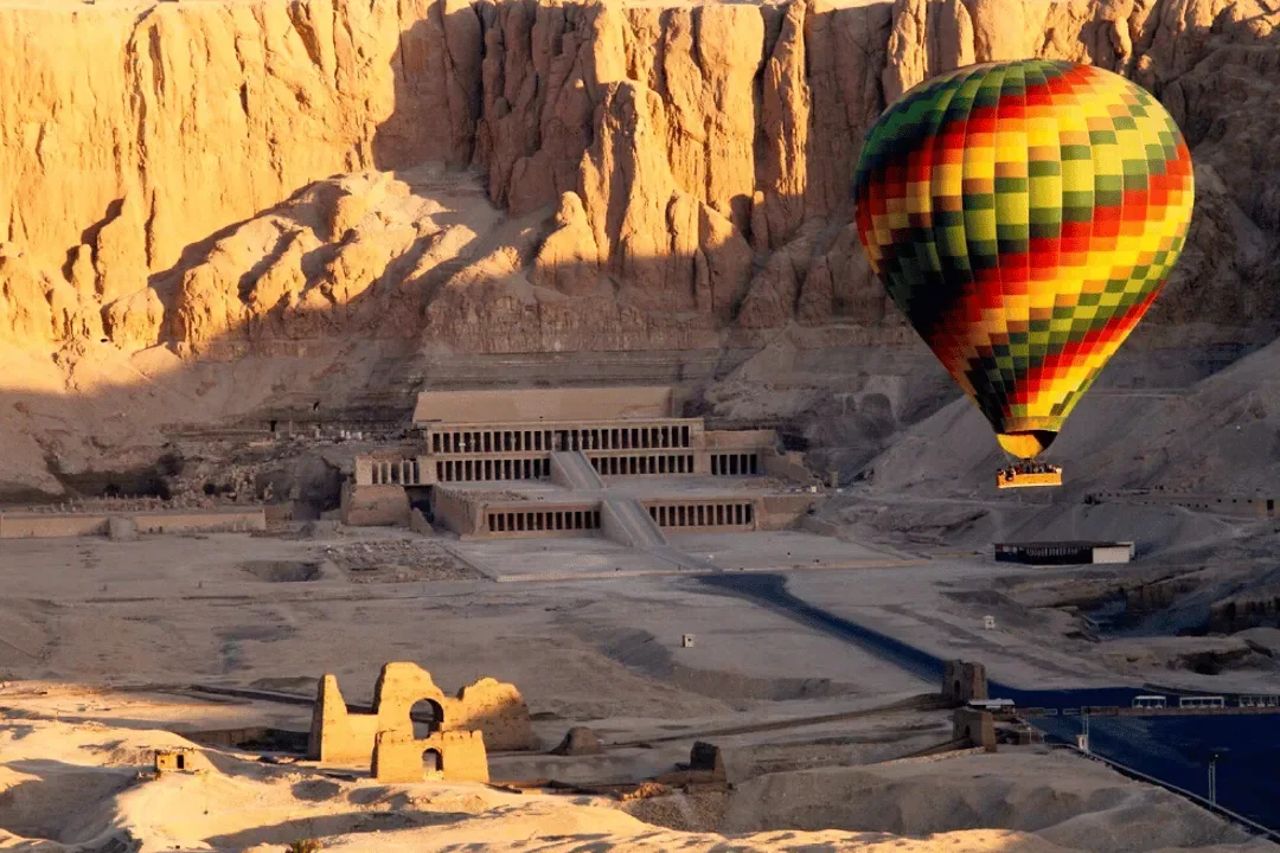
Hot-air balloons in Luxor: Run most of the year but can be grounded in high winds and poor visibility during Khamsin—build flexibility into morning activities.
Upper Egypt archaeological work: Excavation seasons and local festivals occasionally restrict access to sites or require special permits—coordinate with excavation authorities where applicable.
What practical recommendations should I give my clients and include in confirmations?
- State seasonal clothing expectations and provide a sample packing list by region and month.
- Include transfer buffer times for heat-sensitive road travel and domestic flight connections; confirm cooled vehicles for summer operations.
- Flag Ramadan dates on proposals and offer alternative evening programme options.
- Recommend travel insurance that covers weather-related delays and activity cancellations (e.g., balloon and dive closures).
- Use early-morning or late-afternoon windows for major outdoor sites in summer; reserve alternative indoor cultural visits.
How can you combine products to optimise seasonality and revenue?
Mix Nile cruising with a short Red Sea extension in shoulder months to smooth demand and increase length-of-stay. When selling river itineraries, present options for pre- or post-cruise beach days in Hurghada or Sharm to move shoulder inventory. Coordinate logistics with your operations partner—our Nile cruise operations and local Red Sea resorts and diving teams can bundle cabins, shore excursions and transfers. For day-to-day movement, confirm vehicle standards and timing with transfer planning to protect itineraries from heat or traffic impacts.
Seasonal planning reduces last-minute disruption and protects margins: secure early rates for peak travel, create clear client briefs for summer heat, and build operational contingencies for Khamsin and Ramadan. For a tailored rate proposal and operational plan for your upcoming Egypt programmes, request rates and availability through our DMC team.
Request net rates or contact us to discuss specific dates, group sizes and product combinations.