
Nile versus Lake Nasser: practical trade briefing for cruise programmes
This briefing compares operational, seasonal and product differences between Nile and Lake Nasser cruises to help you select the right option for your clients' Egypt programmes. It focuses on logistics, vessel types, client profiles and value-added shore delivery for trade partners.
- Licence
- ETAA licence 718 · Category A
- IATA
- #90255546
- Operating
- Cairo · Luxor · Aswan · Red Sea · Alexandria
- Est.
- 1988
For tour operators and agents assembling Egypt programmes, the choice between a Nile river cruise and a Lake Nasser expedition affects itinerary design, operating risk, client suitability and margin. Below I outline the practical differences you should weigh when selling, contracting or packaging either product.
What are the principal route and archaeological differences I should brief my clients on?
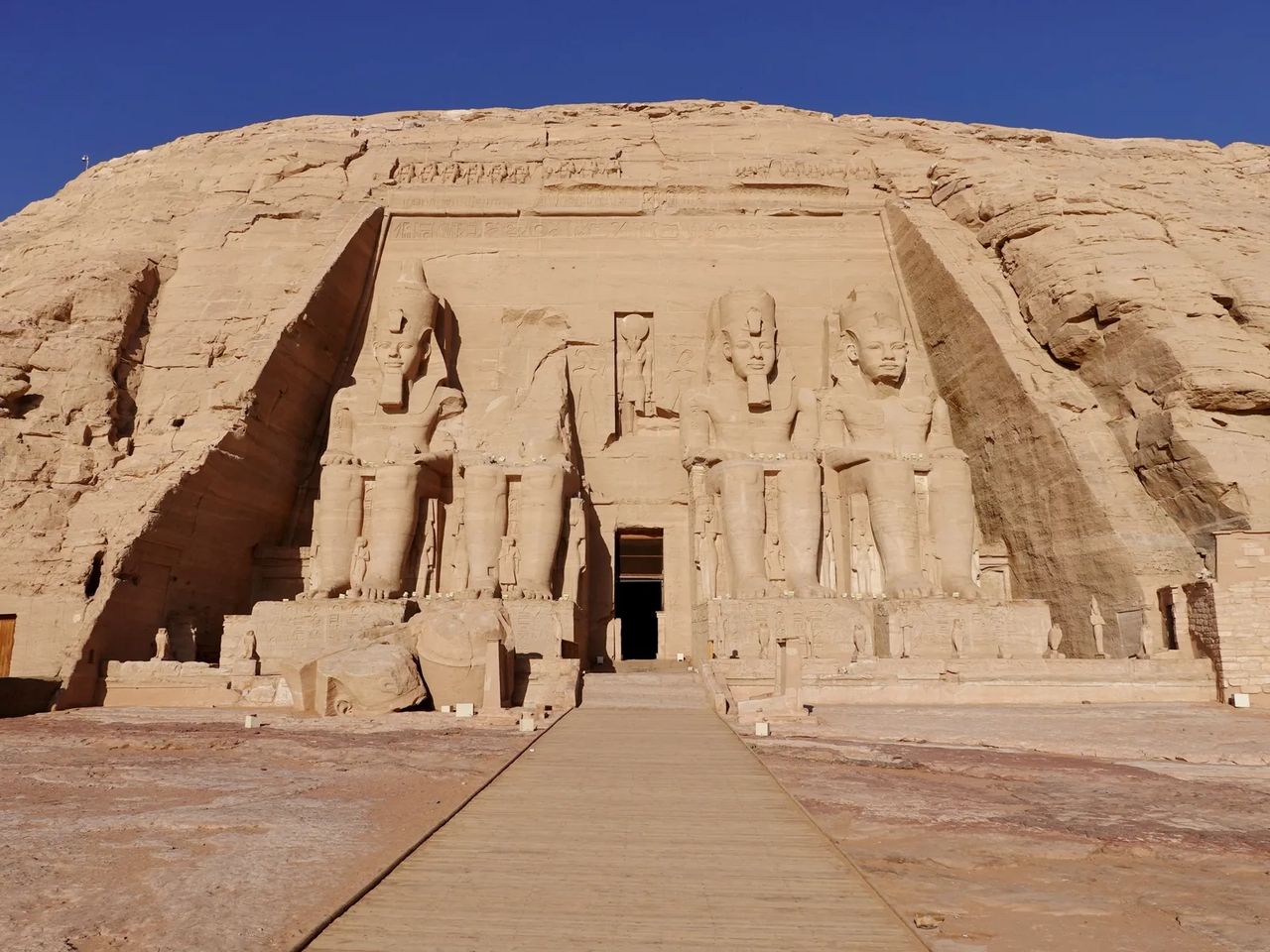
The classical Nile itinerary runs between Luxor and Aswan (or vice versa), calling at Karnak, Luxor Temple, the Valley of the Kings, Edfu, Kom Ombo and Philae. Shore excursions are short and frequent, typically 2–4 hours, and infrastructure (piers, sites, visitor services) is mature. Lake Nasser is an artificial reservoir created by the Aswan High Dam; cruises are expedition-style and typically operate between Aswan/Abu Simbel and Wadi el-Seboua, visiting relocated or isolated Nubian temples such as Abu Simbel, Kalabsha, Amada and Qasr Ibrim. Lake Nasser itineraries are longer, fewer daily landings, and include sites that are otherwise inaccessible on standard Nile runs.
How does access and travel time differ for key sites?
On the Nile the travel pattern is predictable: short road transfers, timed temple visits and established entry windows. Esna lock passage can affect timings south of Luxor. For Lake Nasser, expect longer tender transfers, fewer established berths, and in some cases longer road transfers for airport connections. Abu Simbel can be accessed by road (approx. 3–4 hours from Aswan) or by scheduled flight; chartered air transfers reduce transfer time but increase cost.
How do vessel types, capacities and onboard services compare?
Nile vessels range from small dahabiya and traditional feluccas to 3–5 star motor vessels with 40–120 passengers. They offer regular services, multiple cabin categories and standard hotel facilities. We operate dedicated options for different price points through our Nile cruise operations. Lake Nasser cruises are usually small expedition ships or purpose-built yachts with limited berths (often 10–40 guests). Services are simpler, focus on expedition logistics, and inventories are constrained. For incentive groups or private charters, consider full-ship hire which is often the only practical option on Lake Nasser.
What are the implications for inventory and pricing?
Lake Nasser capacity is limited: cabins are fewer and seasonally rigid, so pricing tends to be higher per cabin-night than comparable Nile options. Contracting windows should reflect this: secure Lake Nasser berths earlier, and consider minimum-stay pricing and single-supplement exposure when quoting. On the Nile, standard cabin inventory is larger, giving more flexibility with pricing and last-minute upgrades.
What operational and safety considerations should I factor into scheduling?
Lake Nasser itineraries operate in remote space adjacent to Sudan. Coordinate security clearances, local authority notifications and ensure vessels carry satellite communications and basic medical kit. Evacuation times to major medical facilities are longer; for groups with higher medical risk, factor medical evacuation insurance and emergency plans. On the Nile, emergency response and port infrastructure are generally faster; however, heat exposure (May–September) and high-season crowds affect site experience and logistical turnaround times.
Are there regulatory or conservation constraints I must know about?
Some Lake Nasser shore sites are within restricted or protected zones; landing permissions must be requested in advance. Photography, drone operations and archaeological access are regulated across both waterways—permit timelines vary and can affect scheduling for private visits or filming. Work closely with local authorities via your DMC partner to secure early approvals.
Which client types work best for each product?
Nile cruises suit first-time visitors, mixed-ability groups, and clients wanting a balance of comfort and daily cultural content. Lake Nasser best serves repeat visitors, specialist history or archaeology groups, high-net-worth clients seeking exclusivity, and incentive groups prepared to pay a premium for private-charter privacy. Both products can be combined into extended programmes with pre- or post-stays in Cairo or Red Sea extensions.
How can I add value and differentiate my offer?
Value-adds that sell well to trade buyers include: private Egyptologist-led visits at unscheduled hours; photographic-guided sessions at Abu Simbel sunrise; targeted excursions that incorporate local Nubian village visits; and bespoke shore programmes created to client brief. For bespoke charters and tailored routing, work through our private tailor-made charters. Use curated land activities from our excursions catalogue to create layered add-ons and ancillaries that increase basket value.
Booking and operational recommendations: secure Lake Nasser berths 9–12 months ahead for peak windows; for Nile five-star cabin inventory plan 12–18 months ahead for high season (Oct–Apr). For safety and guest experience, embed contingency time for transfer delays, lock passage and heat-related schedule changes. For MICE or incentive groups, consider full-ship charter to control logistics, branding and F&B.
What are standard embarkation and disembarkation windows?
On most scheduled Nile cruises the standard embarkation window is 13:00–15:00 and disembarkation 07:00–09:00. Operate to these windows when allocating flights and hotel nights. If embedding early‑morning excursions on embarkation day, confirm with the vessel: some operators allow early baggage drop but strict security and port procedures still apply.
How should you plan client arrival timing relative to embarkation?
- Preferred: arrive the day before embarkation to provide a full buffer for international flights, visa formalities and unexpected delays.
- If same‑day arrival is unavoidable: mandate a minimum 4‑hour buffer between scheduled flight arrival and cruise embarkation; use meet‑and‑greet and priority transfer services.
- For FITs and small groups consider private car or coach transfers to control timings and avoid public taxi variability.
What are practical rules for transfers: airports, hotels and river terminals?
Key points by location:
- Cairo (CAI) — international gateway. Domestic connections to Luxor (LXR) and Aswan (ASW) are frequent; if your clients transfer in Cairo, allow 3–4 hours for international‑to‑domestic connections and baggage rechecks.
- Luxor (LXR) — river berths are near the Corniche and Luxor Temple. East Bank/West Bank logistics require additional time when visiting both sides (allow 45–90 minutes for crossings and local transfers).
- Aswan (ASW) — the cruise terminal is on the Corniche adjacent to the city centre. Road transfers to Abu Simbel are long (approx. 3–3.5 hours each way by road) and usually scheduled as full‑day excursions.
Discovery Tours Egypt coordinates Nile cruise operations with meet‑and‑greet teams at LXR and ASW and provides controlled airport‑hotel‑ship transfers to minimise late arrivals and to manage luggage handling and port formalities.
For vessel contracting and cruise operations see Nile cruise services, and for the small-boat format see Dahabiya cruises.
For a programme-specific quotation or to discuss charter options and operational constraints for a particular departure window, request rates or contact our operations team so we can align vessel availability, permissions and shore delivery to your client brief. Request net rates or contact us to start planning.