
Tailored Egypt Tours: Creating Custom Itineraries for Clients
This briefing sets out practical guidance for travel partners designing bespoke Egypt programmes: seasons, logistics, permissions and sample modules to shape saleable itineraries for your clients.
- Licence
- ETAA licence 718 · Category A
- IATA
- #90255546
- Operating
- Cairo · Luxor · Aswan · Red Sea · Alexandria
- Est.
- 1988
Scope: Guidance for trade partners creating tailor-made Egypt itineraries across Cairo, the Nile corridor, Upper Egypt, the Red Sea and desert destinations. Focus is on operational considerations, lead times, and product modules you can combine to suit different client segments.
How should I structure a bespoke Egypt programme for different client profiles?
Start with a clear client brief: travel dates, pace, accessibility needs, interests (ancient sites, culture, diving, wellness), accommodation standard and any private-access priorities. Common trade modules that combine well are:
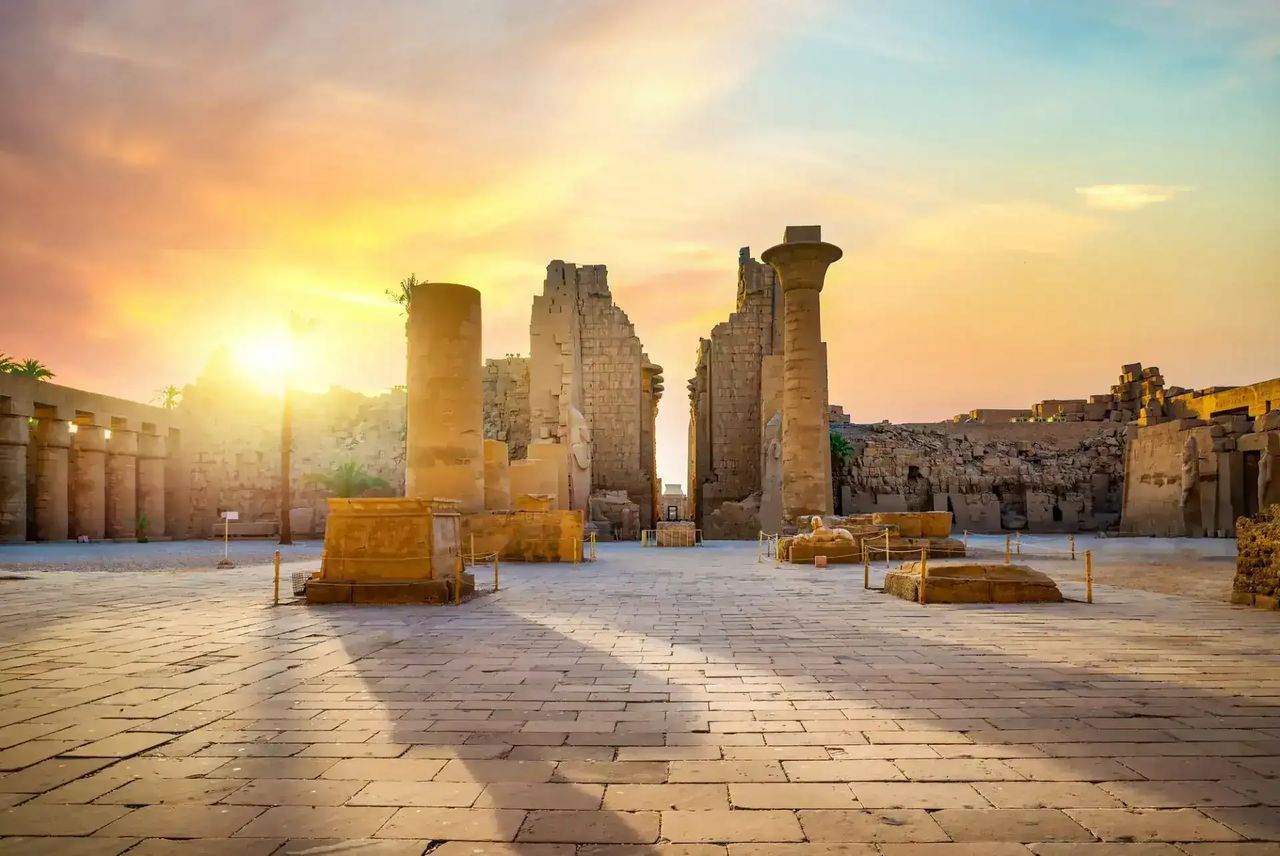
- Classic 7–9 day: Cairo (Giza, Egyptian Museum or Grand Egyptian Museum), fly to Luxor (Karnak, Valley of the Kings), cruise or transfer to Aswan.
- Nile cruise module (3–7 nights): tailored for comfort level and landing sites — link to Nile cruise operations for vessel options and sample routings.
- Extended culture + coast (10–14 days): Cairo and Nile + Red Sea beach extension (Hurghada, Marsa Alam, Sharm El Sheikh) with diving or resort rest.
- Experiential and active modules: Dahabiya river voyages, Siwa and Western Desert, White Desert expeditions, or Lake Nasser cruises.
Assemble a base itinerary and then add optional pre- or post- extensions for clients who want private dining at a temple, behind-the-scenes museum access or tailored shore excursions.
What are the key seasonal and scheduling considerations I should plan for?
The conventional operating season runs October–April: temperate days, cooler nights. Summer (May–September) is high heat in Upper Egypt; it can be a selling point for lower rates and quieter sites but requires shading, hydration protocols and early-morning site visits. Ramadan affects opening hours, F&B availability and local scheduling across the country—plan culturally appropriate programming and advise clients in advance.
For high-demand products (private after-hours access, hot-air balloons in Luxor, Grand Egyptian Museum timed entries), allow longer lead times; some exclusive permissions require 8–12 weeks or more. International flight schedules, domestic flights (Cairo–Luxor–Aswan) and local airport slots also influence routings.
Which logistics and supplier elements most affect on-ground reliability?
Three operational areas determine reliability: transfers and ground transport, accommodation standards and local guiding/permit arrangements.
- Transfers and internal flights: book private transfers and domestic flights early, especially during national holidays. Use vetted suppliers for road transfers and airport fast-track; see our transfer options for typical configurations and vehicle capacities.
- Accommodation: match product to client expectation (city luxury in Zamalek or Giza, historic properties on the Nile, resort standards on the Red Sea). Confirm views and room categories in writing; for groups, reserve allotments with cut-off dates—see our hotel sourcing options.
- Guides and ground staff: Egypt-specific site knowledge, languages and guiding ratios matter. For specialised access (archaeological briefings, curator-led tours), confirm availability and fees in advance.
What permissions and exclusive-access considerations should I account for?
Private openings, after-hours visits, film and drone permits are managed through national and local authorities and frequently require ministry-level approvals. Typical timelines:
- Standard timed-entry reservations: 1–4 weeks.
- Private or after-hours openings, special events: 6–12+ weeks, depending on site and scale.
- Filming/photography or drone approvals: separate permit processes and insurance requirements; confirm at contracting stage.
Budget for permit fees, escort requirements and any site-imposed limits on group sizes. For curated archaeological access, involve an Egyptologist early to secure slots and to develop the client-facing narrative.
How can I create differentiated, saleable product for different market segments?
Differentiate on three axes: access, comfort and specificity.
- Access: private tomb access, curator talks, meal inside a historical venue.
- Comfort: bespoke transport, upgraded cabins on the Nile, private lounges, early check-ins.
- Specificity: thematic journeys—archaeology, photography, family-focused, wellness, MICE incentives.
Combine smaller, high-value add-ons (private guiding, specialised workshops, chef-led experiences) with standard sightseeing to increase yield and perceived value while keeping base prices competitive.
What practical lead times and contingencies should I set with suppliers?
Book high-demand services (Nile vessel, premium hotels, internal flights) 6–9 months out for peak windows; 3–4 months can work for shoulder season. Build contingency clauses for late schedule changes and include local emergency contacts. Ensure supplier contracts define cancellation penalties and force majeure conditions in line with your booking terms.
For complex MICE or incentive programmes, collaborate with on-ground teams for rehearsals, site visits and run-throughs; use our MICE capability for logistics and staging.
Final practical note: keep clear client communications about visa requirements, health recommendations and cultural expectations. Preparing travellers in advance reduces on-ground friction and raises satisfaction scores.
What cost-management and contracting practices should partners expect?
We recommend net rates from the DMC with transparent mark-ups for your agency. Standard practice: deposit on confirmation (often 25–30%), balance 30–60 days prior to arrival, and bespoke cancellation terms depending on supplier policies. Pricing drivers include domestic flights, peak-season hotel surcharges, private transfers and specialist access fees (e.g., private tomb entry or museum after-hours). We issue pro forma invoices that itemise supplier costs and local taxes to simplify reconciliation.
For the commercial offer behind this briefing, see our private and tailor-made services.
To develop a proposal from a sample module or to cost a fully bespoke programme, request a rates package or contact our planning team; we provide detailed costing, supplier options and sample itineraries to suit your clients' needs. Request net rates or contact us to begin a tailored proposal.