Insight · Cultural programmes
Culturally Rich Programmes for Egypt — Trade Briefing
This briefing defines how trade partners can construct culturally rich, operationally reliable Egypt programmes that respect local communities and heritage. It covers target clients, seasonal windows, supplier selection and impact measurement.
Class A · Ministry of Tourism
#718
#90255546
Cairo · Luxor · Aswan · Red Sea · Alexandria
1988
This briefing is for tour operators, OTAs and MICE planners preparing culturally focused Egypt programmes. It brings together practical considerations: which experiences scale, how to coordinate with local stakeholders, seasonality, on-the-ground logistics and simple metrics to evidence benefit to communities and clients.
What client profiles suit culturally rich Egypt programmes?
Define the level of engagement early. Typical trade segments that convert well are:
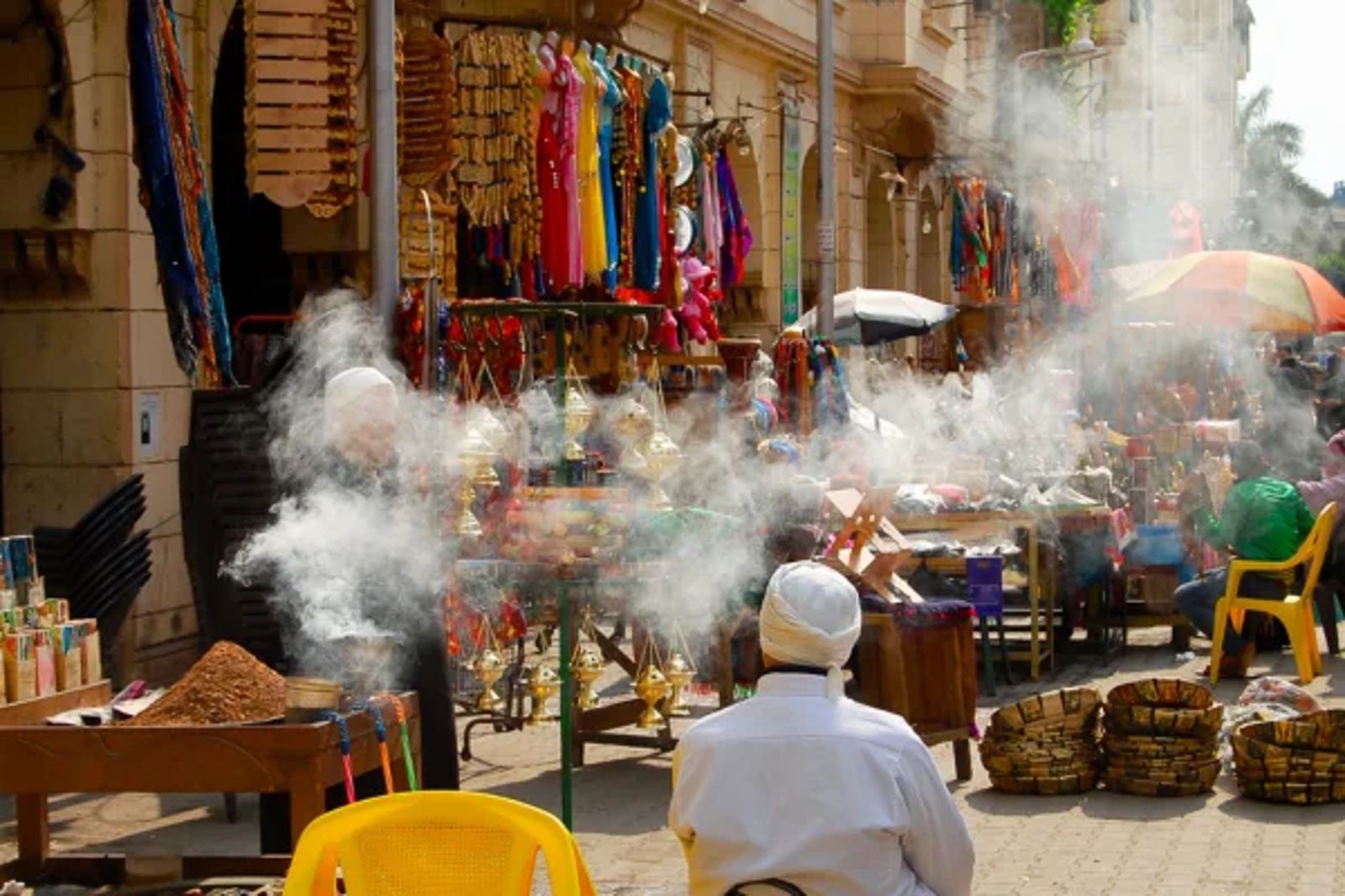
- Culture-curious FITs and small groups who want guided, interpretive visits in Cairo (Egyptian Museum, Khan el-Khalili) and Luxor (Karnak, Luxor Temple, Valley of the Kings).
- Specialist interest groups — archaeology, photography, culinary — that require longer site access windows and specialist Egyptologist guides.
- MICE and incentive groups seeking high-impact yet short cultural insertions: private after-hours museum access, heritage dinners in restored Ottoman houses or Nubian village visits near Aswan.
Match programme length to client interest: 3–4 days for themed city breaks (Cairo or Alexandria), 6–9 days for combined Cairo–Luxor–Aswan, 7–14 days for deeper regional itineraries that include Siwa, Nubia or the Western Desert.
Which seasons and windows are best for cultural engagement?
Seasonal planning affects comfort, crowding and authenticity. Practical windows:
- High season (October–April): cooler, reliable for long overland transfers and extended visits to Luxor and Aswan. Ideal for Nile-cruise centred itineraries and outdoor community visits.
- Shoulder months (September, May): useful for lower rates; short early-morning or late-afternoon cultural activity windows limit heat exposure.
- Summer (June–August): restricts strenuous outdoor activities in Upper Egypt; move cultural engagement indoors (workshops, kitchens, museums) or use early-morning schedules.
- Religious and civic observances: Ramadan impacts meal service, opening hours and crowd patterns; Moulids and public holidays change availability for markets and community hosts. Factor these into itineraries and present clear expectations to clients.
How do you select and contract local partners?
Reliable local partnerships underpin delivery and client satisfaction. Steps we recommend:
- Segment suppliers by function: licensed Egyptologist guides, community enterprise hosts, experienced museum coordinators, accommodation providers with heritage credentials. For multi-day river programmes, coordinate with experienced operators for vessel provisioning — see our Nile cruise operations for examples of combined logistics.
- Vet for capacity and compliance: check Ministry of Tourism and Antiquities permissions for special access, confirm guide licensing and ask for sample risk assessments and emergency plans.
- Negotiate clear deliverables: written inclusions for site access windows, interpretation language, transport punctuality and guest group sizes. This reduces scope creep and protects margins.
- Prefer long-term, equitable agreements: block contracts with community cooperatives or artisan workshops stabilize pricing and ensure benefits flow locally. For clearly tailored land packages, integrate with your core itinerary (compare with our classic tours capabilities).
What operational considerations ensure respectful cultural engagement?
Operational protocols preserve heritage and manage expectations:
- Client briefing materials: supply succinct notes on etiquette, photography policies at religious sites, appropriate dress (e.g., conservative clothing in mosques) and tipping conventions.
- Timing and flow: schedule community visits outside prayer times and market peak hours; use early or late site access to avoid crowds at major monuments.
- Transportation and staging: plan transfers with contingency for Cairo traffic and Upper Egypt rail or air options. Coordinate transfers with experienced teams — consider integrating local transfer suppliers to guarantee punctuality.
- Quality of interpretation: use certified Egyptologists for archaeological sites and trained cultural interpreters for living heritage. A good interpreter reduces questions to logistics during visits and deepens client satisfaction.
How can programmes be made sustainable and measurable?
Operators increasingly require evidence of positive impact. Practical measures:
- Track direct spend: quantify bookings with local accommodation, meals with family restaurants and paid community experiences.
- Use simple client feedback tools: post-tour questionnaires focused on perceived authenticity, educational value and comfort with community interactions.
- Partner with certified initiatives: where possible, choose suppliers that follow a recognised protocol for community benefit and environmental stewardship; integrate sustainable options into the product offer (see our eco-sustainable services for approaches applicable to sensitive areas such as Siwa and the White Desert).
How should you package and sell culturally rich Egypt programmes?
Position the product with clear benefits to the buyer and the end client: specify learning outcomes (e.g., 'Egyptology-led site interpretation'), operational guarantees (guide-to-client ratios, private access windows) and transparent pricing for third-party services. Use modular add-ons — community workshop, private museum evening — to preserve margin and offer upgrades.
For bespoke implementation, integrate these cultural modules into broader land packages or river options; for example, combine a tailored 7-day Cairo–Luxor sequence with a specialist interpretive team and evening cultural programme to create differentiated premium product lines.
If you would like a rate sheet or a programme costing for a specific itinerary, request a tailored quotation and supplier options via our Request net rates service. We will include operational notes, recommended supplier profiles and suggested client briefings.