
Sustainable travel for Egypt programmes
Sustainable travel in Egypt focuses on reducing heritage risk, supporting local communities and managing operational impacts across monuments, coasts and deserts. This briefing gives concrete measures for tour operators and agents to embed sustainability in Egypt programmes. For a wider view, see our practical sustainable tourism briefing.
- Licence
- ETAA licence 718 · Category A
- IATA
- #90255546
- Operating
- Cairo · Luxor · Aswan · Red Sea · Alexandria
- Est.
- 1988
Scope: Practical, programme-level actions travel trade teams can apply when contracting suppliers, designing itineraries and briefing clients in Egypt. Covers monuments (Giza, Saqqara, Luxor/Karnak, Valley of the Kings), coastal environments (Red Sea), Nile operations and desert/remote communities.
What operational risks should we manage at archaeological sites?
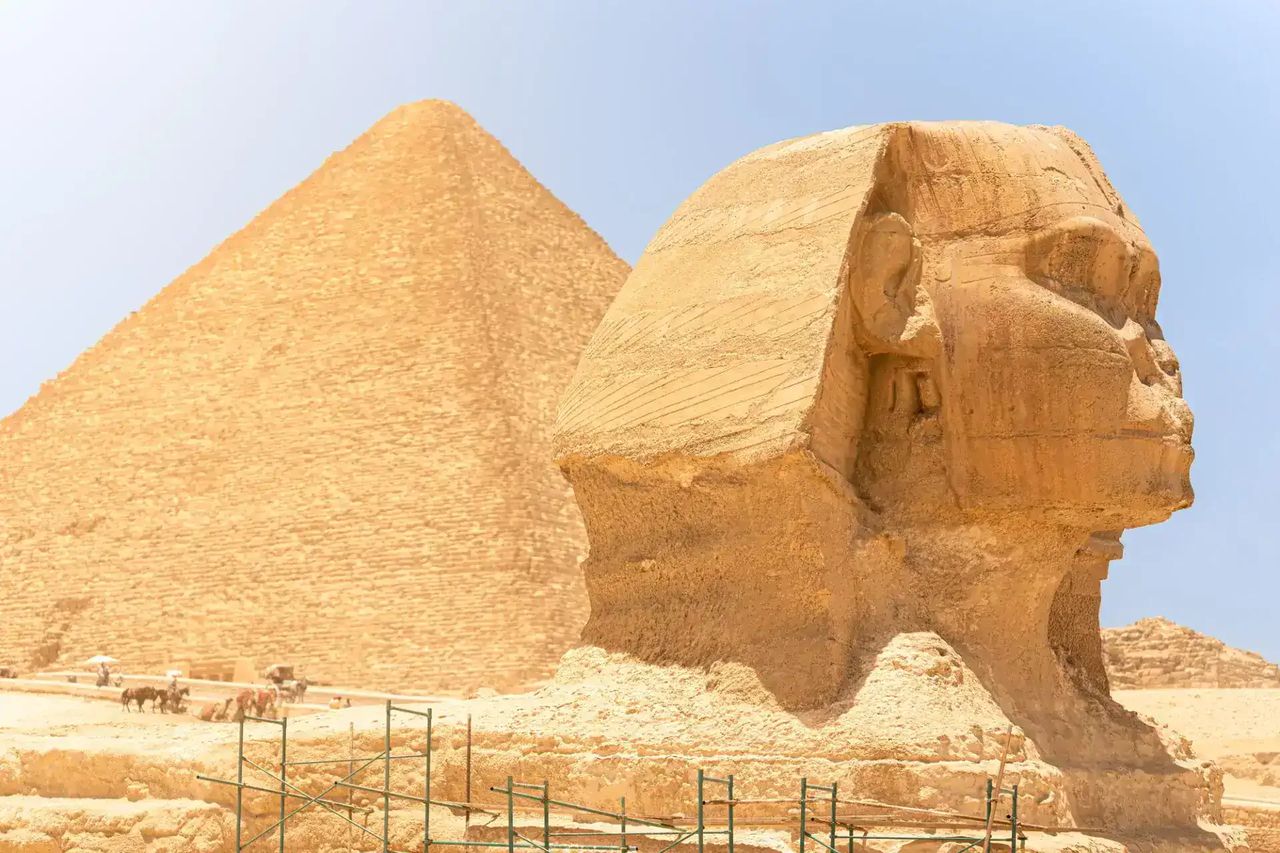
Primary risks are physical wear, inappropriate visitor behaviour and uncontrolled commercial activity. For high-traffic nodes (Giza plateau, Luxor Temple, Karnak, Valley of the Kings) your programme should include: controlled group sizes; fixed arrival and departure windows to avoid peak congestion (many sites are busiest 09:00–12:00 and late afternoon); and mandatory local guide briefings that stress non-touching, no-flash photography when required, and use of designated pathways.
Contractually require guides and ground teams to follow site regulations issued by the Ministry of Tourism and Antiquities (permits, filming rights, licensed guide rules). Build enforcement checkpoints into your supplier briefings—hotels, transfer teams and guides must know how to manage late arrivals and coach parking without encroaching on protected zones.
How do we reduce environmental impact for Nile and coastal operations?
On the Nile, focus on solid and liquid waste protocols, fuel handling and shore-side engagement. Ensure Nile cruise partners operate with waste segregation, approved sewage treatment systems and documented waste disposal chains. Where you include overnight options, specify fuel storage standards and use of low-sulphur fuel where available. Our experience in programme design shows measurable gains when cruise operators publish their waste-management procedures and allow audits.
For reef areas (Hurghada, Marsa Alam, Sharm, Dahab) require dive and snorkel operators to use mooring buoys rather than anchors, adopt no-take advisories for sensitive reef zones, and use guides certified in reef conservation (PADI AWARE or equivalent). When marketing coastal elements, avoid combining heavy beach days with fragile-reef snorkelling on the same day to reduce pressure on receiving communities and ecosystems. See how we integrate marine itineraries into programmes via our Red Sea itineraries.
What should be specified for Nile cruise suppliers?
In contracts with cruise operators specify: blackwater treatment method, frequency of waste offload, inventory of single-use plastics carried onboard, and contingency plans for medical evacuations. Require evidence of routine hull and engine maintenance to reduce fuel leaks and optimise consumption. For packaged offers, position night-time anchoring and shore visits to respect riverside agricultural activity and private land use. For turnkey Nile itineraries we manage these controls through our Nile cruise operations protocols and supplier vetting.
How do we ensure social and economic benefits reach local communities?
Embed community benefit clauses in supplier agreements: local hire targets (guides, drivers, hospitality staff), procurement of local produce and crafts, and transparent community-levy contributions tied to visitor numbers for specific community projects. In destinations such as Siwa, Nubian villages on the Nile, or Luxor’s artisan quarters, structure visits as managed interactions—booked demonstrations, time-limited market visits and pre-agreed photography permissions—to avoid commodification and unplanned pressure on households.
Request evidence from hotels and excursion partners of direct community engagement (employment data, procurement percentages, small-business partnerships). Where possible, favour suppliers with certified community or labour practices and include those metrics in post-tour reporting.
How should agents set supplier standards and monitoring?
- Include clear sustainability clauses in RFPs: waste handling, water use, local employment, and cultural-site protocols.
- Require annual self-assessments and independent spot-audits for key suppliers (hotels, cruise lines, dive operators). Use standardised checklists and scorecards to compare offers.
- Integrate a light-touch on-tour monitoring process: guide debrief logs, client feedback forms that ask specific sustainability questions, and incident reporting pathways.
For practical supplier sourcing, we maintain a searchable portfolio of vetted properties—request options from our hotel partners for programmes where water and energy performance matter most.
How do seasonality and routing reduce pressure on sites?
Schedule time-sensitive visits to spread load: early-season shoulder months (October–November, February–March) reduce peak pressure compared with December–January and the high mid-winter weeks. During summer (June–August) shift programming to Red Sea and higher-elevation desert itineraries, using nights for cooler comfort and fewer indoor museum visits during peak heat. For Luxor and Aswan, favour morning rituals at Valley of the Kings and evening temple-lighting experiences that preserve daylight access for larger groups.
How do we communicate sustainability expectations to clients?
Provide agents with a short, clear client briefing to be shared pre-departure: site behaviour rules, why certain sites require restricted access, water-saving requests, and guidance on tipping and buying from authorised vendors. Reinforce the message on arrival briefings and encourage clients to select programme elements that carry verified sustainability practices.
Discovery Tours Egypt supports trade partners with supplier vetting, contract clauses, operational checklists and on-the-ground compliance. We integrate sustainability clauses into RFPs and produce post-programme reports you can share with clients and bookers.
If you would like sample supplier clauses, audited partner lists or a costed sustainable upgrade for a specific itinerary, request rates or contact our sales team via Request net rates and we will prepare trade-ready documentation and options tailored to your programme.