Insight · Programme design
Custom Egypt programmes for travel trade
This briefing explains how travel trade partners can design and operationalise bespoke Egypt programmes that match client profiles, manage seasonality and secure site access using trusted local suppliers.
Class A · Ministry of Tourism
#718
#90255546
Cairo · Luxor · Aswan · Red Sea · Alexandria
1988
Delivering customised Egypt programmes demands both product clarity and operational precision. Your clients expect itineraries that balance iconic visits (Giza, Luxor, Valley of the Kings) with manageable logistics, clear pacing and reliable supplier standards. This briefing focuses on the design choices and on-the-ground controls that reduce risk and increase conversion for trade partners.
How should I segment clients and package modules for Egypt?
Segment by travel purpose and mobility: archaeology-led, luxury Nile clients, active/adventure, family, and beach extensions. Typical modules that sell well to agents are:
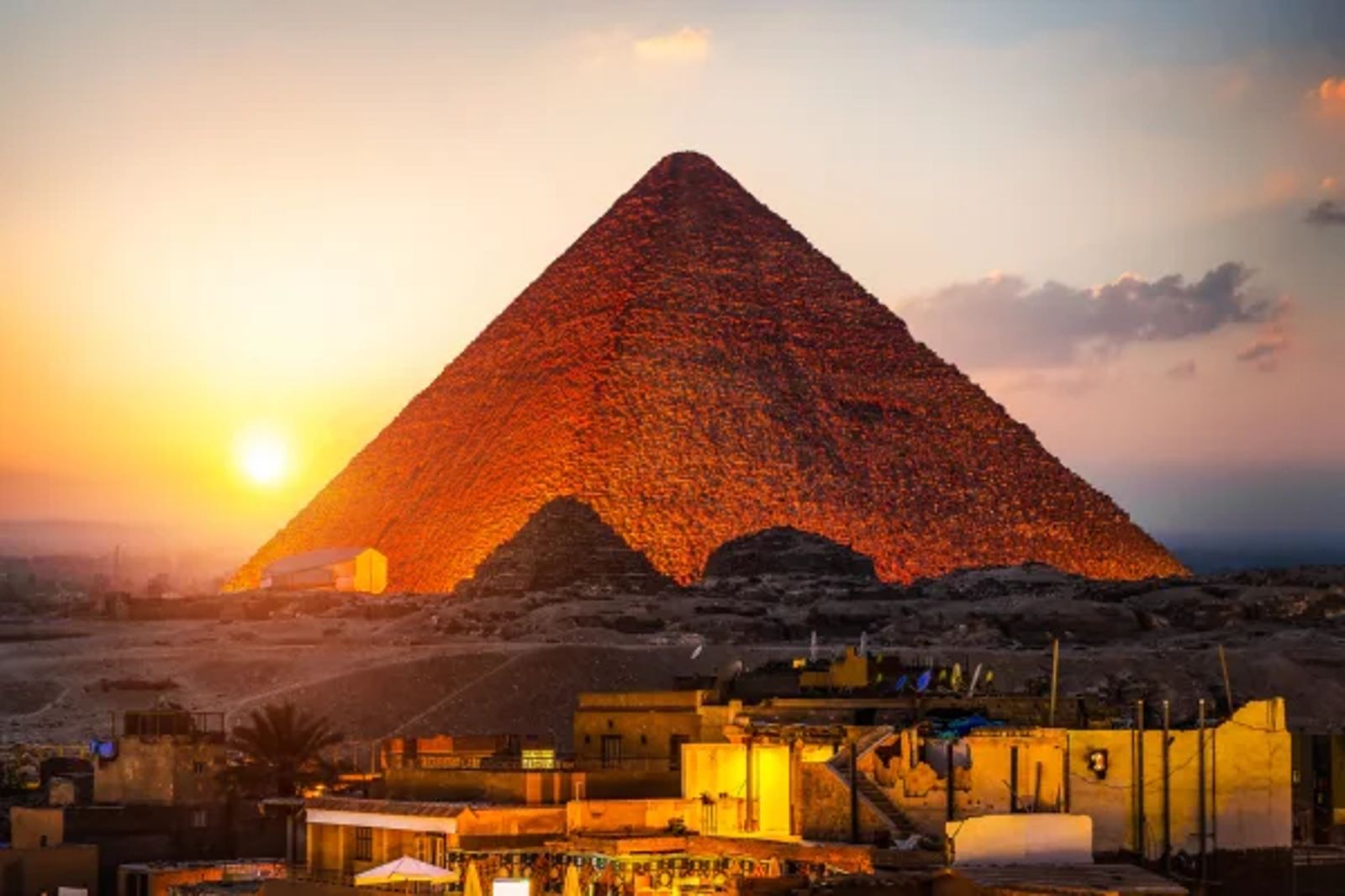
- Cairo city + museums: 2–3 days for the Giza Plateau, the Grand Egyptian Museum/Giza-area access, Egyptian Museum in Tahrir, and a neighbourhood walk in Coptic Cairo.
- Nile cruise module: 3–4 night upper Nile cruises (Luxor–Aswan) or tailor-made dahabiya options for high-end clients; combine with Nile cruise operations logistics for embarkation, tendering and shore excursions.
- Deep south extension: Abu Simbel (flight or road transfer via Aswan) and Nubian village visits.
- Red Sea add-on: Hurghada, Soma Bay or Safaga for diving and beach rest days.
- Desert and oasis: Siwa and the Western Desert or multi-night camping circuits for adventure clients.
Package these as flexible building blocks so agents can combine short city stays, a Nile module, and a beach or desert extension.
What seasonal and timing considerations should I plan for?
Egypt’s principal selling season runs October–April: cooler daytime temperatures and calmer evenings. Summer (May–September) brings extreme heat in Upper Egypt (often 40°C+), affecting site hours and client comfort. Ramadan requires sensitivity — opening hours, catering and local event schedules change annually; confirm dates early and advise clients.
For monuments, plan early-morning entries at Luxor, Karnak and Giza to avoid heat and crowds. Timed-entry systems at major museums and managed slots for group sizes are increasingly standard; build transit buffers and reconfirm entrances 24–48 hours before arrival.
How do I secure exclusive access and special experiences?
Exclusive moments (private tomb visits, after-hours entries, Egyptologist-led excavations) require advance negotiation and formal permits from the Ministry of Tourism and Antiquities or site authorities. For private access to tombs in Saqqara or selected Luxor sites, submit requests at least 6–8 weeks ahead; emergency or last-minute approvals are rare. Work with a DMC that maintains direct lines with site managers and can provide the necessary Egyptologist briefings and local inspector presence.
What transport and ground logistics need trade-level attention?
Transfers between Cairo, Luxor and Aswan are normally by short domestic flight (Cairo–Luxor/Aswan) or overnight sleeper train where available. Road transfers can be long and should be proposed only where value or access requires it (e.g., Cairo–Dahshur–Fayoum). Coach sizing matters in historic quarters; narrow streets in Old Cairo and market districts often require smaller vehicles and staged drop-off points.
Use a local ground partner for airport handling and meet-and-greet to streamline immigration and baggage. For intra-destination movement, contract stable providers for driver rotations and clear service-level agreements; reconfirm vehicles and drivers 48 hours before major transfers. Consider adding a dedicated operations manager on group departures for live troubleshooting.
How should I select and manage supplier standards?
Supplier selection should include documented insurance, vehicle age standards, guide qualifications (licensed Egyptologist where required), and guest feedback data. Agree SLAs for punctuality, language skills and contingency staffing. Include clear cancellation and amendment terms that reflect Egyptian seasonality and local permit windows.
For tailor-made products, use a partner with a private-operator capability to stage unique requests; our private tailor-made service supports bespoke routing, specialist guides and curated dining. For transfers and airports, standardise on a partner that offers 24/7 flight monitoring and local transfer contingencies.
What operational checks reduce day-of defects?
- Reconfirm all timings and permit status 48 hours before arrival.
- Provide clients with a one-page executive itinerary noting pick-up times in local time and phone contacts for the day leader and DMC operations room.
- Schedule a pre-tour supplier walk-through for larger groups (banks of rooms, coach parking, restaurant logistics).
- Maintain an operations escalation matrix and local medical referral list.
When a partner integrates these controls into product sheets and online confirmations, trade conversion and on-tour satisfaction both improve.
For a discussion tailored to your client profiles and price-points — and for sample modules and supplier standards — request a rate card or operational briefing. Contact us to receive a bespoke proposal and supporting supplier documentation: Request net rates.