Insight · Luxor temples
Operational briefing — Luxor temples (Karnak, Hatshepsut, Valley of the Kings)
This briefing provides practical operational guidance for tour operators planning programmes to Luxor’s major temple sites. It covers timing, ticketing, access constraints and logistics you must manage before sending clients on site.
Class A · Ministry of Tourism
#718
#90255546
Cairo · Luxor · Aswan · Red Sea · Alexandria
1988
Luxor's temple landscape is a core product for programmes targeting history, archaeology and luxury cultural travellers. For trade partners, success depends on precise sequencing, pre-booked permissions and realistic client expectations: many monuments have conservation measures, rotating tomb openings and restricted access that affect itinerary timing and pricing.
What are the key site-specific operational notes for Karnak?
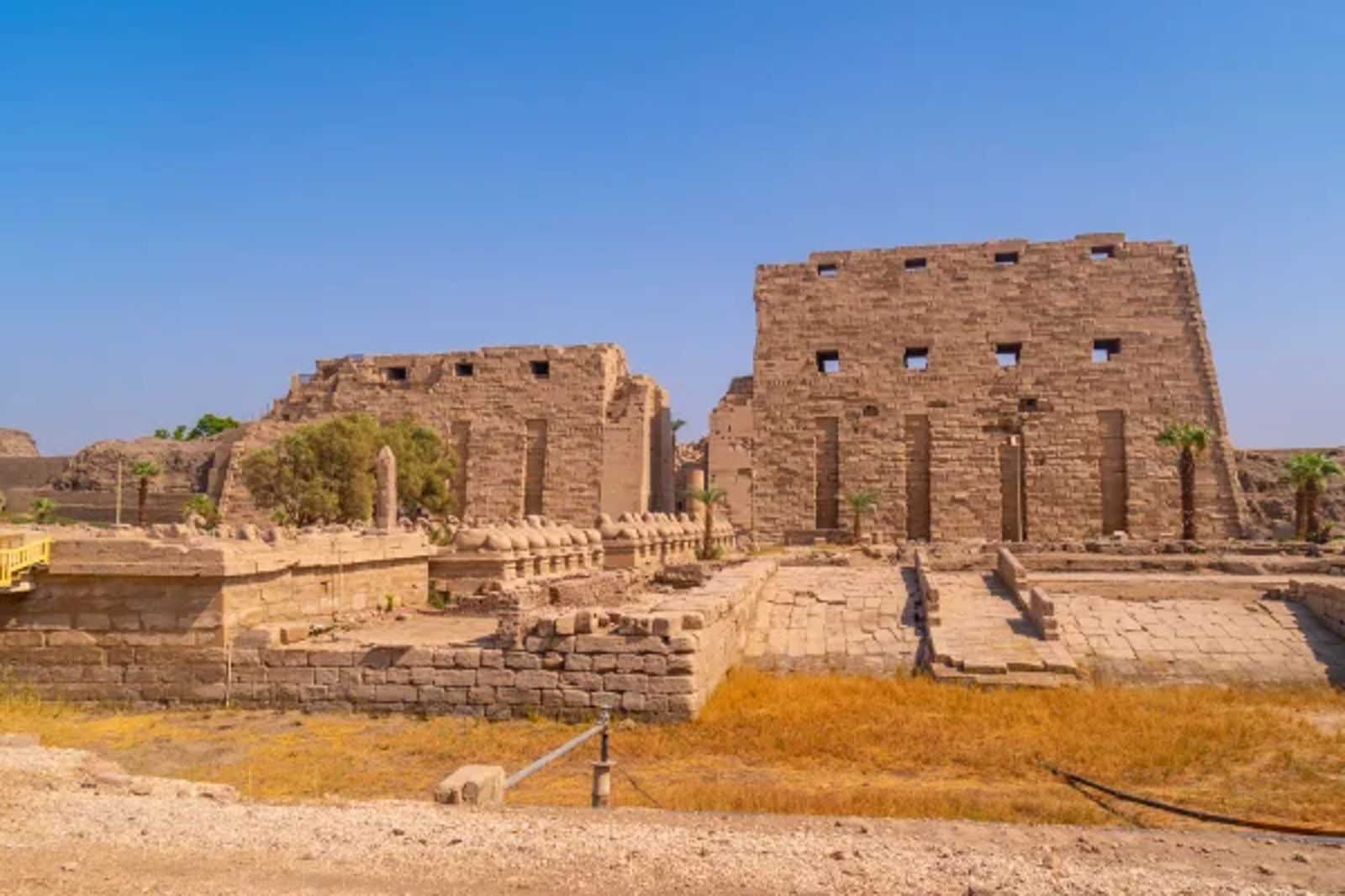
Karnak is a large, active archaeological complex on Luxor’s East Bank. Allocate 90–150 minutes for a standard guided visit and longer for specialist interests (epigraphy, architecture). Plan early-morning entries (site opens at first light year-round) to avoid midday heat during May–September and to secure the best light for photography. Large coach drop-off areas are available but expect queues at the main ticket office during high season (October–April).
Practical points:
- Guides: Use an accredited Egyptologist; they are required for interpretation and to expedite movement through gateways.
- Photography & filming: Small-group and handheld photography is generally permitted, but professional equipment, tripods and commercial filming require permits from the Ministry of Tourism and Antiquities.
- Pairing: Karnak visits are commonly paired with a late-afternoon stop at Luxor Temple or with shore-side operations for clients arriving by river — coordinate with your Nile cruise schedule via our Nile cruise operations team.
How should I structure West Bank visits: Hatshepsut, Valley of the Kings and logistics?
The West Bank presents concentrated archaeology but requires transfers across the Nile and a separate sequence. Transfer time from central Luxor or the quayside is typically 20–30 minutes by vehicle. Group operators should allow additional time for security screening at the Valley of the Kings and for walking between tomb entrances and coach parking.
Recommended sequencing:
- Start at Deir el-Bahari (Hatshepsut) early to avoid harsh light on the cliff face and to reduce time in the valley heat.
- Follow with the Valley of the Kings mid-morning when tomb rotations are in effect and staff are present to manage entries.
- Finish with a shorter stop at a temple with shade or a scheduled lunch at a sheltered location.
Allocate 90–120 minutes for the Valley of the Kings including time for 2–3 tombs; tomb visit durations are brief and guided. High-profile tombs (for example, Tutankhamun, KV62) require an additional ticket and have limited daily entries — pre-booking those extra tickets is essential in peak season.
What ticketing, permit and conservation constraints affect programme design?
Several operational constraints should shape your product and pricing:
- Tomb rotations: To protect wall paintings, some tombs are closed on rotation. Check current openings before confirming itineraries; closures may change with minimal notice.
- Extra-ticket tombs: Certain tombs carry a supplementary fee and daily entry limit; these should be reserved ahead of arrival.
- Filming and drone use: Commercial filming and drone operations require permits from both the Ministry and the Civil Aviation Authority; lead time is typically several weeks.
- After-hours and private access: Private early-morning or after-hours access is possible for high-net-worth clients but requires Ministry approval and additional fees; this is best arranged through bespoke channels.
How do seasonality and client profiles change the approach?
Seasonality dictates comfort and sightline quality. Peak season (October–April) offers milder temperatures and clearer evenings; shoulder months (March, November) can be efficient for trade groups seeking lower rates. Summer months (May–September) present high temperatures and require shorter site schedules, frequent water breaks and shade planning for older or less mobile clients.
Client profile adjustments:
- Family groups: Shorter visits and interactive briefings work best; consider combining with age-appropriate activities from our Classic tours or tailored family options managed through private tailor-made services.
- Specialist groups: Allow additional time for in-depth study, epigraphic access or meetings with conservation teams; permits and site officer coordination take planning.
What accessibility, security and group-size considerations require advance planning?
Most temple complexes are on uneven ground with steps and short staircases; wheelchair access is limited. If you have clients with reduced mobility, identify alternative viewpoints in advance and plan for private vehicle movement near entrances. Security screenings at all major sites are standard; factor extra time for those procedures. For groups larger than 25, split itineraries or staggered site times improve client experience and reduce waiting time.
Work with a DMC that can provide certified Egyptologists, timed-tickets, local security briefing and contingency transport. For trade partners packaging Nile cruises, shore excursions and land-only itineraries, early coordination between cruise schedules and site bookings avoids conflicts and maximises client time on site.
For detailed, site-level operational planning and to align temple visits with river schedules or bespoke access, our operations team can prepare sample dayplans, costings and permit timelines. We regularly design combined products that integrate Luxor temple visits with river and land programmes through our Nile cruise operations, classic tours and private tailor-made services.
If you would like a rates proposal, sample itineraries or a pre-visit operations checklist for a specific group, request our tariff and availability and we will respond with concrete options and permit lead times. Request net rates or contact us to discuss a client programme and reserve tomb entries.