Insight · Luxor
Luxor: Operational briefing for tour operators
Practical operational guidance for tour operators and travel agents preparing Luxor programmes. This briefing covers site logistics, seasonal considerations, permitting and product options to include in Egypt itineraries.
Class A · Ministry of Tourism
#718
#90255546
Cairo · Luxor · Aswan · Red Sea · Alexandria
1988
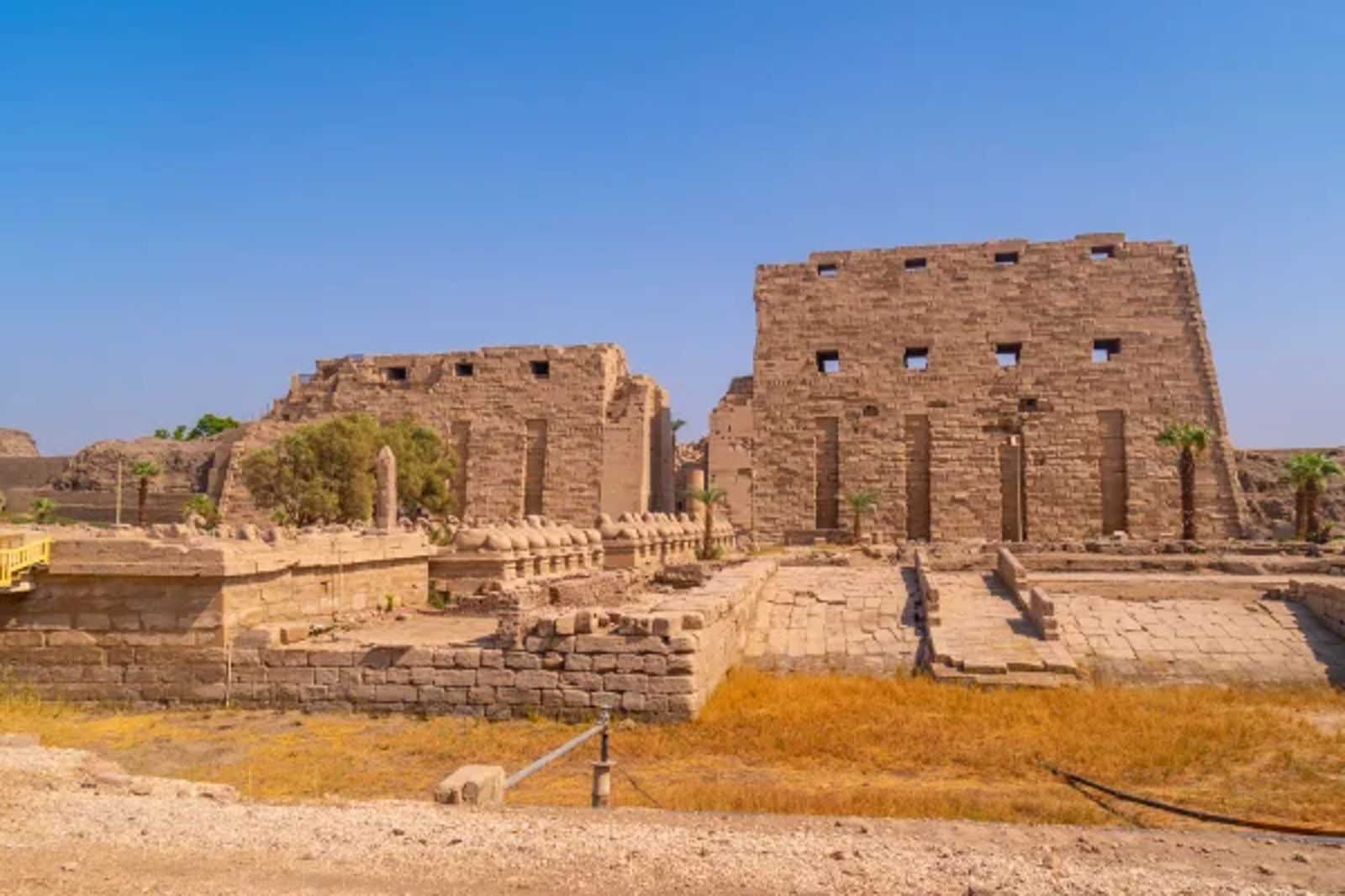
Luxor is Egypt’s principal inland archaeological cluster: concentrated World Heritage sites on the Nile’s east and west banks, a functioning provincial city and a regular port of call for Nile cruises. For trade partners building programmes, Luxor requires precise sequencing, timed bookings and local operational contingency to protect guest experience and margins.
What are the operational zones and why does bank selection matter?
Luxor’s visitor experience is divided between the East Bank (Karnak, Luxor Temple, museums and the Corniche) and the West Bank (Valley of the Kings, Deir el-Bahari, Hatshepsut Temple, Colossi of Memnon, Deir el-Medina). Hotels are clustered on both banks: East Bank properties give immediate access to Karnak and Luxor Temple; West Bank properties reduce coach transfer times for tomb visits but offer fewer five-star options.
For combined river-land products coordinate with your Nile partner early. When a cruise calls in Luxor, work with our Nile cruise operations team to sequence disembarkation, baggage handling and coach allocations to avoid double-handling between ship and hotels.
How should I schedule visits to major sites to minimise crowding and heat exposure?
Seasonality is predictable: October–April remains primary season with highest demand November–March. Summers are hot; late-afternoon and night options are less comfortable for large FITs but can work for high‑value, climate-controlled VIP programmes.
Sequence high-sensitivity visits (Valley of the Kings, Tombs with limited access) for early morning slots. Karnak is best first thing or late afternoon when light is favourable for photography and the site is quieter. Allow at least half a day for East Bank highlights and a full morning for a West Bank cluster including one tomb visit plus Hatshepsut and Deir el-Medina.
What permissions, ticketing constraints and tomb rotations should I plan for?
The Ministry of Tourism and Antiquities manages site access, rotating open tombs and limiting visitor numbers inside vulnerable chambers. Some tombs require advance allocation or a special ticket; photography and tripod rules vary by site. Timed entries may be required during peak season.
For incentive groups or private access requests, consult early: after-hours access, private evenings at Luxor Temple and controlled-entry arrangements for specific tombs are available but require lead time and confirmed permits. Discuss requirements with our product team so permits, Ministry escort fees and local police permissions are integrated into your costing.
What are the practical transport and on-the-ground considerations?
Coach parking and drop-off points differ between sites; the Valley of the Kings has limited space for large coaches and can require shuttle returns. Roads on the West Bank are narrower; consider mini-coaches for groups over 30 passengers to reduce delays. Typical transfer from Luxor International Airport to central hotels is 20–40 minutes depending on bank and traffic.
Site terrain is uneven: stone ramps, steps and compacted sand. Advise clients with reduced mobility about restricted access and provide wheelchair-capable vehicles where possible. Carry water, first-aid kits and a small contingency for heat-related incidents in high-season departures.
How can I package sellable Luxor products for different market segments?
Product differentiation is straightforward and trade-friendly:
- Classic heritage day: East Bank AM, West Bank PM or vice versa — suitable for FITs and coaches. Use licensed Egyptologist guides for tomb interiors and temple narratives.
- Premium/Private: early-morning Valley of the Kings with exclusive tomb allocation, private museum viewings and after-hours Luxor Temple illumination — require advance permits and higher operational margins.
- Short-stay add-ons: single-night or 24-hour stops packaged with domestic flights into Luxor and a shore-side transfer; coordinate closely with cruise arrival/departure times.
For ready-made frameworks and routeable itineraries include our classic tours options in confirmations, or propose bespoke experiences through our private tailor-made team for incentives and high-net-worth clients.
What local content should be included to improve conversion?
Clients respond to clear, operational details: confirmed time windows for tomb visits, coach logistics, comfortable lunch options (East Bank hotel restaurants versus West Bank picnic-setup) and exact meeting points. Include the licensed guide name and contact on vouchers, and a short accessibility note. For groups, confirm guide-to-client ratios and detail any mandatory Ministry escort fees.
Luxor is an operationally dense destination. Careful sequencing, confirmed permits and local contingency planning convert historical value into reliable product delivery. For programme design support, bespoke pricing and permit handling, request a commercial proposal and rate sheet via our Request net rates form — our team will align permits, guide assignments and coach logistics to your incoming pax profile.