
Aswan: Temples, Nubian communities and logistics
This briefing summarises the operational and product considerations travel buyers need when adding Aswan to Egypt programmes, covering monuments, community visits, transport and seasonality.
- Licence
- ETAA licence 718 · Category A
- IATA
- #90255546
- Operating
- Cairo · Luxor · Aswan · Red Sea · Alexandria
- Est.
- 1988
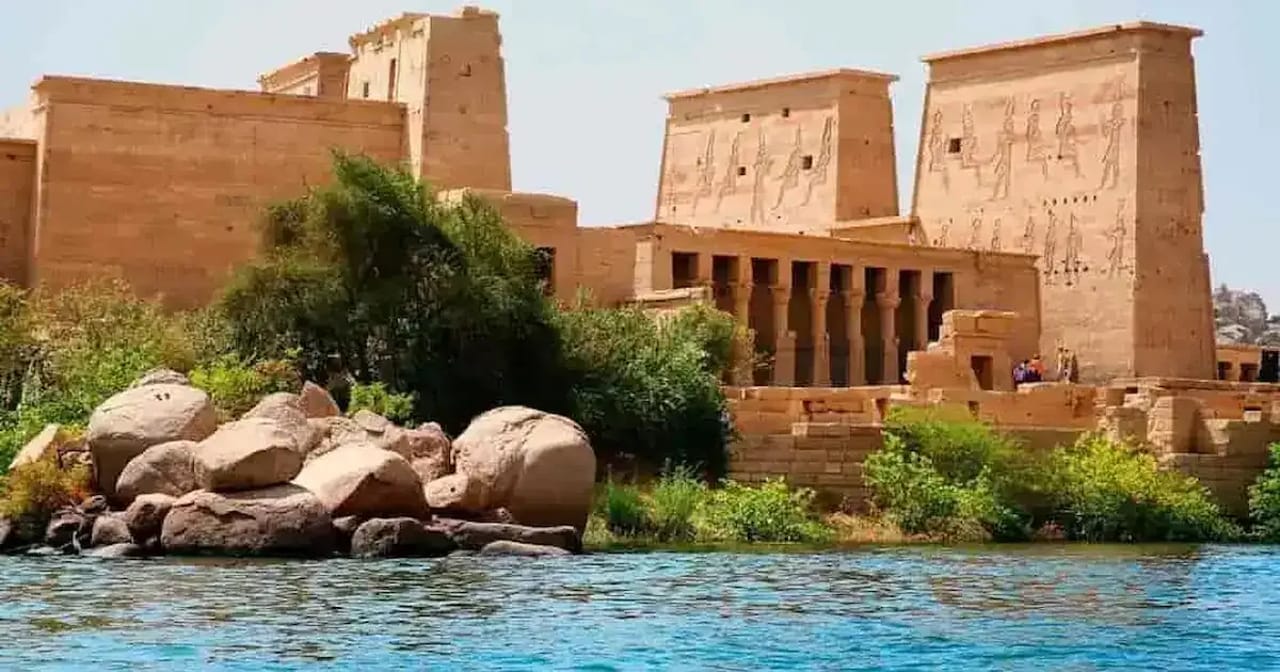
Aswan is both an archaeological node and a living cultural landscape: Philae (on Agilkia Island), the Unfinished Obelisk and the quarries, Elephantine Island and the Nubian Museum form a compact product set that pairs easily with day trips to Abu Simbel. For trade partners, the value is operational clarity — clear transfer windows, timed-site visits, and pre-arranged community engagement that meets responsible-tourism expectations.
What are the recommended programme lengths and sequencing for Aswan?
Typical trade-friendly options are:
- Short stop (day): arrival by morning flight or overnight train, half-day Aswan city (Unfinished Obelisk, Nubian Museum) and felucca trip; depart same evening or next morning.
- Standard stay (1–2 nights): full-day Abu Simbel excursion (road or scheduled flight), Philae, Elephantine Island and a Nubian village visit. This is the most common hotel + excursion mix.
- Extended stay (3+ nights): add archaeological surveys, private collection visits, or overlay a north–south segment on a longer Nile cruise operations itinerary, with Aswan as embarkation or disembarkation point.
For coach-based programmes factor in coach-parking constraints in Aswan city centre and the timing constraints for Abu Simbel transfers (see below).
How should transfers and timing be planned between Aswan and Abu Simbel?
Abu Simbel is approximately 280 km south of Aswan. Road transfers commonly take 3–4 hours one-way depending on stops and convoy speed; scheduled and charter flights operate seasonally. For operational resilience:
- Offer both road and flight options to clients; road transfers remain the most flexible and cost-efficient, flights reduce transfer time but add scheduling complexity.
- Book early-morning departures for Abu Simbel to avoid mid-day heat and to fit site timings; allow 3–4 hours on-site when including both temples and the visitor centre.
- Use a vetted partner for coach and air logistics — integrate with your ground logistics supplier for fixed windows and local permits: see our recommendations for transfers between Aswan and Abu Simbel.
What client service and site-access issues should agents anticipate in Aswan?
Key operational points:
- Site capacity and ticketing: Philae and Abu Simbel have controlled visitor flows; book tickets and licensed guides in advance during high season (October–April), and secure set times for larger groups.
- Local guides: Egyptian law requires licensed guides for archaeological sites. Confirm guide assignments and language capability at contracting stage.
- Coach access and drop-off: Aswan’s Corniche and pier areas have limited coach bays; coordinate transfers to avoid long walking transfers for clients with mobility needs.
- Health and comfort: summer temperatures (June–August) regularly exceed 40°C; schedule strenuous walking in cooler hours and advise clients on hydration and sun protection.
How do Nile cruise operations integrate with Aswan itineraries?
Aswan is a principal port for southbound and northbound cruises. Embarkation/disembarkation logistics include luggage handling at the Aswan Corniche, customs for international guests, and berth planning for peak cruise weeks. Work directly with your cruise operations provider to coordinate shore-side excursions and timing; our Nile cruise operations team manages port windows, tendering and shore excursions to align with ship schedules.
How to design responsible Nubian community visits and experiential offers?
Nubian community visits should be contractually framed, pre-agreed and small-group where possible. Practical guidance:
- Pre-book hosts and clearly state the experience scope (music, craft demonstrations, home-cooked meals, or homestays). Avoid ad-hoc village approaches.
- Negotiate terms for photography and vendor interactions; obtain consent from hosts and clarify any community fees.
- Use local community representatives or licensed guides who speak the local dialects; include a small community contribution in the client price to ensure direct benefit.
- Consider responsible-tourism add-ons such as school or workshop visits, framed as optional paid experiences for guests rather than spontaneous tipping.
What are the seasonality and product risks agents should price for?
Peak season runs October–April, when temperatures are moderate and demand is highest. Winter holidays (late December–January) drive price spikes and hotel pressure. Low season (May–September) reduces rates but increases heat risk and occasional road-safety considerations for long transfers; plan for later starts and extra water/medical briefing. Political events or convoy restrictions can affect border and southern routes — maintain flexible cancellation and amendment conditions.
How can agents add value for high-yield or specialist clients?
Options that lift yield:
- Private after-hours access or specialist-lecture programs at the Nubian Museum coordinated with museum curators.
- Private felucca charters at sunset, combined with a bespoke Nubian-hosted dinner on Elephantine Island, or private archaeological briefings in Aswan’s quarries.
- Hybrid products pairing Aswan with boutique hotels, or private transfers and charter flights to Abu Simbel for time-sensitive VIP programmes.
For practical escorted day-tour options, supplier vetting and fixed-cost scenario planning for groups, see our sample excursions and community visits packages and adapt them to your booking patterns.
If you would like rate cards, sample itineraries or a site-visit briefing packet for Aswan, request a tailored quote or contact our team: Request net rates.