Egypt's Mediterranean Coast: Sites, Logistics and Product Ideas
Practical briefing for trade partners on Egypt’s Mediterranean coast. Concise overview of principal sites (Alexandria, El Alamein, Marsa Matrouh), seasonality, transit and product concepts for programmes.
- Licence
- ETAA licence 718 · Category A
- IATA
- #90255546
- Operating
- Cairo · Luxor · Aswan · Red Sea · Alexandria
- Est.
- 1988
The northern shore of Egypt is a distinct product line for operators: a temperate Mediterranean climate, a layered Greco-Roman and Islamic urban fabric in Alexandria, 20th-century military heritage at El Alamein, and westward beaches at Marsa Matrouh. This briefing gives trade partners the operational facts, timed-feasibility, product ideas and local constraints to convert interest into sellable programmes.
What sites should I prioritise for a 1–3 day Alexandria module?
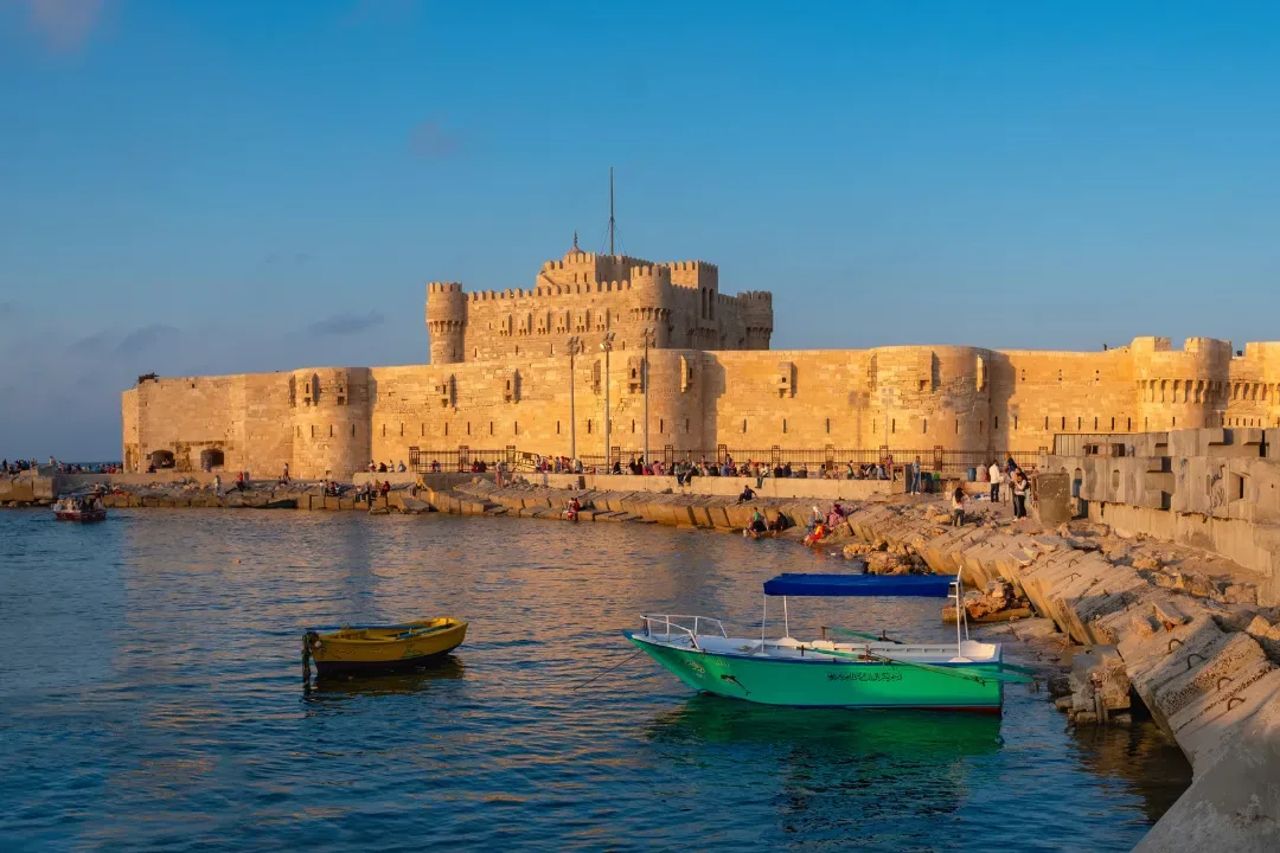
For a compact visit prioritise: the Bibliotheca Alexandrina (modern visitor facilities, specialised libraries and temporary exhibitions), Qaitbay Citadel at the harbour mouth, the Graeco-Roman Museum and Pompey’s Pillar for Greco-Roman context, and the Kom el Shoqafa catacombs. An effective half-day city tour combines the Bibliotheca, Qaitbay and a drive along Corniche with a short stop at Pompey’s Pillar. A full day allows time for the museum and a port-side seafood lunch; archaeological diving or a specialised site visit (Abou Qir Bay) requires advance permits and a specialist operator.
How do I structure day excursions to El Alamein and Rosetta (Rashid)?
El Alamein is 100–120 km west of Alexandria and is typically sold as a half- or full-day extension. Key stops: Commonwealth War Cemetery and Memorial, German and Italian cemeteries, and the El Alamein Military Museum. Rosetta (Rashid) lies in the western Nile delta and works well as a cultural stop en route between Cairo and Alexandria or as part of a delta-themed day. For both sites factor in vehicle time and guide briefings; El Alamein can be sensitive for groups given the wartime context, so brief clients accordingly.
What are realistic timings and road logistics between Cairo, Alexandria and Marsa Matrouh?
Cairo to Alexandria: 200–230 km by road, approximately 2.5–3 hours depending on departure point and traffic. Alexandria to El Alamein: 1–1.5 hours. Alexandria to Marsa Matrouh: 300–350 km, typically 4–5 hours; Cairo to Marsa Matrouh is 6–7 hours. For scheduled arrivals/departures and land-only products plan arrival buffers and, where possible, consider morning departures out of Cairo to avoid peak traffic. For groups and higher-end clients, arrange private transfers and consider overnight in Alexandria rather than day returns to Cairo.
When is the best season to operate Mediterranean-coast programmes?
The coast has a Mediterranean pattern: mild, wet winter (Nov–Mar) and hot, dry summer (Jun–Aug) with peak domestic demand in July–Aug. For international FITs and guided groups the shoulder seasons (April–June, September–October) offer the most comfortable temperatures and more reliable site access. If you intend to include beach stays at Marsa Matrouh, calendar for local national holidays (summer weeks) which drive domestic occupancy and rate inflation.
What product ideas convert well for trade clients?
- Short cultural loops (Cairo – Alexandria 1–2 nights): library, citadel, Graeco-Roman museum; combine with Nile or Cairo extensions for a mixed cultural itinerary.
- History and remembrance packages: El Alamein commemorative tours with curated briefings, veterans’ interest groups and cemetery visits; pair with archival talks in Alexandria.
- MICE and incentives: Alexandria’s seafront hotels and exhibition facilities suit medium-sized incentive groups; port-side receptions and private cocktail cruises can be arranged with local suppliers — Discovery Tours can outline capacity and logistics for your RFP. Consider climate and sound permits when planning evening events.
- Active and niche product: coastal cycling routes around Alexandria, snorkel/diving briefings for underwater archaeology around Abou Qir and planned archaeological dive operations (permits required).
- Beach stays in Marsa Matrouh for combination beach-and-culture packages; target 2–3 nights to justify road time.
What operational constraints and site permissions do I need to plan for?
Heritage and underwater archaeology are regulated. Land-site entrances follow Ministry of Tourism & Antiquities rules; underwater work and archaeological dives require SCA approvals and accredited diving operators. For group events in public or protected areas you may need municipal or port permits. Discovery Tours Egypt handles negotiated site access and can coordinate with local authorities; for transfers and intercity coach logistics we recommend pre-confirmation of parking and assembly points to avoid delays — we provide structured group transfers and intercity logistics for trade clients.
Which local suppliers should I book through for accommodation and on-ground services?
Alexandria offers a range from upper-upscale seafront properties to well-located boutique hotels; Marsa Matrouh has seasonal resort inventory that needs contracted allotments during summer. For assured quality and contract rates use a DMC partner to consolidate inventory. We work directly with a curated hotel portfolio and can place fixed allotments where required — see our list of regional hotel options. For incentives and corporate groups discuss hybrid MICE elements upfront; our MICE capabilities include AV, F&B sourcing, and on-site coordination for up to mid-size conferences.
Programming the Mediterranean coast into Egypt itineraries requires balancing drive times, seasonality and permitting. For operators, the region provides differentiated product that broadens beyond the Nile/Cairo axis while remaining operationally straightforward when planned with local expertise.
Please request tailored costing or an operational proposal for specific dates and group sizes via Request net rates or contact our team for a consultation on routeing, permits and supplier guarantees.