Valley of the Kings and Karnak: New Kingdom operational briefing
This briefing outlines operational, interpretive and logistic considerations for programming the New Kingdom ensemble at Luxor — principally the Valley of the Kings and Karnak Temple. It is written for trade partners planning shore calls, land programmes and specialist interest groups.
- Licence
- ETAA licence 718 · Category A
- IATA
- #90255546
- Operating
- Cairo · Luxor · Aswan · Red Sea · Alexandria
- Est.
- 1988
What are the core site-management and ticketing realities we must plan for?
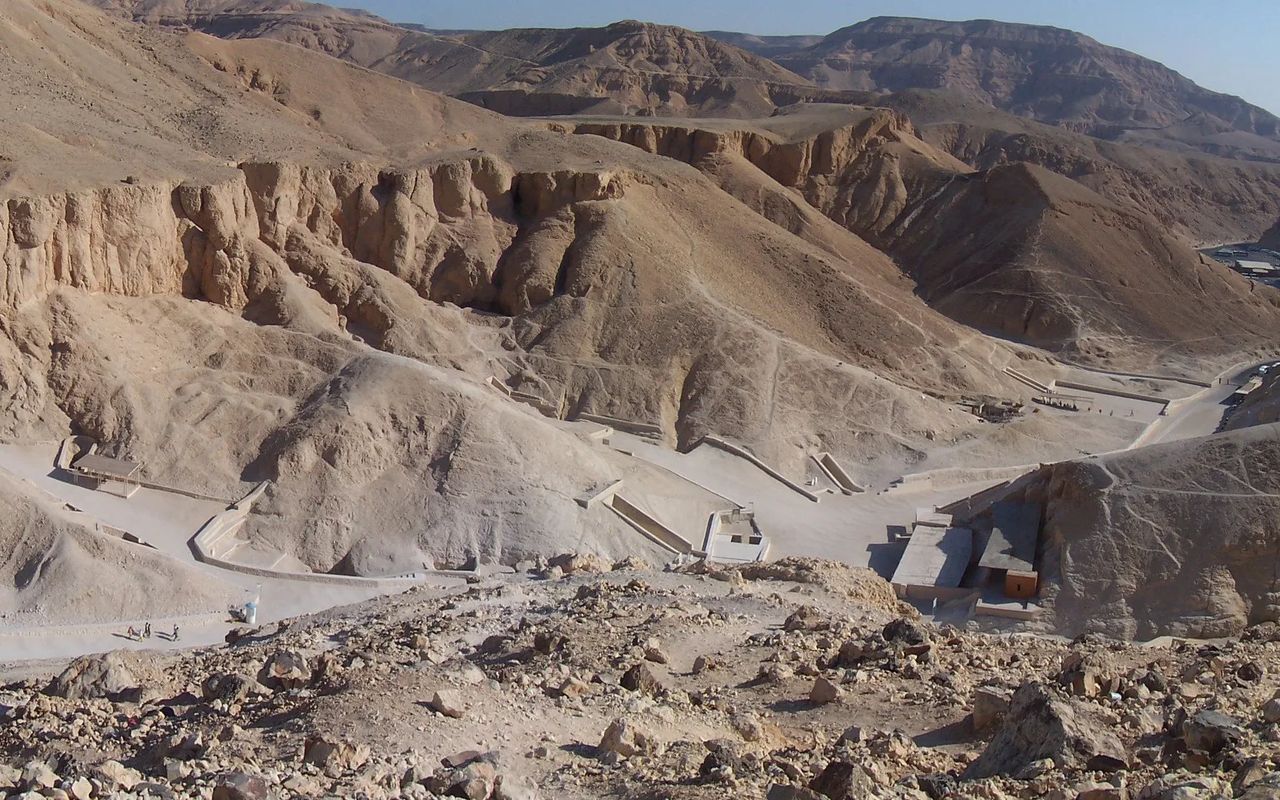
Both the Valley of the Kings (west bank, Luxor) and Karnak Temple (east bank, northern Luxor) operate under Ministry of Tourism and Antiquities regulations with site-specific ticketing and visitor controls. Expect a general archaeological-site ticket for West Bank access and separate special-entry tickets for high-demand tombs (for example the Tutankhamun tomb has required special entry). Tomb availability changes frequently — conservation works, rotation of open tombs and temporary closures are common — so confirm availability 7–14 days before arrival.
Licensed Egyptologist guides are required at all archaeological sites. For filming, photography beyond casual stills, or commercial activities you will need ministerial permits; lead time for permits varies by production scale and the ministry’s schedule.
How should visits be timed and sequenced for operational efficiency?
Seasonality and daily rhythms matter. Peak season runs October–April when temperatures and visibility are favourable; high summer (May–September) brings extreme heat and reduced on-site client comfort. For most programmes send groups to the Valley of the Kings in the early morning (first entries) to avoid heat and cruise-disembark peaks, and reserve Karnak for late morning or late afternoon when light is favourable for photography in the Hypostyle Hall and Avenue of the Sphinxes.
For Nile cruise shore calls coordinate closely with the vessel’s arrival window. Our Nile cruise operations team can align tendering/transport and shore times with site entry slots to minimise waiting at checkpoints. For land-based itineraries combine the Valley with Deir el-Bahari (Hatshepsut) and then return to East Bank for Karnak and Luxor Temple to reduce cross-river transfers.
What are the client-care, accessibility and safety considerations?
Tombs are low-lit, have uneven carved steps and narrow corridors; not all tombs are suitable for clients with limited mobility. Inform clients in advance (health and mobility statements) and plan alternative visits (e.g., the Tombs of the Nobles or the Luxor Museum) if needed. Provide water, sun protection and shaded transport between sites — especially in summer.
Photography rules are enforced in parts of Luxor; no-flash policies and occasional bans on tripods apply. There are strict conservation protocols: large groups must be managed to protect wall paintings and to comply with site staff instructions. We recommend limiting group size per guide at key points (for example inside specific tombs) and using timed rotations to reduce congestion.
Which operational risks and contingencies should I prepare for?
Common operational disruptions include last-minute tomb closures for conservation, sudden changes to ministerial opening hours during official events, and bus-parking limits on the West Bank. Always schedule flex time into the day and identify contingency visits (Medinet Habu, Ramesseum, or local workshops) that can be substituted quickly. Carry printed and digital copies of client lists, passports and guide licences; site guards commonly request documentation during inspections.
What product enhancements add commercial value for trade clients?
Private after-hours access or pre-opening guided entries (subject to ministry approval) create distinct product differentiation for premium clients. Specialist-led thematic tours — epigraphy, New Kingdom military campaigns, or funerary ritual focused — are well received by specialist groups and academia. Combine site visits with contextual settings: a museum hour at the Luxor Museum, or curated experiences at a West Bank boutique hotel.
When assembling sample itineraries consider integrated services: shore transfers and micro-logistics handled by our day excursions unit, or concurrent hotel allocations on both banks coordinated through our hotel allocations team. These integrations reduce transfer times and client friction, and improve on-site punctuality.
How should pricing reflect site constraints and value-adds?
Price lines should separate core admission and guiding from premium add-ons: special-entry tomb tickets, private Egyptologist fees, ministerial permits for filming, and after-hours access. Budget extra for on-site conservation levies and possible rapid permit fees for late changes.
How can Discovery Tours support delivery on these sites?
As a Class A licensed Egypt DMC since 1988, Discovery Tours provides coordinated ground operations, licensed Egyptologists, permit handling and contingency routing for Luxor programmes. We manage detailed pre-trip confirmations, day-of-site liaison and post-visit reporting so your ground staff and clients experience reliable operation across both banks.
What are the key site-specific operational notes for Karnak?
Karnak is a large, active archaeological complex on Luxor’s East Bank. Allocate 90–150 minutes for a standard guided visit and longer for specialist interests (epigraphy, architecture). Plan early-morning entries (site opens at first light year-round) to avoid midday heat during May–September and to secure the best light for photography. Large coach drop-off areas are available but expect queues at the main ticket office during high season (October–April).
Practical points:
- Guides: Use an accredited Egyptologist; they are required for interpretation and to expedite movement through gateways.
- Photography & filming: Small-group and handheld photography is generally permitted, but professional equipment, tripods and commercial filming require permits from the Ministry of Tourism and Antiquities.
- Pairing: Karnak visits are commonly paired with a late-afternoon stop at Luxor Temple or with shore-side operations for clients arriving by river — coordinate with your Nile cruise schedule via our Nile cruise operations team.
Operational checklist for tour operators
- Confirm tomb availability and special-ticket inventory 7–14 days before arrival.
- Secure a licensed Egyptologist and verify guide permits on arrival.
- Build transfer buffers for cruise disembarkation and coach traffic.
- Prepare client advisory on photography and mobility limitations.
- Plan alternative stops (Deir el-Medina, Mortuary Temple of Ramesses III) in case of last-minute closures.
For the Luxor destination profile (east and west bank layout, distances and what we operate there) see the Luxor DMC destination page.
For sample itineraries, timed-entry options and production-permit assistance, request a detailed quote and operational plan tailored to your group size and market segment — Request net rates and we will respond with a full operational proposal and availability checks.