
Ancient Monuments of Egypt: Trade Briefing
Operational briefing for tour operators and travel buyers on Egypt’s principal ancient monuments. This note outlines access rules, seasonality, logistics and conservation constraints to shape client programmes. See the complete archaeological sites guide for the wider picture.
- Licence
- ETAA licence 718 · Category A
- IATA
- #90255546
- Operating
- Cairo · Luxor · Aswan · Red Sea · Alexandria
- Est.
- 1988
This briefing focuses on practical decisions that determine whether your clients have a seamless, compliant visit to Egypt’s major ancient monuments. It groups site-specific operational requirements, timing and ticketing considerations, and options for upgraded access that improve the guest experience without compromising conservation or approvals.
What are the primary operational constraints at Giza and the Grand Egyptian Museum (GEM)?
Giza is managed under strict time-slot and vehicle controls to reduce congestion. For programmes you should factor in: parking and coach marshalling areas, chauffeur rest regulations for longer transfers, and the proximity of the Grand Egyptian Museum as a pre- or post-site anchor. Private access to the plateau outside public hours is possible for groups with advance government approval and local police coordination; interior access to the Great Pyramid is limited by daily quotas.
Work with your DMC to secure licensed Egyptologists and local guide permits—non-licensed guides are not permitted inside several attractions. When scheduling, allow 60–120 minutes for Giza (30–45 minutes is typical for photography stops; more time is required for interior visits or museum walkthroughs).
How should I structure visits in Luxor (Karnak, Luxor Temple) and the West Bank (Valley of the Kings)?
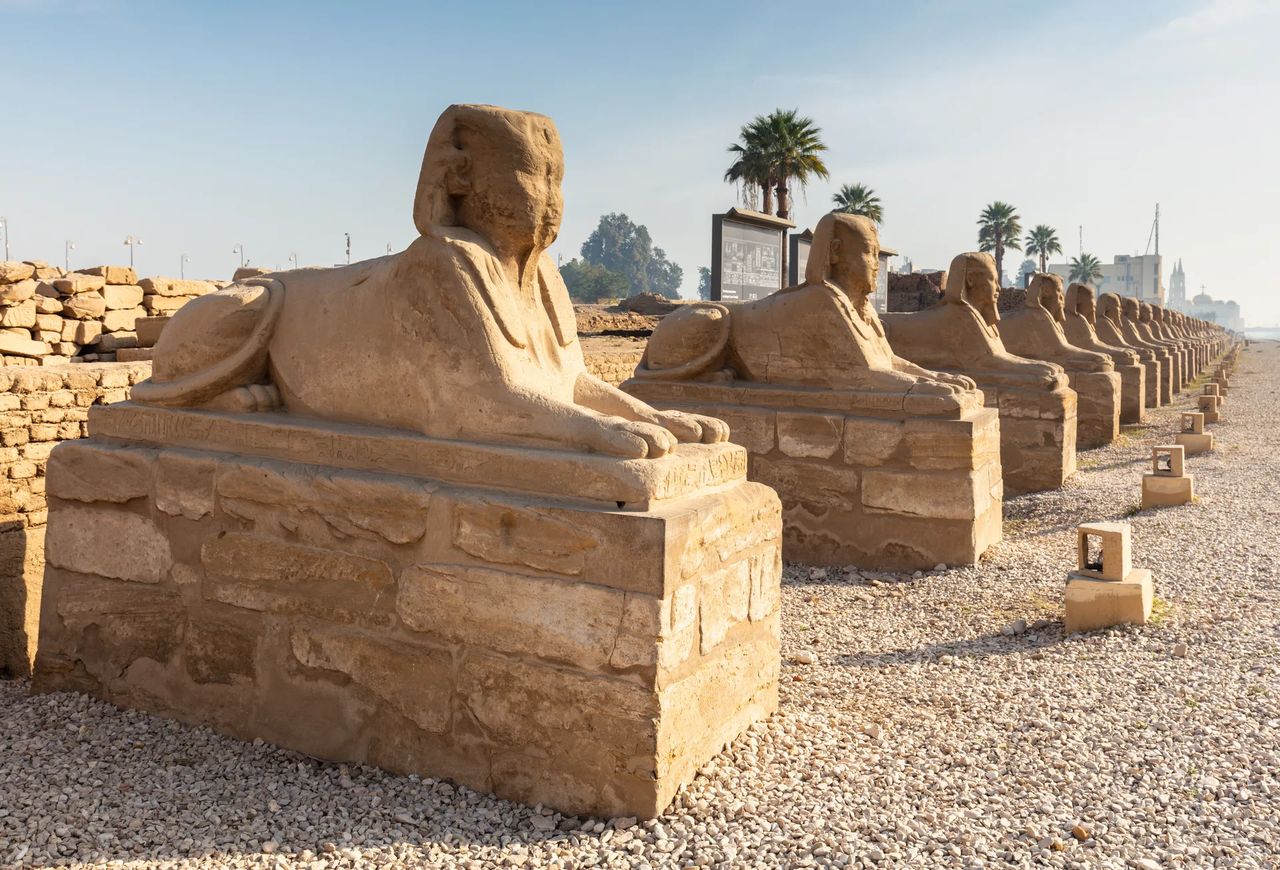
Luxor’s monuments require a multi-site approach. Karnak and Luxor Temples are large, walkable complexes that suit morning or late-afternoon slots; consider evening options cautiously due to staff rotations and lighting infrastructure. The Valley of the Kings operates timed entry to individual tombs and has extra-fee access for the Tutankhamun burial chamber and other special tombs. Reserve tomb-specific tickets well in advance for groups greater than 10.
Logistics: group size limits inside tombs are strict; rotate clients between the tombs and complementary visits (e.g., Deir el-Medina or the Ramesseum) to avoid bottlenecks. For programmes combining land and river segments, coordinate with your cruise supplier: integrate shore excursions with the vessel’s arrival/departure windows to avoid missed sailings. Our Nile cruise operations team routinely synchronises temple access with embark/disembark plans.
What are the key requirements for Abu Simbel and southern sites?
Abu Simbel is a full-day commitment from Aswan (or a dedicated flight option). Sunrise visits draw demand for photographic light but require very early boarding and security clearance at the site. The 1960s relocation project is an interpretive point for clients; ensure guides are briefed on the relocation narrative and current conservation messaging. For Lake Nasser itineraries, factor in limited resupply points and crew shore-time when designing stays.
How do conservation rules and ministry approvals affect access and photography?
The Ministry of Tourism and Antiquities applies conservation-led restrictions: temporary closures for restoration, limits on indoor numbers, and restrictions on tripods, drones and professional photography in some areas. Special permits are required for archaeological-site filming, academic access, or commercial shoots; turnaround times vary and can exceed two weeks. For higher-tier client experiences, book private-access slots or after-hours permissions well in advance, and budget permit fees into the per-person cost.
How should seasonality and climate shape programme design?
Peak months for comfortable touring are March–May and September–November. Summer (June–August) has high temperatures and higher risk of dust/sand events; schedule outdoor monuments early morning or late afternoon and move indoor museum visits to midday. Winter (December–February) is milder but busier around holiday dates; secure confirmed park slots early for December departures.
What are practical on-the-ground considerations for transport, security and guide operations?
Allow realistic transfer times: Cairo airport to Giza plateau can be 60–120 minutes depending on traffic. For inter-site transfers (Aswan–Abu Simbel, Luxor–Dendera), road quality and police escort availability affect scheduling and safety margins. Use licensed drivers and vehicles with appropriate air conditioning capacity; night drives where possible should include driver rest and local police notification. For intra-city logistics, plan for coach marshalling and brief drivers on municipal parking rules to avoid fines or delays.
Our ground transfers and crew logistics unit can provide vetted vehicle fleets, route planning and police liaison for escorted transfers.
How can I increase value for clients without risking site access or conservation?
Options that consistently add commercial value while remaining operationally simple include: licensed Egyptologist-led interpretive walks, staged photography windows (pre-booked private slots), curated museum briefings at the GEM or Egyptian Museum, and small-group private tomb access where permitted. Integrate complementary cultural visits—Coptic Cairo, Islamic Cairo or the Temple of Hathor at Dendera—on alternate days to reduce pressure on prime monuments.
For bespoke or small-group programmes consider our tailor-made land programmes to combine private access, vetted local specialists and logistics buffers designed for FITs, small groups and MICE delegations.
To discuss slot availability, permit timelines and costings for a specific departure or group, request current lead times and rates so we can align approvals with your booking windows. Contact us to secure allocations and confirm operational details for your next Egypt programme.
Request net rates or contact our operations team to confirm availability and secure permits for your clients.