Egypt's National Parks and Conservation Areas
This briefing outlines operational considerations for integrating Egypt's national parks and conservation areas into trade programmes. It focuses on seasons, permits, logistics and partner services your agency will need.
- Licence
- ETAA licence 718 · Category A
- IATA
- #90255546
- Operating
- Cairo · Luxor · Aswan · Red Sea · Alexandria
- Est.
- 1988
What sites should I prioritise for nature-led programmes in Egypt?
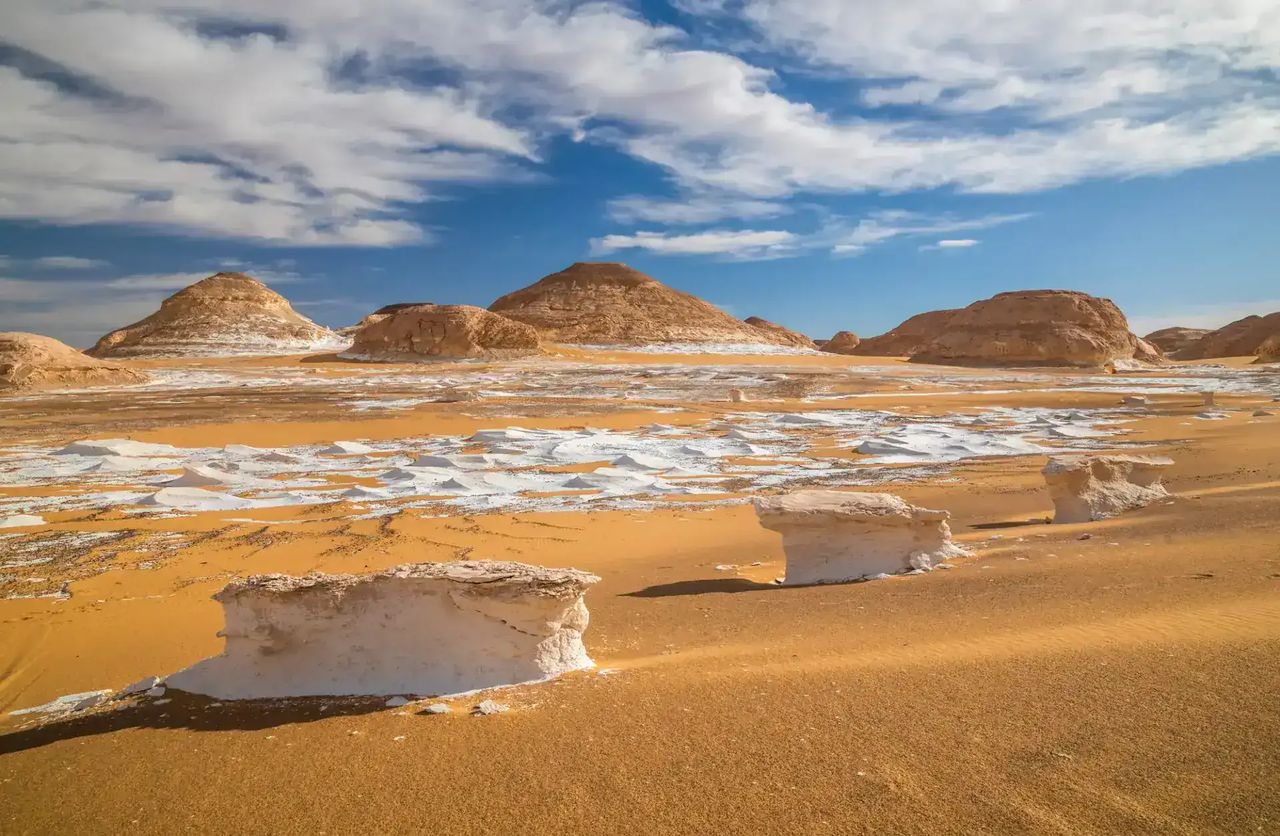
Prioritise protected areas that are accessible and offer complementary experiences. Key sites for trade programmes include Ras Mohammed and Nabq (Sinai) for marine biodiversity and day-boat snorkel/dives; Wadi El Rayan and Wadi Al-Hitan (Valley of the Whales) in the Fayoum region for desert-lake landscapes and palaeontology; the White Desert for geological formations and overnight camping; and Gebel Elba and St Katherine Protectorate for mountain and endemic flora. Each site supports distinct product types—short excursions, multi-day overland safaris, or specialist dive programmes.
When is the best time to schedule visits to different parks?
Seasonality varies by environment:
- Red Sea parks (Ras Mohammed, Nabq): optimal March–November for calm seas and visibility; winter months (Dec–Feb) are cooler but still workable for diving.
- Fayoum sites (Wadi El-Rayan, Wadi Al-Hitan): autumn to spring (Oct–Apr) avoids summer heat and is better for birding and desert activities.
- White Desert and Western Desert circuits: November–March for daytime temperatures and comfortable nights for camping.
- Gebel Elba and southern coastal zones: October–April to avoid summer heat and humidity.
Plan transfer buffers during shoulder seasons: domestic flight schedules and ferry crossings may be reduced outside peak months.
What permits, fees and regulatory requirements should I expect?
Entry and operational requirements are managed by the Egyptian Environmental Affairs Agency (EEAA) and local park administrations. Typical considerations:
- Park entry fees and per-person conservation levies (varies by site and nationality).
- Advance permits for group visits, overnight camping, and scientific or filming activities; some parks require ranger accompaniment.
- Diving and snorkel operations in marine protected areas normally require coordination with park authorities and licensed dive operators; wreck sites such as the Yolanda Reef at Ras Mohammed have specific dive guidelines.
- Vehicle permits for 4x4 expeditions and restrictions on off-road driving in desert and mountain parks.
Arrange permits at least 4–6 weeks ahead for groups and up to 12 weeks for specialised filming or research projects. Your local DMC partner can submit applications on your behalf and advise on up-to-date fee schedules.
How should I organise logistics and transfers between parks?
Logistics determine feasibility and pricing. Typical approaches:
- Base marine programmes in Sharm El Sheikh or Hurghada; Ras Mohammed and Nabq are day-boat or short transfer options from Sharm. Use specialist boat operators and ensure compliance with marine park rules; we coordinate such arrangements through structured Red Sea operations.
- Fayoum sites are 90–150 minutes from Cairo by road; schedule early starts to avoid summer heat and include reliable water and vehicle spares for remote drives.
- White Desert circuits require experienced 4x4 teams and overnight camp infrastructure (overnight camping is subject to permit)—factor in additional fuel, driver rest cycles and ranger escorts.
- For point-to-point moves, integrate commercial flights with ground transfers or consider private charters for tight itineraries; detailed movement planning is available through our park excursions and transfer teams.
How do I manage guide qualifications, safety and client expectations?
Field guides and instructors must hold appropriate local and international certifications (PADI or equivalent for dive leaders; certified naturalist guides for wildlife and fossil sites). Operational standards to enforce:
- Emergency action plans and medevac options for remote areas; coordinate with regional hospitals and airlift providers.
- Group size limits and client briefings on behaviour in protected zones (no collecting, no off-trail driving, noise control).
- Safety equipment—satellite comms for remote circuits, stocked first-aid kits, and sufficient drinking water.
How can I integrate sustainability and community engagement into programmes?
Sustainability considerations increase product value and reduce risk. Practical measures:
- Choose certified suppliers and lodges with waste management, water-saving measures and minimal landscape impact; our sustainability services can advise on local partners and impact mitigation.
- Include community-based visits—Bedouin-led experiences, local conservation NGOs, or village meals—structured to provide clear community benefit and respectful interpretation.
- Offer low-impact activities: guided walks, birding with limits on group size, and regulated diving with reef-safe practices.
What cost components should I build into rates?
Budget for park entry fees, ranger or guide fees, permit administration, specialist vehicle hire and additional insurance for remote operations. For marine programmes add boat fuel, dive equipment and marine park fees. Transparently separating these line items helps agents explain premium pricing to clients and keeps margins consistent across markets.
For agents preparing proposals, we recommend combining a core protected-area experience with complementary cultural or leisure elements (e.g., Cairo museums or a coastal resort stay) to broaden market appeal while retaining operational efficiency. Our teams can design modular options that slot into standard itineraries.
If you would like rates, sample itineraries or partner availability for any of these parks, request a tailored quote and operational plan via our Request net rates page. We will provide permit lead times, vehicle and guide costs, and suggested supplier options for your programme.